English
 Arabic
 French
 Spanish
 Portuguese
 Deutsch
 Turkish
 Dutch
Dutch
 Italiano
 Russian
 Romaian
 Portuguese (Brazil)
 Greek
Greek
Trending on BookTok Murder at the Hotel Orient by Alessandra Ranelli
Sports |
2026-06-19 07:12:59
 Advertise With Us
 About Us
 Terms And Conditions
 Datenschutzbestimmungen
Alle anzeigen
Datenschutzbestimmungen
Alle anzeigen

Upgrade auf Pro
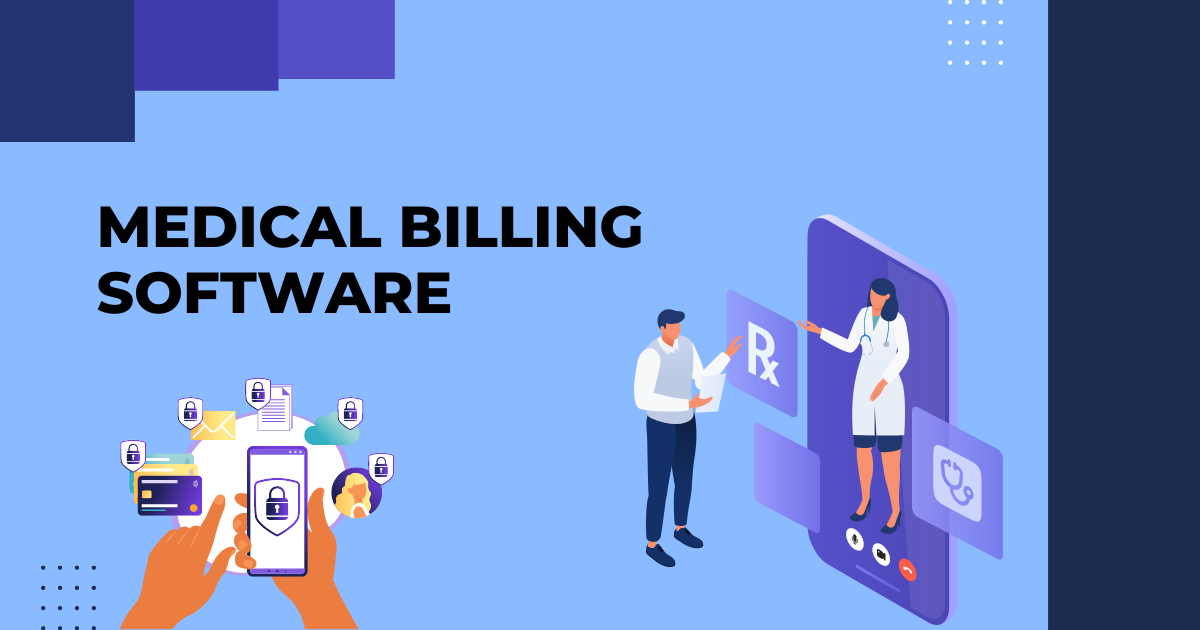
In today’s digital healthcare environment, efficiency and accuracy are more important than ever. Medical billing, once handled manually, has evolved into a complex process involving multiple stakeholders, detailed documentation, and strict compliance requirements. At the same time, Electronic Health Records (EHR) systems have become a standard for managing patient data and clinical workflows.
The integration of medical billing software with EHR systems is transforming how healthcare providers manage their operations. By connecting clinical and financial data, this integration eliminates redundancies, reduces errors, and enhances overall efficiency. Understanding how EHR integration improves medical billing can help providers optimize their revenue cycle and deliver better patient care.
EHR integration in medical billing refers to the seamless connection between patient health records and billing systems. This allows clinical data such as diagnoses, procedures, and treatment plans to automatically flow into the billing process without the need for manual entry.
This integration ensures that all services provided to a patient are accurately documented and billed. It also reduces the chances of missing or incorrect information, which can lead to claim denials or delays. By creating a unified system, healthcare providers can streamline both clinical and financial operations.
One of the biggest advantages of EHR integration is the elimination of manual data entry. In traditional systems, staff had to input patient information separately into clinical and billing systems, increasing the risk of errors and duplication.
With integration, data is entered once and automatically shared across systems. This not only saves time but also ensures consistency and accuracy. As a result, healthcare providers can reduce administrative workload and focus more on patient care.
Accurate medical coding is essential for successful billing and reimbursement. EHR-integrated systems provide detailed clinical data that helps ensure correct coding for diagnoses and procedures.
This reduces the likelihood of coding errors, which are a common cause of claim rejections. By improving coding accuracy, healthcare providers can increase their claim approval rates and maintain a steady revenue flow.
Integration between EHR and billing software accelerates the claims process. Since all necessary information is readily available, claims can be generated and submitted quickly without delays.
Faster claims processing leads to quicker reimbursements, improving cash flow for healthcare providers. It also reduces the time spent on follow-ups and resubmissions, making the entire billing cycle more efficient.
EHR integration plays a crucial role in optimizing revenue cycle management (RCM). By providing real-time access to clinical and financial data, it enables providers to monitor every stage of the billing process.
This visibility helps identify bottlenecks, track outstanding payments, and improve overall financial performance. With better insights, healthcare organizations can make informed decisions and enhance their revenue cycle efficiency.
Claim denials can significantly impact a healthcare provider’s revenue. Many denials occur due to incomplete or incorrect information, often caused by disconnected systems.
EHR integration minimizes these issues by ensuring that all data is accurate and complete before claims are submitted. Automated validation checks further reduce errors, leading to higher claim acceptance rates and fewer delays.
Healthcare organizations often have multiple departments handling different aspects of patient care and billing. Without integration, communication gaps can lead to inefficiencies and errors.
EHR-integrated billing systems create a unified workflow, allowing departments to share information seamlessly. This improves coordination, reduces delays, and ensures that all services are properly documented and billed.
Efficient billing processes have a direct impact on patient satisfaction. EHR integration ensures that billing is accurate, transparent, and timely, reducing confusion and disputes.
Patients benefit from clear invoices and faster processing of insurance claims. This not only builds trust but also enhances the overall healthcare experience, making patients more likely to return and recommend the provider.
Healthcare providers must comply with strict regulations when handling patient and financial data. EHR-integrated systems include built-in compliance features that ensure adherence to industry standards.
Additionally, these systems use advanced security measures to protect sensitive information. By maintaining data integrity and security, healthcare organizations can avoid legal issues and maintain patient trust.
Automation and artificial intelligence further enhance the benefits of EHR integration. Automated workflows reduce manual intervention, while AI tools analyze data to identify patterns and predict potential issues.
These technologies improve efficiency, accuracy, and decision-making. In 2026, the combination of EHR integration, automation, and AI is setting new standards for medical billing systems.
As healthcare organizations expand, their operational needs become more complex. EHR-integrated billing systems are designed to scale with growth, accommodating increased patient volumes and additional services.
This scalability ensures that providers can continue to operate efficiently without needing to switch systems. It also supports long-term growth and sustainability in a competitive healthcare environment.
Integration with EHR systems is revolutionizing medical billing by improving accuracy, efficiency, and transparency. From eliminating manual data entry to enhancing revenue cycle management, this integration offers numerous benefits for healthcare providers. As the industry continues to evolve, adopting integrated solutions is essential for staying competitive and delivering high-quality care.
Platforms like Instacare.com.pk are enabling healthcare providers in Pakistan to leverage advanced, integrated technologies for better outcomes. Choosing the Best Medical Billing Software with EHR integration can help clinics, hospitals, and labs streamline operations, reduce errors, and achieve long-term success in a rapidly advancing healthcare landscape.