English
 Arabic
 French
 Spanish
 Portuguese
 Deutsch
 Turkish
 Dutch
Dutch
 Italiano
 Russian
 Romaian
 Portuguese (Brazil)
 Greek
Greek
Hotel Property Investment Bangalore - Maximize Your Returns
Other |
2026-07-16 07:11:17
 Advertise With Us
 About Us
 Terms And Conditions
 Politique de confidentialité
Tout voir
Politique de confidentialité
Tout voir

Mise à niveau vers Pro
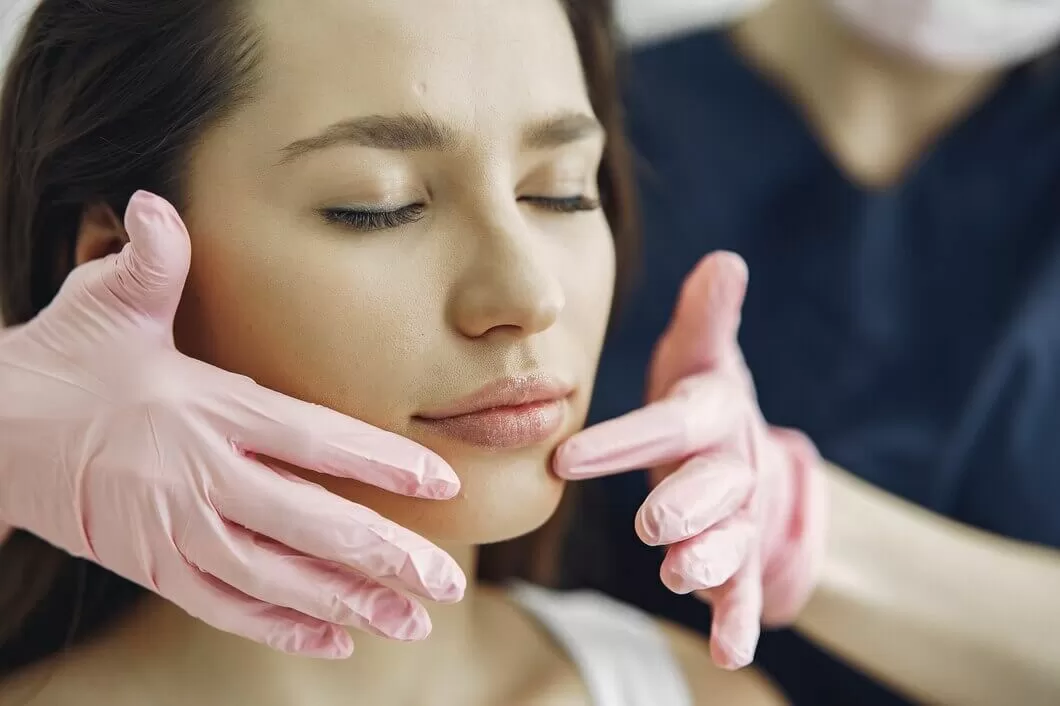
Proper preparation is vital to ensuring a safe procedure and achieving the best possible results. Whether you are opting for non-surgical injections or a surgical intervention for Jawline Treatment in Riyadh, following these guidelines will help minimize side effects like bruising and swelling while promoting optimal healing.
This is the most important window for physical preparation. During this time, your goal is to minimize factors that could lead to excess bleeding or bruising.
Medication & Supplement Review: Consult your primary care physician about pausing blood-thinning agents, including aspirin, ibuprofen (Advil, Motrin), naproxen (Aleve), and other NSAIDs. Additionally, stop taking supplements that can increase bleeding risk, such as fish oil, Vitamin E, ginkgo biloba, ginseng, garlic, and St. John’s Wort.
Alcohol Cessation: Avoid alcoholic beverages for at least 24–48 hours before your procedure, as alcohol can thin the blood and increase the likelihood of bruising.
Skincare Adjustments: If you are having injectables, pause the use of "anti-aging" or active skincare ingredients like retinoids (Retin-A, retinol), glycolic acid, or other harsh exfoliating acids 2–3 days prior to your visit to prevent skin sensitivity.
Health Screening: If you have a history of cold sores, inform your provider. They may prescribe an antiviral medication to take prophylactically to prevent an outbreak triggered by needle punctures.
Arnica Montana: If you are prone to bruising, consider starting homeopathic Arnica montana (available in pill or ointment form) a few days before your procedure to help manage post-treatment inflammation.
Hydration: Proper hydration keeps your skin elastic and receptive to treatment, leading to smoother results. Drink plenty of water in the lead-up to your appointment.
Arrive with a Clean Face: Come to your appointment with freshly washed skin, free of any makeup, lotions, or oils. This helps maintain a sterile environment and reduces the risk of infection.
Eat Beforehand: Have a light meal and stay hydrated. This helps maintain your blood sugar levels and prevents lightheadedness or "vasovagal" reactions, which are common when patients are nervous or have empty stomachs.
Comfortable Clothing: Wear loose, comfortable clothing to your appointment. If you are having a surgical procedure, ensure you have arranged for someone to drive you home, as you will likely be under anesthesia or sedation.
Plan for Recovery: If you are having non-surgical treatments, you can generally return to daily life quickly, but it is wise to avoid scheduling major social events for a few days to allow any minor swelling to subside. For surgery, ensure you have your post-op recovery space ready, including extra pillows to keep your head elevated.
Ice Carefully: For the first 48 hours, use a cold compress or a bag of frozen peas wrapped in a cloth. Apply for 15–20 minutes at a time to reduce swelling.
Avoid Strenuous Activity: Skip the gym, heavy lifting, or vigorous exercise for 24–48 hours (or as advised by your surgeon for surgical cases) to prevent the filler from migrating and to keep blood pressure stable.
Keep Your Head Elevated: Especially for the first few nights, try to sleep face-up with your head slightly elevated to minimize swelling.
Hands Off: Avoid massaging, rubbing, or manipulating the treated area unless specifically instructed by your provider.
Important Note: This guide is for educational purposes. Always prioritize the specific pre-operative and post-operative instructions provided by your clinic, as they will tailor their advice to your specific health history and the exact procedure you are undergoing.
Are you planning to undergo a non-surgical procedure like fillers, or are you considering a surgical approach?