When Should You Avoid Getting a Chemical Peel?
Introduction
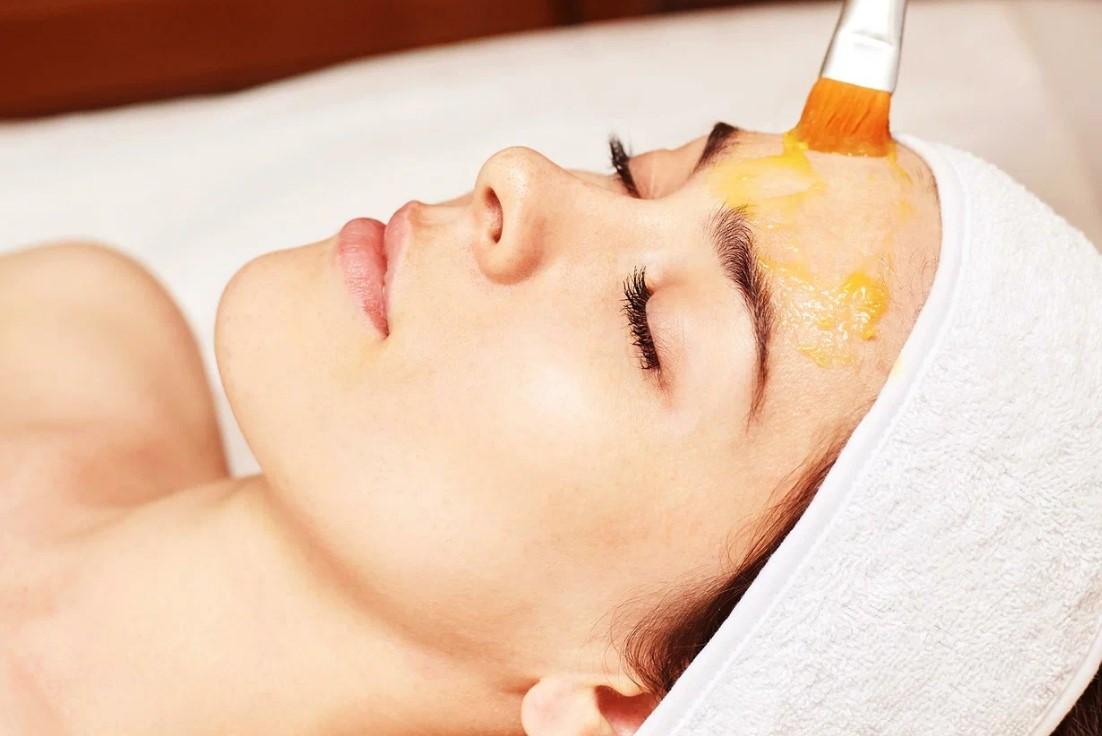
Chemical peels are effective skin treatments for improving acne scars, pigmentation, sun damage, fine lines, and overall skin texture. They work by exfoliating the outer layers of the skin and stimulating new cell growth, resulting in a fresher and more even complexion.
However, despite their benefits, chemical peels are not suitable for everyone at all times. In certain situations, undergoing a peel can lead to irritation, complications, or poor results. Understanding when to avoid a chemical peel is just as important as knowing its benefits. Chemical Peels in Riyadh offer an effective solution for improving skin texture, reducing blemishes, and revealing a smoother, more radiant complexion with personalized treatment options.
This guide explains the key situations where chemical peels should be postponed or avoided, helping you make safe and informed skincare decisions.
1. When You Have Active Skin Infections
One of the most important times to avoid a chemical peel is when you have an active skin infection.
This includes:
- Bacterial infections
- Fungal infections
- Viral infections (such as cold sores)
- Inflamed acne breakouts
Why it matters:
Chemical peels can worsen inflammation and spread infection to other areas of the skin. The treatment should only be done once the infection is fully healed.
2. During Severe Acne Flare-Ups
While chemical peels are often used to treat acne, they should not be performed during severe active flare-ups.
Avoid peels if you have:
- Painful cystic acne
- Widespread inflamed breakouts
- Open or bleeding pimples
Why it matters:
Performing a peel on severely inflamed skin can increase irritation and delay healing. Dermatologists usually treat active acne first before introducing peels.
3. If Your Skin Is Sunburned
Sunburned skin is highly sensitive and already damaged. Applying a chemical peel on top of it can lead to:
- Excessive irritation
- Burning sensation
- Uneven healing
- Increased pigmentation risk
You should wait until the skin has fully recovered before considering a peel.
4. When You Have Open Wounds or Cuts
Chemical peels should never be applied on broken skin.
Avoid treatment if you have:
- Cuts or abrasions
- Scratches
- Recent injuries on the face
- Post-procedure wounds from other treatments
Why it matters:
The acids used in chemical peels can cause severe discomfort and delay healing if applied to open skin.
5. If You Recently Used Strong Skincare Products
Certain skincare ingredients increase skin sensitivity and should be avoided before a peel.
These include:
- Retinoids (retinol, tretinoin)
- Strong exfoliating acids (AHA, BHA)
- Benzoyl peroxide
- Harsh scrubs or exfoliants
Why it matters:
Using these products too close to a peel can increase the risk of irritation, redness, or over-exfoliation.
6. During Pregnancy or Breastfeeding (In Some Cases)
Some chemical peels may not be recommended during pregnancy or breastfeeding, depending on the ingredients used.
Why caution is needed:
- Certain acids may not be considered safe in higher concentrations
- Skin sensitivity increases during hormonal changes
- Risk levels vary based on peel type
Always consult a dermatologist before undergoing any chemical peel during this period.
7. If You Have Extremely Sensitive Skin Conditions
People with certain skin conditions should avoid or carefully evaluate chemical peels, including:
- Eczema flare-ups
- Psoriasis outbreaks
- Rosacea (active stage)
- Severe dermatitis
Why it matters:
Chemical peels may worsen irritation or trigger flare-ups in already sensitive skin.
8. After Excessive Sun Exposure or Tanning
Recently tanned or heavily sun-exposed skin is more vulnerable to damage.
Avoid peels if:
- You have recently been in strong sunlight for long periods
- Your skin appears darker or tanned from UV exposure
Why it matters:
Tanned skin increases the risk of uneven pigmentation after a chemical peel.
9. If You Are Using Certain Medications
Some medications can make your skin more sensitive or affect healing.
Examples include:
- Strong acne medications (like isotretinoin)
- Certain antibiotics
- Blood-thinning medications (in some cases)
Why it matters:
These medications can increase the risk of irritation, slow healing, or cause unexpected reactions.
Always inform your dermatologist about any medications you are taking.
10. Immediately After Other Skin Procedures
You should avoid chemical peels if you have recently undergone other skin treatments such as:
- Laser resurfacing
- Microneedling
- Dermabrasion
- Intense facial treatments
Why it matters:
Your skin needs time to recover before undergoing another exfoliating procedure. Combining treatments too closely can lead to over-sensitivity.
11. If You Have Unrealistic Expectations
While not a medical restriction, emotional readiness matters too.
You should reconsider or delay treatment if you expect:
- Instant permanent results after one session
- Complete removal of deep scars in a single peel
- Zero downtime or side effects
Why it matters:
Chemical peels provide gradual improvement, not instant perfection. Understanding this helps ensure satisfaction with results.
12. When You Cannot Follow Aftercare Instructions
Chemical peels require proper aftercare to be safe and effective.
Avoid treatment if you:
- Cannot avoid sun exposure
- Are unable to follow skincare instructions
- Cannot commit to hydration and protection routines
Why it matters:
Poor aftercare increases the risk of pigmentation, irritation, and delayed healing.
What Happens If You Get a Peel at the Wrong Time?
Undergoing a chemical peel when it is not suitable can lead to:
- Excessive redness or irritation
- Pigmentation issues
- Slower healing
- Uneven results
- Increased sensitivity
- Risk of infection
This is why proper evaluation before treatment is essential.
Safe Alternative Timing
If you need to postpone a peel, dermatologists may recommend:
- Treating active skin issues first
- Preparing the skin with gentle skincare
- Scheduling during cooler months
- Waiting for full skin recovery after other treatments
Proper timing ensures safer and more effective results.
Final Thoughts
Chemical peels are highly effective treatments, but they are not suitable in every situation. Avoiding a peel at the wrong time is essential to protect your skin and achieve the best possible results.
Active infections, sunburn, skin injuries, strong medication use, and sensitive skin conditions are all important factors to consider before treatment. A professional consultation helps determine whether your skin is ready and which type of peel is safest for you.
When performed at the right time and with proper preparation, chemical peels can significantly improve skin clarity, texture, and overall health while minimizing risks.
 English
 Arabic
 French
 Spanish
 Portuguese
 Deutsch
 Turkish
 Dutch
Dutch
 Italiano
 Russian
 Romaian
 Portuguese (Brazil)
 Greek
Greek
 Advertise With Us
 About Us
 Terms And Conditions
 Privacy Policy
Ver Todo
Privacy Policy
Ver Todo