English
 Arabic
 French
 Spanish
 Portuguese
 Deutsch
 Turkish
 Dutch
Dutch
 Italiano
 Russian
 Romaian
 Portuguese (Brazil)
 Greek
Greek
FYP Worthy Pink Sand Summer by Chassity Evans
Party |
2026-06-12 04:52:30
 Advertise With Us
 About Us
 Terms And Conditions
 Política de privacidade
Ver todos
Política de privacidade
Ver todos

Atualizar para Plus
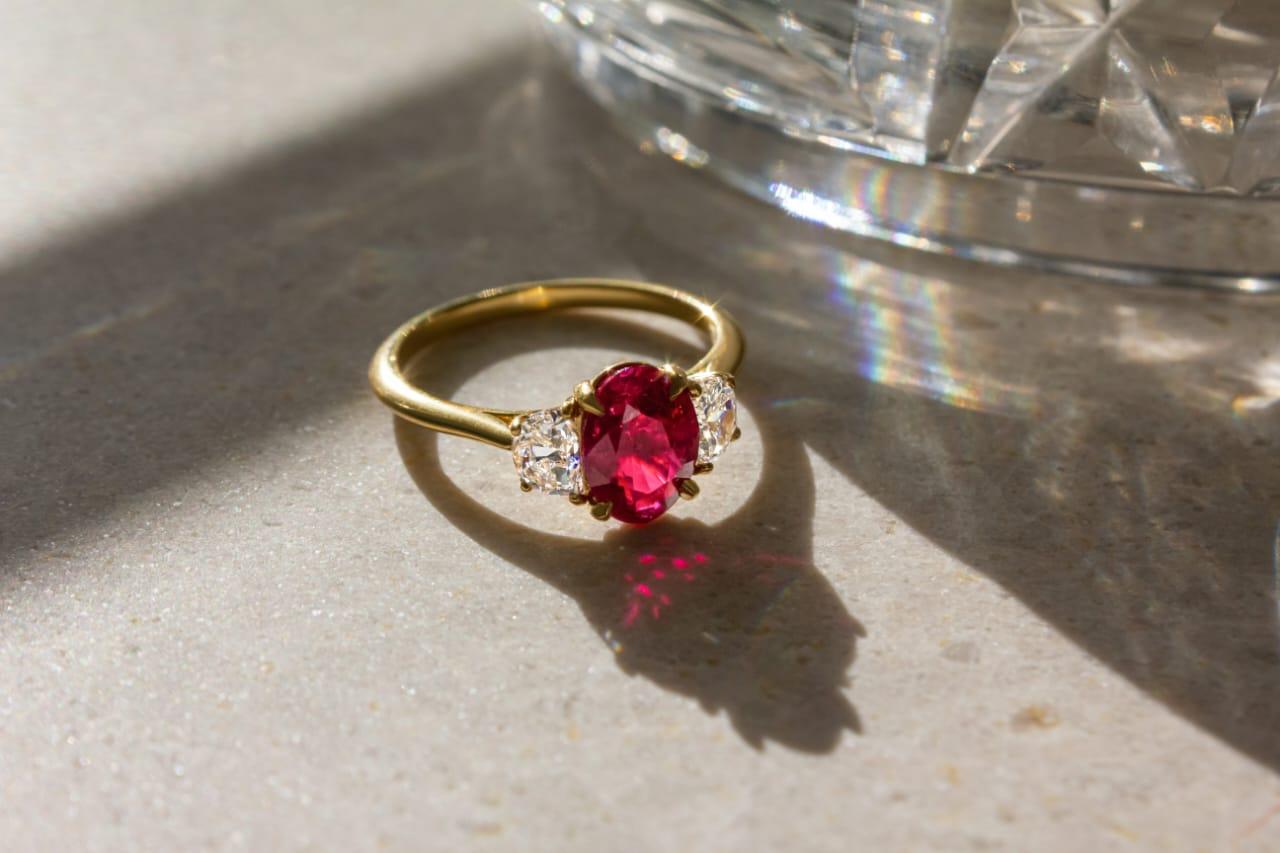
When most people think of engagement rings, diamonds naturally come to mind. However, many modern couples are choosing gemstones that reflect their personality, values, and unique love story. A ruby engagement ring has become one of the most meaningful alternatives, offering exceptional beauty, rich symbolism, and lasting value.
Known for its vibrant red color, the ruby has been treasured for centuries by royalty, collectors, and jewelry enthusiasts. Beyond its striking appearance, it symbolizes love, passion, courage, and commitment, making it a fitting centerpiece for an engagement ring.
Whether you're considering a ruby as your primary gemstone or simply exploring your options, this guide will help you understand everything from quality and styles to buying tips and long-term care.
A ruby engagement ring stands out because it combines emotional symbolism with remarkable durability. Unlike many colored gemstones, rubies are hard enough for everyday wear while offering a distinctive appearance that sets them apart from traditional diamond rings.
Some compelling reasons to choose a ruby include:
Rubies belong to the corundum mineral family and score 9 on the Mohs Hardness Scale, making them second only to diamonds in hardness. This makes them an excellent choice for engagement jewelry designed to last a lifetime.
Not all rubies are created equal. Understanding the key quality factors can help you make an informed purchase.
Color has the greatest influence on a ruby's value. The finest rubies display a vivid, saturated red with excellent brightness.
Experts generally evaluate:
The highly prized "pigeon blood" red is often considered the benchmark for premium-quality rubies, although beautiful stones exist across various shades of red.
Unlike diamonds, inclusions are common in rubies. In fact, perfectly flawless natural rubies are extremely rare.
Look for stones that:
Minor inclusions are often accepted because they indicate natural origin.
A well-cut ruby enhances brilliance and showcases its rich color. Popular cuts include:
The ideal cut depends on personal style and the natural characteristics of the gemstone.
Larger rubies become significantly rarer and more expensive. A smaller ruby with exceptional color often offers better value than a larger stone with poor color quality.
One of the biggest advantages of a ruby engagement ring is its versatility. The gemstone complements both classic and contemporary settings.
A solitaire setting allows the ruby to become the focal point. This timeless design works beautifully for those who appreciate elegance and simplicity.
A halo of diamonds surrounding the ruby increases sparkle while making the center stone appear larger.
This style is ideal for those seeking maximum brilliance.
Three-stone designs symbolize the past, present, and future of a relationship.
A ruby center stone paired with diamond side stones creates a balanced and sophisticated look.
Vintage designs feature intricate details such as:
These settings highlight the historic charm associated with rubies.
Clean lines and sleek metal bands appeal to couples who prefer understated elegance.
Minimalist settings allow the ruby's natural beauty to take center stage.
The choice of metal can dramatically influence the overall appearance of your ring.
Creates a modern contrast that makes the ruby's red color appear even more vibrant.
Offers a traditional, luxurious look inspired by royal jewelry collections.
Enhances the warm tones of the ruby, creating a romantic and contemporary aesthetic.
Highly durable and naturally white, platinum is an excellent long-term choice for everyday wear.
Each metal offers a distinct personality, making personal preference an important part of the selection process.
Buying a gemstone engagement ring involves more than simply choosing a beautiful design.
Consider these important factors:
Always purchase certified gemstones from reputable gemological laboratories whenever possible.
Certification verifies important details such as:
Many natural rubies undergo heat treatment to improve color and clarity.
Heat treatment is widely accepted within the jewelry industry.
However, untreated natural rubies are much rarer and often command significantly higher prices.
Never buy the first ruby you see.
Compare:
Even similarly graded rubies can look noticeably different.
A smaller ruby with exceptional color typically delivers greater visual impact than a larger stone with dull coloration.
Proper maintenance helps preserve your ring's beauty for decades.
Recommended care includes:
With proper care, a ruby can maintain its brilliance for generations.
Selecting the ideal ring involves balancing beauty, quality, and practicality.
Here are several expert recommendations:
A thoughtful purchase ensures your engagement ring remains meaningful for years to come.
Many buyers make avoidable mistakes when purchasing colored gemstone jewelry.
Here are the most common ones:
A larger ruby isn't always the better option. Color quality usually has the greatest impact on beauty and value.
Buying an uncertified gemstone increases the risk of misrepresentation.
Not understanding gemstone treatments can lead to unrealistic expectations regarding rarity and pricing.
An unsuitable setting may expose the gemstone to unnecessary wear or damage.
Even durable gemstones require regular cleaning and occasional professional inspections.
Yes. Rubies rank 9 on the Mohs Hardness Scale, making them one of the most durable gemstones available for daily wear.
It depends on quality. Exceptional natural rubies can exceed the price of diamonds, while many commercial-quality rubies are more affordable.
Rubies traditionally represent love, passion, courage, loyalty, prosperity, and lifelong commitment.
Both have advantages. Natural rubies offer rarity and uniqueness, while laboratory-grown rubies provide excellent appearance at a lower cost.
Round and oval accent diamonds are particularly popular, although cushion and pear-shaped side stones also create elegant combinations.
A ruby engagement ring offers far more than stunning visual appeal. It represents enduring love, individuality, and timeless elegance while providing the durability needed for everyday wear. By understanding the key factors that influence ruby quality, selecting the right setting and metal, and following proper care practices, you can confidently choose a ring that remains beautiful for generations.
Whether you're drawn to a classic solitaire, a vintage-inspired masterpiece, or a modern minimalist design, a ruby engagement ring delivers a distinctive alternative that celebrates your relationship in a meaningful and unforgettable way.