English
 Arabic
 French
 Spanish
 Portuguese
 Deutsch
 Turkish
 Dutch
Dutch
 Italiano
 Russian
 Romaian
 Portuguese (Brazil)
 Greek
Greek
Healthy Weight Loss Through Sustainable Lifestyle Changes
Film |
2026-07-16 19:30:35
 Advertise With Us
 About Us
 Terms And Conditions
 سياسة الخصوصية
عرض كل النتائج
سياسة الخصوصية
عرض كل النتائج

ترقية الحساب
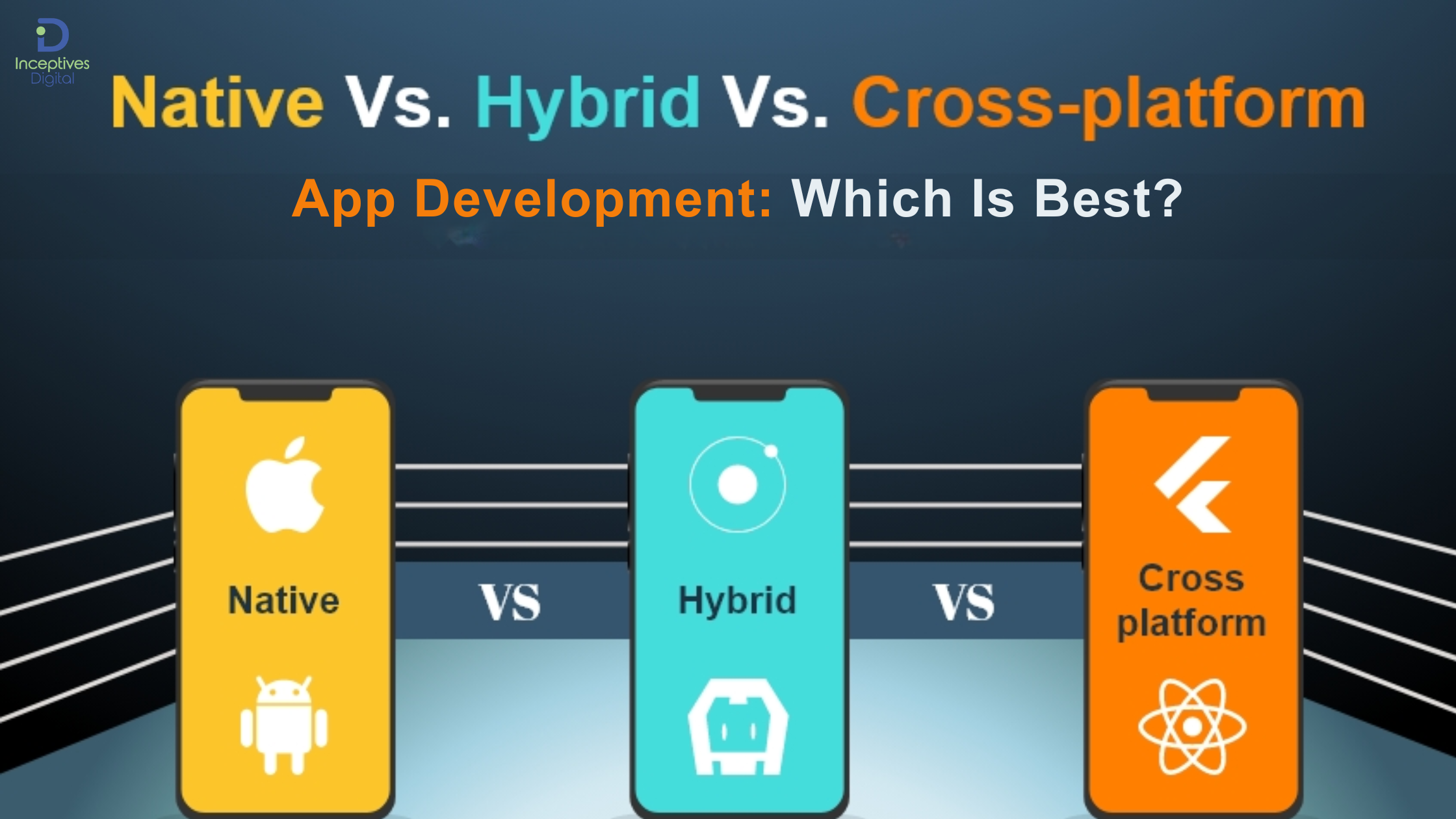
Choosing the right development approach is one of the most important decisions when building a mobile app. It affects everything from performance and cost to user experience and scalability. Many businesses, especially startups, often struggle to decide between native, hybrid, and cross-platform approaches.
That’s why companies often partner with a cross-platform app development company to evaluate their needs and select the most suitable technology stack. Each approach has its strengths and trade-offs, and the right choice depends on your goals, budget, and timeline. In the fast-moving tech world of 2026, the gap between these methods is shrinking, but the underlying logic remains.
In this guide, we’ll break down Native vs Hybrid vs Cross Platform App Development, compare their pros and cons, and help you decide which one works best for your project without getting lost in the technical weeds.
Native app development involves building applications specifically for a single platform, such as Android or iOS. Think of it like building a custom-tailored suit—it’s made to fit one person perfectly, utilizing every specific detail of their measurements.
Technologies Used
*Android: Java or Kotlin
*iOS: Swift or Objective-C
Key Advantages
*Unmatched Speed: Since the code talks directly to the hardware, the performance is lightning-fast.
*Total Access: You get full, unfiltered access to device features like the camera, GPS, haptics, and sensors.
*Security: Native environments offer the most robust security protocols available.
Limitations
*Pricey: You’re essentially building two separate apps.
*Double the Work: Maintaining two codebases requires more developers and more hours.
Native apps are ideal for projects where performance and user experience are top priorities—like high-end games or complex banking tools.
Hybrid apps are built using web technologies like HTML, CSS, and JavaScript and then wrapped in a native "container." It’s essentially a website dressed up like an app.
How It Works
A single codebase runs inside a web view. Imagine a browser window hidden inside an app icon—that’s a hybrid app.
Key Advantages
*Budget-Friendly: It’s usually the cheapest way to get into the app store.
*Fast Market Entry: Since you’re building one version for everyone, you can launch quickly.
*Easy Maintenance: Updates are a breeze because you only change the web-based code.
Limitations
*Lags and Jitter: It will never feel as smooth as a native app.
*Feature Gaps: Accessing specialized hardware features can be a headache.
Hybrid apps are suitable for simple applications where speed and budget matter more than raw power.
Cross-platform development allows developers to write one codebase that works across multiple platforms while maintaining near-native performance. This is the "sweet spot" for 2026.
Popular Frameworks
*Flutter (Google’s darling)
*React Native (Meta’s industry standard)
*Xamarin
Key Advantages
*Efficiency: One team, one codebase, two platforms.
*Near-Native Feel: The performance is so good that most users can't tell the difference.
*Visual Consistency: Your app looks identical on a Samsung and an iPhone.
Limitations
*Framework Dependency: You’re at the mercy of the third-party framework (like Flutter) for updates.
*Complex Graphics: Extremely high-end visuals might still need a native touch.
Yeh raha plain text format mein, copy karo aur use karo:
To better understand the differences, let's compare them across the factors that actually impact your bottom line.
Performance Native offers the best performance with high speed. Hybrid has the lowest performance as it is web-based. Cross-Platform provides near-native performance.
Development Cost Native has the highest development cost. Hybrid is the most affordable with the lowest cost. Cross-Platform falls in the middle with a moderate cost.
Time to Market Native takes longer to develop and launch. Hybrid is the fastest to market. Cross-Platform is also fast, though slightly behind Hybrid.
User Experience Native delivers a premium user experience. Hybrid offers only a basic experience. Cross-Platform provides a good user experience overall.
Scalability Native apps are highly scalable. Hybrid apps have limited scalability. Cross-Platform apps offer moderate scalability.
Native development is the right choice if you aren't ready to compromise. It’s for the heavy hitters:
*Your app requires high-end processing or 3D graphics.
*You need deep integration with advanced sensors or AR/VR.
*You’re building a massive enterprise system.
*Budget is not your primary concern.
Hybrid development works best when you need to be "good enough" right now:
*You have a very limited budget.
*The app is basically a way to display content (like a blog or a simple store).
*You need a Minimum Viable Product (MVP) to show investors by next week.
Cross-platform is ideal for the vast majority of modern apps:
*You want to hit both Android and iOS audiences simultaneously.
*You need a high-quality feel without the "Native" price tag.
*You want your branding and UI to be 100% consistent across devices.
*Native Apps: Gaming (Call of Duty Mobile), AR tools, or high-security fintech.
*Hybrid Apps: Simple internal business tools or content-heavy directories.
*Cross-Platform Apps: E-commerce (Shopify), Social Media (Instagram), and on-demand services (Uber Eats).
*Price-Tag Blindness: Don't pick a hybrid just because it’s cheap today. If you have to rewrite the whole thing in a year because it can't scale, it was actually the most expensive choice.
*Ignoring the Human Element: If the scrolling feels "weird" or the buttons lag, users will leave. UX is king.
*Ignoring Technical Reality: If you need a specific hardware feature that a hybrid wrapper can't access, you’re stuck. Do your homework first.
The gap between native and cross-platform development is shrinking every day. In 2026, emerging trends like AI-powered code generation and improved rendering engines mean that cross-platform solutions are becoming the go-to for everyone from solo founders to Fortune 500s.
There’s no "best" answer when it comes to Native vs Hybrid vs Cross Platform App Development. There is only the "best for right now."
If performance is your North Star, go Native. If you’re testing a small idea on a shoestring budget, go Hybrid. But if you’re looking for the best balance of speed, cost, and "wow" factor, Cross-Platform is almost always the winner. Align your tech stack with your long-term vision, and you'll save yourself a lot of headaches down the road.