English
 Arabic
 French
 Spanish
 Portuguese
 Deutsch
 Turkish
 Dutch
Dutch
 Italiano
 Russian
 Romaian
 Portuguese (Brazil)
 Greek
Greek
P-Shot Insights: A Modern Solution for Male Sexual Wellness in Riyadh
Health |
2026-03-10 09:05:22
 Advertise With Us
 About Us
 Terms And Conditions
 Política de privacidade
Ver todos
Política de privacidade
Ver todos

Atualizar para Plus
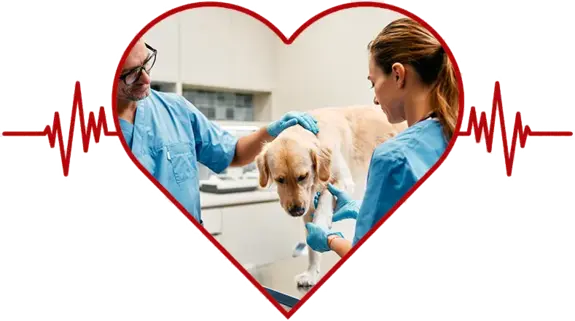
When your pet becomes seriously ill or injured in the middle of the night, the hours between midnight and morning can feel impossibly long and disorienting. Most pet owners have never had to navigate a late night veterinary crisis before it happens, which means the first time they face one they are simultaneously trying to assess their pet, manage their own fear and figure out what to do next. Knowing how to prepare for a visit to an overnight emergency vet before that moment ever arrives makes an enormous difference in how quickly and calmly you are able to act. Preparation does not eliminate the stress of a pet emergency but it removes the paralysis that comes from having no plan at all.
This guide covers everything you need to know before, during and after a late night emergency veterinary visit so that when the time comes you can focus entirely on getting your pet the help they need.
Before preparing for a visit it is worth understanding what distinguishes an overnight emergency vet from a regular daytime veterinary practice. The core difference is availability and focus. A standard veterinary clinic operates during set business hours and handles scheduled appointments alongside walk in concerns during those hours. When the clinic closes for the evening, a pet owner with a sick or injured animal has no access to that team until the following morning.
An overnight emergency vet operates specifically during the hours when regular practices are closed. This typically means evenings, nights, weekends and public holidays. The entire purpose of the facility is to be ready and staffed for critical cases that cannot wait until business hours resume. The team working at a 24 hour emergency vet is trained and equipped specifically for urgent presentations, which means they are accustomed to handling serious conditions under pressure and have the diagnostic tools and medications on hand to respond immediately.
Some facilities function as both a daytime practice and an after hours emergency clinic. Others operate exclusively as emergency veterinary services and receive cases referred by daytime vets whose regular hours have ended. Understanding which model your local facility uses helps you know what to expect when you call or arrive.
One of the most common concerns pet owners have when their animal seems unwell at night is whether the situation truly warrants an emergency visit or whether it can wait until their regular vet opens in the morning. This is an important judgment to make correctly because delaying care in a genuinely critical situation can have serious consequences while visiting a pet emergency hospital unnecessarily adds cost and stress without clinical benefit.
Certain symptoms should always prompt an immediate call to an emergency veterinary services provider regardless of the hour. These include difficulty breathing or open mouth breathing in a cat, collapse or sudden inability to stand, suspected ingestion of a toxic substance, uncontrolled bleeding, a distended or visibly painful abdomen, repeated unproductive retching especially in large breed dogs, suspected urinary blockage particularly in male cats, prolonged seizures or multiple seizures within a short period, suspected spinal injury, loss of consciousness and severe trauma from a vehicle accident or animal attack.
These situations do not improve with time and in many cases they deteriorate rapidly. Understanding the impact of delayed emergency care helps illustrate why waiting even a few hours in these circumstances carries genuine risk. When in doubt about the urgency of a situation, calling the emergency clinic and describing what you are observing is always the right move. The team at a 24 hour emergency vet can help you assess over the phone whether your pet needs to come in immediately.
For a comprehensive reference on which signs require urgent attention, reviewing pet emergency signs every owner should know gives you a clear and reliable checklist to consult when you are unsure.
The single most effective preparation you can make for a late night emergency is to do your research now rather than in the moment. This sounds straightforward but the majority of pet owners have not identified their nearest overnight emergency vet before they need one. When an animal is in distress, the last thing you want to be doing is searching online for the nearest facility while trying to keep your pet calm and monitor their condition at the same time.
Find the address, phone number and operating hours of the emergency veterinary services available in your area and save them in your phone. Write them on a piece of paper and put it somewhere accessible in your home such as on the refrigerator or in the drawer where you keep pet supplies. If you have multiple pets or pets with existing health conditions, note whether your nearest pet emergency hospital has the specific capabilities relevant to their needs.
Knowing the route to the clinic in advance is also valuable. Driving to an unfamiliar location at two in the morning while anxious about your pet is difficult. If possible, drive the route once during daylight so you are familiar with it. Identify whether there are any road conditions, construction areas or turns that might be confusing at night.
Consider whether you have a designated person who could drive you and your pet to the clinic if needed. In a serious emergency, having a second person in the car allows you to monitor your pet during transport rather than dividing your attention between the road and an animal in distress. Identify that person in advance and let them know you would call on them if a situation arose.
Once you have determined that your pet needs to visit a 24 hour emergency vet, there are a few things worth gathering quickly before you leave. The key word is quickly. Do not delay your departure to find paperwork. The clinical team can manage without records in a genuine emergency. However if these items are already organized and accessible they take only moments to collect.
Your pet's vaccination records and any known medical history are helpful to bring if they are immediately available. If your pet takes regular medications, bring those containers with you. The dosage information and drug names help the veterinary team understand your pet's current health status and avoid interactions with emergency medications.
If your pet ingested something potentially toxic, bring the packaging, container or a sample of the substance if it can be collected safely. This information can significantly speed up the treatment process because it allows the emergency team to identify the specific toxin and its concentration without relying solely on your description. Our guide on poisoning in pets and common household hazards outlines what the most common household toxins are and why having that packaging information is so valuable.
Bring a payment method. Most emergency veterinary services require payment or a deposit before or during treatment. Knowing this in advance and having a card or access to funds ready avoids a stressful conversation at the reception desk on top of everything else. If you have pet insurance, bring your policy details or have the app on your phone ready to access.
Transporting a sick or injured pet incorrectly can worsen their condition before they ever reach the pet emergency hospital. The way you handle and move your animal in the time between the incident and arrival at the clinic matters clinically.
For cats and small dogs, a secure carrier is the safest option for transport. A contained animal is protected from further injury during the journey and is easier for the clinical team to receive safely on arrival. Line the carrier with a clean towel or blanket and keep the environment as calm and quiet as possible during transport.
For a dog that is too large for a carrier or that has sustained a spinal or limb injury, movement should be minimized as much as possible. A firm flat surface used as a stretcher reduces the risk of worsening a fracture or spinal injury during loading and unloading. Avoid bending or twisting the animal's spine. If a spinal injury is suspected, support the entire length of the body as you move them. You can read more detailed guidance on how to handle pet trauma before reaching emergency care to understand the specific steps that protect your pet during those critical minutes before arrival.
If your pet is bleeding, apply gentle continuous pressure with a clean cloth during transport. Do not remove the cloth once it is in place as this disrupts any clotting that has begun. If you need guidance on managing bleeding before arriving at the clinic, our article on how to control severe bleeding in pets until help arrives provides clear step by step guidance.
Keep the car warm but not hot during transport. An injured or ill animal may have difficulty regulating their body temperature and a comfortable environment reduces one additional stress on their system.
Arriving at a pet emergency hospital for the first time, especially at night, can feel disorienting if you do not know what to expect. Understanding the typical intake process helps you move through it efficiently rather than feeling lost or frustrated by it.
When you arrive you will be asked to check in at the reception desk and describe the nature of your pet's emergency. A veterinary technician will perform an initial triage assessment, which is a rapid evaluation of your pet's vital signs and presenting symptoms. The purpose of triage is to determine the urgency of the case relative to other patients currently being seen. In a genuinely critical case your pet will be taken through immediately. In less critical cases there may be a wait while more urgent patients are stabilized.
This triage process can feel difficult to accept when you are worried about your own pet but it is the same system used in human emergency medicine and it exists to ensure that the most life threatening cases receive attention first. While you wait you will likely be asked to complete intake paperwork and provide information about your pet's medical history, current medications and the details of what occurred.
A veterinarian will examine your pet and discuss their findings with you along with the diagnostic tests they recommend. They should provide you with a cost estimate before proceeding with diagnostics or treatment in non immediately life threatening situations. Ask questions if anything is unclear. The team at a quality urgent care for pets provider expects and welcomes questions from concerned owners.
One of the hardest parts of a late night emergency visit is the waiting. Once your pet has been taken through for assessment or treatment, you may be in the waiting area for an extended period. The uncertainty of not knowing what is happening can feel unbearable, particularly in the middle of the night when exhaustion adds to the emotional weight of the situation.
Bring something to occupy your mind if possible. A phone charger is genuinely useful because you will likely use your phone more than usual whether you are contacting family, looking things up or simply trying to distract yourself. Bring water and something small to eat if there is any chance you will be there for several hours. Taking care of your own basic needs helps you stay functional and clear headed so that when the veterinarian comes to speak with you about your pet's condition you are able to take in and respond to that information well.
If you are finding the wait extremely difficult, it is entirely appropriate to ask the reception team for a brief update on your pet's status. The clinical team may not be able to provide detailed results during active treatment but a simple confirmation that your pet is stable and being evaluated can help significantly.
Arriving at an overnight emergency vet with a sense of what you want to understand helps you leave with the information you need rather than realizing later that you forgot to ask something important.
Ask the veterinarian to explain the diagnosis or suspected diagnosis in plain language and to describe what the recommended treatment involves. Ask about the expected timeline, both for the immediate stabilization and for the overall recovery. Ask whether hospitalization overnight is recommended and if so what monitoring and treatment will be provided during that time.
Ask for a written itemized estimate before non-emergency treatments begin and ask what the minimum necessary interventions are if cost is a significant concern. Understanding which elements of the treatment plan are immediately essential versus which could be addressed in follow up helps you make informed decisions without feeling that everything is happening beyond your control.
Ask what signs to watch for after your pet is discharged and under what circumstances you should return to the urgent care for pets facility or follow up with your regular veterinarian. This information is often given verbally during a late night discharge when exhaustion may affect how well you retain it. Asking for written discharge instructions ensures you have something to refer back to.
The care your pet receives at the pet emergency hospital is the acute phase of treatment but it is rarely the end of the process. Most emergency visits result in a recommendation to follow up with your regular veterinarian within a day or two, or sooner depending on the condition.
Bring your discharge paperwork and any records provided by the emergency clinic to your follow up appointment. The emergency team will typically note the treatments administered, the medications prescribed and the diagnostic results they obtained. Your regular vet needs this information to continue appropriate care.
If your pet was prescribed medications after the visit, follow the dosage and duration instructions precisely. Do not stop a course of antibiotics early because your pet seems better. Finish the full course as directed. If your pet shows any new or worsening symptoms after being discharged, contact either your regular vet or the emergency clinic rather than waiting for a scheduled appointment.
A single late night emergency often motivates pet owners to build a more complete emergency plan that they had not prioritized before. Using that experience as a prompt to strengthen your preparation is one of the most constructive things you can do with it.
Review what caught you off guard during the experience. Was it not knowing the location of the emergency veterinary services in your area? Was it not having your pet's records organized? Was it not knowing how to safely transport an injured animal? Each gap you identify is something you can address now so that the next emergency finds you better equipped.
Consider whether your pet's overall health management could be improved to reduce the likelihood of future emergencies. Regular wellness visits with your regular veterinarian, keeping vaccinations current, managing your pet's weight and reviewing your home environment for hazards are all steps that reduce health risks. Our article on managing pet emergencies during holidays and weekends covers additional planning strategies specifically for the times when regular veterinary access is limited.
Preparing for a late night visit to an overnight emergency vet is one of the most practical things a responsible pet owner can do. From knowing the location of your nearest 24 hour emergency vet and saving their contact details in advance to understanding how to transport your pet safely and what to expect on arrival, every element of preparation reduces the time it takes to get your pet the help they need and reduces the stress you carry while doing it.
Emergency veterinary services exist precisely for moments when a pet's life or long term health is at risk and professional intervention cannot wait until morning. The teams staffing these facilities are trained for exactly these situations and they are ready to help. Your role is simply to get there quickly, communicate clearly and trust the process.
At North MS Pet Emergency, we provide overnight and weekend emergency care for small animals across North Mississippi including Tupelo and Starkville as well as Northwest Alabama and Southwest Tennessee. Our team is available and equipped to handle critical cases when your regular clinic is closed. If your pet needs urgent care for pets right now or you want to know more about our emergency veterinary services before a crisis occurs, contact us at any time and we will be ready to help.
Q: How do I find the nearest overnight emergency vet before I need one?
A: Search online now for emergency veterinary services in your area and save the address and phone number in your phone. Contact local animal shelters or your regular vet for recommendations. Identifying your nearest 24 hour emergency vet in advance prevents dangerous delays during a real crisis.
Q: What should I bring to a pet emergency hospital in the middle of the night?
A: Bring your pet's medical records and current medications if immediately accessible, packaging from any suspected toxic substance, a form of payment and your pet insurance information if applicable. Do not delay your departure to gather paperwork if your pet needs urgent care for pets immediately.
Q: How does triage work at a 24 hour emergency vet and why might I have to wait?
A: Triage is a rapid assessment of your pet's vital signs and symptoms used to prioritize cases by urgency. The most critical patients are seen first. Waiting does not mean your pet is forgotten. It means another patient has a more immediately life-threatening condition requiring immediate emergency veterinary services attention.
Q: Is it safe to transport an injured pet to an overnight emergency vet alone?
A: Having a second person drive while you monitor your pet is preferable but not always possible. Use a secure carrier for small animals. For larger or injured dogs minimize movement and use a firm surface as a stretcher if a spinal injury is suspected to avoid worsening the condition during transport.
Q: What happens after my pet is discharged from the pet emergency hospital?
A: Follow all discharge instructions carefully and attend any recommended follow up appointments with your regular veterinarian. Bring all paperwork from the emergency visit. If new or worsening symptoms appear before the follow up appointment contact either your regular vet or the urgent care for pets facility immediately rather than waiting.