English
 Arabic
 French
 Spanish
 Portuguese
 Deutsch
 Turkish
 Dutch
Dutch
 Italiano
 Russian
 Romaian
 Portuguese (Brazil)
 Greek
Greek
Future of the Blockchain in Insurance Market: Smart Contracts, Transparency, and Automation
Other |
2026-07-03 05:38:07
 Advertise With Us
 About Us
 Terms And Conditions
 Política de privacidade
Ver todos
Política de privacidade
Ver todos

Atualizar para Plus
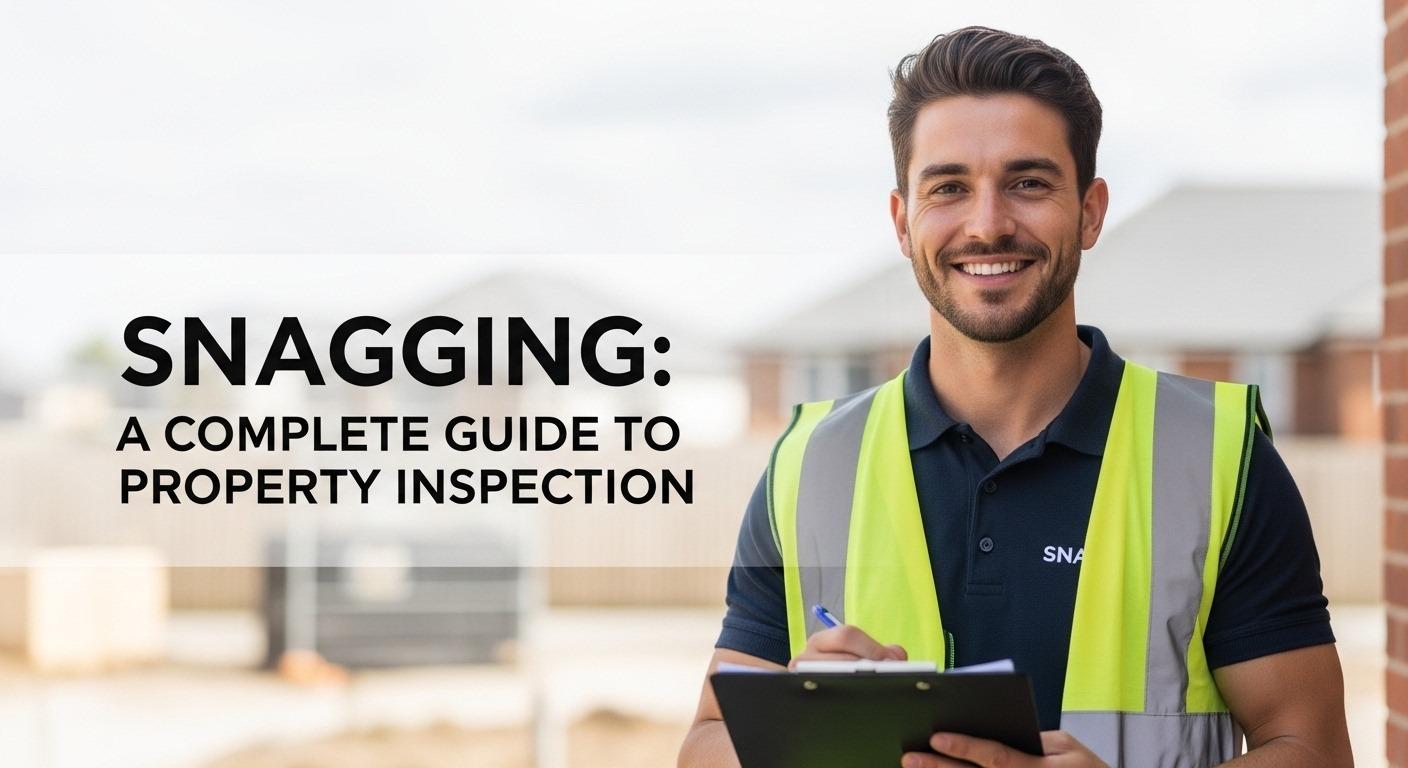
Buying or selling a property is one of the most important financial decisions anyone can make. Whether it is a residential home, commercial building, or investment property, understanding its true condition is essential before completing any transaction. This is where Property Inspection becomes an important part of the process.
A professional property inspection helps identify hidden issues, structural concerns, safety hazards, and maintenance needs before they become expensive problems. It provides peace of mind to buyers while helping sellers prepare their property for a smoother sale. Property owners can also use inspections to maintain their investment and prevent costly repairs in the future.
This guide explains everything you need to know about property inspection, why it matters, what inspectors look for, and how it benefits everyone involved in the real estate process.
Property inspection is a detailed examination of a property's physical condition. A trained inspector carefully evaluates different parts of the building to identify defects, safety concerns, and maintenance issues.
The purpose of a property inspection is to provide an unbiased assessment of the property's current condition. It helps buyers understand what they are purchasing and allows sellers to address issues before listing their property.
Property inspections are commonly performed before buying or selling a home, but they are also valuable for landlords, investors, homeowners, and businesses looking to protect their assets.
A property may appear attractive from the outside, but hidden problems can exist beneath the surface. A professional inspection helps uncover issues that may not be visible during a casual walkthrough.
Property inspection offers several important benefits, including:
Without a proper inspection, buyers may face unexpected repair expenses after moving into the property.
A complete property inspection covers many parts of a building. While every inspection may vary depending on the property's age and condition, inspectors generally examine all major systems.
The inspector evaluates the outside of the property, including walls, siding, paint, windows, doors, drainage, landscaping, driveways, and visible foundation areas.
They also look for cracks, water damage, improper grading, and signs of structural movement.
The roof is one of the most important parts of any property. Inspectors check shingles, flashing, gutters, downspouts, chimneys, and signs of water penetration.
Roof inspections can reveal aging materials, leaks, missing shingles, or poor drainage.
Inspectors carefully examine the foundation and structural components to identify cracks, uneven floors, shifting walls, or other indicators of structural issues.
A strong foundation is essential for the long-term safety and value of the property.
The plumbing inspection includes visible pipes, fixtures, faucets, sinks, toilets, water heaters, and drainage systems.
Inspectors check for leaks, water pressure problems, corrosion, and proper operation.
Electrical inspections focus on wiring, outlets, switches, circuit breakers, electrical panels, and visible electrical components.
Faulty wiring can create serious safety hazards, making this part of the inspection especially important.
Heating, ventilation, and air conditioning systems are inspected to ensure they operate efficiently and safely.
The inspector looks for signs of wear, poor maintenance, or system failures that may require repair.
Inside the property, inspectors evaluate walls, ceilings, floors, windows, doors, stairways, insulation, and ventilation.
They also look for water stains, mold, cracks, and evidence of pest activity.
Property inspection protects buyers from making costly mistakes.
It provides a better understanding of the property's condition before signing the final agreement. Buyers can make informed decisions based on professional findings rather than appearances alone.
Inspection reports also give buyers the opportunity to negotiate repairs, request maintenance, or adjust the purchase price if significant issues are discovered.
Most importantly, buyers gain confidence knowing they understand the property's true condition.
Property inspections are not only valuable for buyers. Sellers can also benefit from arranging an inspection before listing their property.
A pre-listing inspection allows sellers to identify and repair problems in advance. This helps reduce surprises during negotiations and demonstrates transparency to potential buyers.
Well-maintained properties often attract greater interest because buyers appreciate knowing the property has been properly evaluated.
Even if you are not planning to sell your home, regular property inspections can help maintain its value.
Routine inspections identify maintenance issues before they become serious repairs. Early detection often saves money while extending the lifespan of major systems such as roofing, plumbing, and electrical components.
Homeowners who schedule regular inspections can better protect their investment and avoid unexpected emergencies.
Real estate investors rely on accurate information before purchasing investment properties.
Property inspection helps investors estimate repair costs, evaluate renovation needs, and calculate future maintenance expenses.
A thorough inspection supports smarter investment decisions and reduces financial risk.
Every property has some level of wear and tear. However, inspections often reveal issues that require immediate attention.
Common findings include:
Finding these issues early helps owners address them before they become more expensive.
Proper preparation helps ensure the inspection proceeds smoothly.
Property owners should make all areas accessible, including attics, basements, garages, utility rooms, and electrical panels.
Replacing burned-out light bulbs, fixing minor maintenance issues, and cleaning the property can also help inspectors complete a thorough evaluation.
Providing maintenance records may also be helpful during the inspection.
The time required depends on the property's size, age, and condition.
Larger or older buildings usually require more detailed evaluations because they contain more systems and potential maintenance concerns.
The inspector carefully examines each accessible area to prepare a comprehensive report.
After the inspection, the inspector prepares a detailed report explaining the property's condition.
The report usually includes descriptions of observed issues, photographs, maintenance recommendations, and repair suggestions.
It is important to understand that inspection reports identify visible concerns rather than guaranteeing future performance.
Reviewing the report carefully helps buyers and owners prioritize repairs and maintenance.
Selecting a qualified property inspector is essential for receiving accurate information.
Look for an inspector with experience, strong communication skills, attention to detail, and knowledge of residential or commercial construction.
A professional inspector should provide clear reports that explain findings in simple language, making it easier to understand the property's condition.
A successful property inspection begins with good preparation and realistic expectations.
Buyers should attend the inspection whenever possible to ask questions and better understand the property's systems. Sellers should ensure the property is clean and accessible.
Both parties should carefully review the inspection report before making important decisions.
Remember that even well-maintained properties may have minor issues. The goal of an inspection is not to find a perfect property but to understand its current condition.
A property inspection is a professional evaluation of a property's condition to identify visible defects, safety concerns, and maintenance needs before buying, selling, or maintaining a building.
Property inspection helps identify hidden problems, improves safety, protects investments, and allows buyers and sellers to make informed decisions.
Yes. Inspectors look for visible signs of foundation movement, wall cracks, uneven floors, and other structural concerns that may require further evaluation.
Yes. Regular inspections help detect maintenance problems early, reduce repair costs, and preserve the property's long-term value.
Absolutely. Commercial property inspections evaluate building systems, structural components, safety concerns, and maintenance requirements, helping business owners make informed investment decisions.
A Property Inspection is one of the most valuable steps in any real estate transaction. It provides a detailed understanding of a property's condition, helping buyers avoid unexpected expenses and giving sellers an opportunity to address issues before listing their property.
Beyond buying and selling, property inspections are an essential part of responsible property ownership. Regular inspections help detect maintenance concerns early, improve safety, and preserve the long-term value of residential and commercial properties. Whether you are purchasing your first home, managing investment properties, or maintaining a family residence, a professional property inspection provides the knowledge needed to make confident decisions.