Factors That Affect PRP Results in Different Individuals
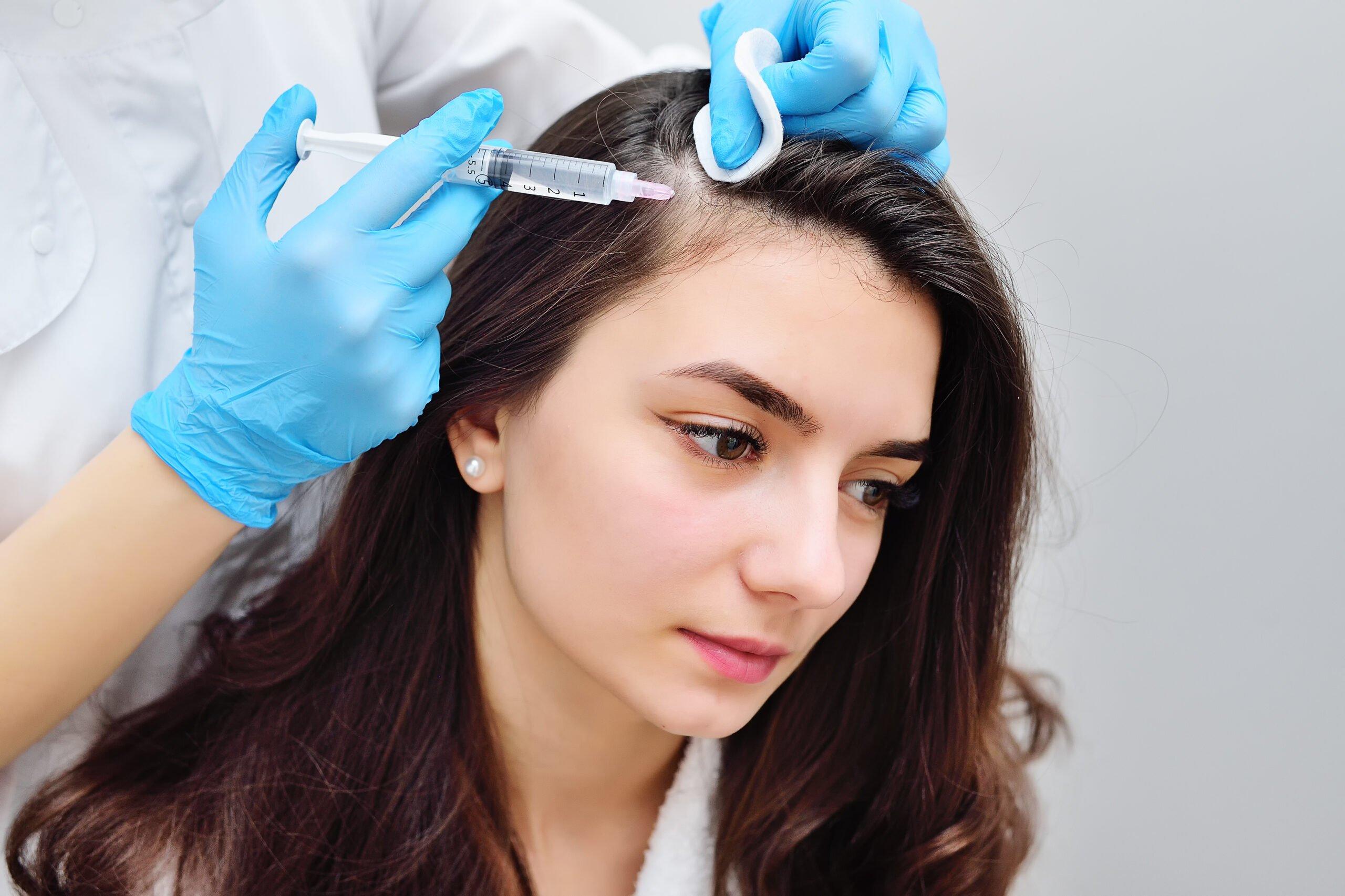
PRP (Platelet-Rich Plasma) hair treatment does not produce identical results for everyone. Some people experience fast and noticeable regrowth, while others see only mild improvement. This variation happens because PRP relies on the body’s natural healing response, which differs from person to person. PRP hair treatment in Riyadh is becoming a popular option for people looking to naturally support hair regrowth and reduce hair thinning over time.
Understanding the key factors that influence PRP results helps set realistic expectations and improves treatment outcomes.
1. Stage of Hair Loss
The most important factor affecting PRP results is how advanced the hair loss is.
Early Stage Hair Loss
- Hair follicles are still active
- High response to PRP
- Better regrowth and thickness improvement
Moderate Hair Loss
- Some follicles are weakened
- Partial response expected
- Requires more sessions for visible results
Advanced Hair Loss
- Many follicles are inactive or dead
- Limited or no regrowth
- PRP may only improve surrounding hair quality
In general, earlier treatment leads to significantly better outcomes.
2. Underlying Cause of Hair Loss
Different causes respond differently to PRP.
Androgenetic Alopecia (Genetic Hair Loss)
PRP works moderately well by strengthening miniaturized follicles and slowing progression.
Stress-Related Hair Loss
Often responds very well because follicles are temporarily weakened, not permanently damaged.
Nutritional Deficiencies
Improvement is possible if deficiencies are corrected alongside PRP.
Autoimmune Conditions
Response is unpredictable because the immune system continues to attack follicles.
3. Age of the Patient
Age plays a major role in how well PRP works.
Younger Individuals
- Better blood circulation
- Stronger healing response
- Higher growth factor activity
- Faster and better results
Older Individuals
- Slower cellular regeneration
- Reduced follicle responsiveness
- May require more sessions
Younger patients generally respond more positively to PRP therapy.
4. Overall Health and Lifestyle
General health has a direct impact on hair regrowth.
Positive Influences:
- Balanced diet rich in protein and vitamins
- Good sleep cycle
- Regular physical activity
- Low stress levels
Negative Influences:
- Smoking
- Excess alcohol consumption
- Chronic stress
- Poor nutrition
Healthy individuals tend to respond better and faster to PRP treatment.
5. Quality of PRP Preparation
Not all PRP treatments are the same. The preparation method matters significantly.
Factors affecting PRP quality:
- Centrifuge technology used
- Platelet concentration level
- Blood handling technique
- Processing time
Higher-quality PRP with optimal platelet concentration usually produces better results.
6. Number and Consistency of Sessions
PRP is not a one-time procedure.
Standard treatment plan:
- 3–4 initial sessions
- Spaced 3–6 weeks apart
- Maintenance every 4–6 months
Patients who complete the full recommended course generally achieve better and longer-lasting results compared to those who stop early.
7. Genetic Sensitivity to Treatment
Some individuals naturally respond better due to genetic factors.
- Higher follicle sensitivity to growth factors
- Better tissue regeneration capacity
- Stronger response to inflammation control
Even with similar hair loss stages, genetics can influence outcomes significantly.
8. Hormonal Balance
Hormones strongly affect hair growth.
Positive scenario:
- Balanced testosterone and DHT levels
- Stable thyroid function
Negative scenario:
- High DHT activity (accelerates hair loss)
- Thyroid disorders
- Hormonal imbalance in women (PCOS, etc.)
Without addressing hormonal issues, PRP results may be limited.
9. Scalp Condition
Healthy scalp = better PRP absorption.
Good scalp condition:
- Clean, well-oxygenated skin
- No severe dandruff or infection
- Good blood circulation
Poor scalp condition:
- Chronic dandruff or seborrheic dermatitis
- Scalp inflammation
- Reduced follicle activity
Treating scalp issues before or alongside PRP improves outcomes.
10. Combination with Other Treatments
PRP often works better when combined with supportive therapies.
Common combinations:
- Topical minoxidil
- Oral supplements
- Microneedling
- DHT blockers (for male pattern baldness)
Combination therapy enhances follicle stimulation and improves results.
11. Stress Levels
Chronic stress is a major factor in hair loss and can reduce PRP effectiveness.
- High cortisol levels disrupt hair growth cycle
- Stress can trigger ongoing shedding
- Recovery becomes slower
Managing stress improves response to PRP significantly.
12. Expectations and Timing
Patient expectations also influence perceived results.
- PRP works gradually, not instantly
- Full results may take 4–6 months or longer
- Unrealistic expectations may lead to dissatisfaction
Understanding the timeline improves satisfaction with results.
Conclusion
PRP results vary widely because hair regrowth depends on multiple biological and lifestyle factors. The most important determinants include the stage of hair loss, underlying cause, age, overall health, and quality of PRP preparation.
Early treatment, good lifestyle habits, and consistent sessions significantly improve outcomes. However, individuals with advanced hair loss or untreated hormonal issues may experience limited results.
In simple terms, PRP is highly effective for some people and moderately effective for others, depending on how well the body responds to growth factor stimulation and how early the treatment is started.
 English
 Arabic
 French
 Spanish
 Portuguese
 Deutsch
 Turkish
 Dutch
Dutch
 Italiano
 Russian
 Romaian
 Portuguese (Brazil)
 Greek
Greek
 Advertise With Us
 About Us
 Terms And Conditions
 Política de privacidade
Ver todos
Política de privacidade
Ver todos