Difference Between Hydrafacial and Chemical Peel: A Complete Comparison
When it comes to improving skin texture, treating acne, reducing pigmentation, and achieving a healthy glow, two of the most popular professional treatments are Hydrafacial and chemical peels. While both aim to improve skin appearance, they work in very different ways and are suited for different skin concerns.
Understanding the difference between Hydrafacial and chemical peel is important before choosing the right treatment for your skin type, sensitivity level, and skincare goals.
Hydrafacial in Riyadh is a popular skincare treatment choice for people looking to achieve deeply cleansed, hydrated, and glowing skin in a dry desert climate.
This article breaks down how both treatments work, their benefits, side effects, and which one may be better for your skin.
What Is a Hydrafacial?
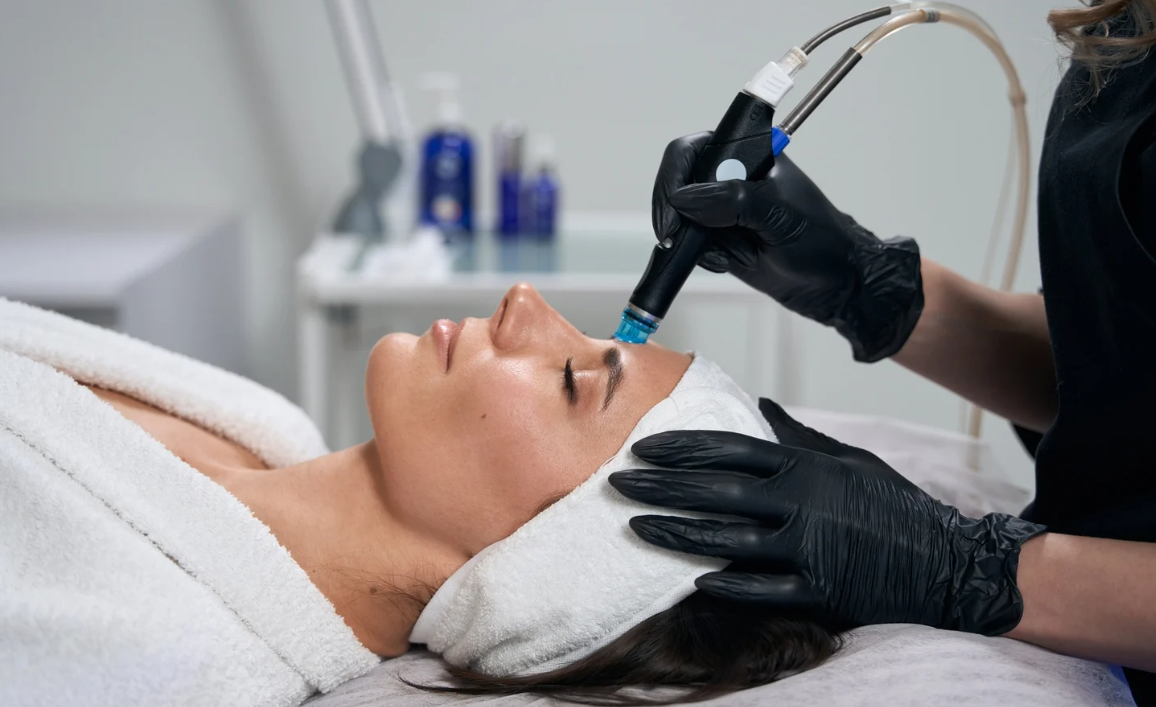
A Hydrafacial is a non-invasive skincare treatment that uses vortex suction technology to cleanse, exfoliate, extract impurities, and hydrate the skin in a single session. It delivers serums directly into the skin while simultaneously removing dirt, oil, and dead skin cells.
It is known for:
- Deep cleansing
- Painless extraction
- Instant hydration
- No downtime
Hydrafacial is gentle and suitable for almost all skin types.
What Is a Chemical Peel?
A chemical peel is a skin-resurfacing treatment that uses chemical solutions (such as glycolic acid, salicylic acid, or trichloroacetic acid) to remove the outer damaged layers of skin.
Depending on strength, chemical peels can be:
- Light peels (mild exfoliation)
- Medium peels (deeper skin penetration)
- Deep peels (intensive resurfacing)
Chemical peels help the skin peel off over several days, revealing new skin underneath.
Key Differences Between Hydrafacial and Chemical Peel
Although both treatments improve skin health, their approach is very different.
1. Treatment Method
Hydrafacial:
Uses a machine with suction technology to clean pores and infuse serums.
Chemical Peel:
Uses acidic solutions to chemically exfoliate and remove skin layers.
Hydrafacial is mechanical and hydrating, while chemical peel is chemical and resurfacing.
2. Level of Exfoliation
Hydrafacial:
Provides gentle exfoliation without damaging skin layers.
Chemical Peel:
Removes layers of skin depending on strength, from mild to deep peeling.
Chemical peels are generally more aggressive than Hydrafacial.
3. Pain and Comfort Level
Hydrafacial:
- Painless or mildly relaxing
- Feels like light suction and cooling
Chemical Peel:
- May cause burning, tingling, or stinging
- Deeper peels can be uncomfortable
Hydrafacial is more comfortable for most people.
4. Downtime and Recovery
Hydrafacial:
- No downtime
- Immediate return to normal activities
Chemical Peel:
- Possible peeling for several days
- Redness and sensitivity
- Requires healing time
Hydrafacial is a “lunchtime treatment,” while chemical peels require recovery.
5. Results Timeline
Hydrafacial:
- Immediate glow after one session
- Cumulative improvement over time
Chemical Peel:
- Results appear after skin peeling completes
- Stronger long-term results for certain concerns
Chemical peels may take days to show final results.
6. Skin Concerns Treated
Hydrafacial is best for:
- Blackheads and clogged pores
- Mild acne
- Oily skin
- Dullness
- Dehydration
- Early signs of aging
Chemical peel is best for:
- Acne scars
- Deep pigmentation
- Fine lines and wrinkles
- Sun damage
- Uneven skin tone
Chemical peels treat deeper skin issues.
7. Suitability for Skin Types
Hydrafacial:
- Suitable for all skin types
- Safe for sensitive skin
- Gentle on acne-prone skin
Chemical Peel:
- Requires careful selection based on skin type
- May not suit very sensitive skin
- Stronger peels need professional supervision
Hydrafacial is more universally safe.
8. Side Effects
Hydrafacial:
- Mild redness (temporary)
- Slight sensitivity
- No peeling
Chemical Peel:
- Peeling and flaking
- Redness and irritation
- Temporary skin sensitivity
Chemical peels have stronger visible side effects.
9. Hydration vs Resurfacing
Hydrafacial:
Focuses on hydration and skin nourishment while cleansing.
Chemical Peel:
Focuses on removing damaged skin layers to promote regeneration.
Hydrafacial improves glow instantly, while chemical peel focuses on skin renewal.
Hydrafacial vs Chemical Peel: Which One Is Better?
The answer depends on your skin goals.
Choose Hydrafacial if you want:
- Instant glow before an event
- Gentle deep cleansing
- Hydration boost
- No downtime
- Regular maintenance treatment
Choose Chemical Peel if you want:
- Treatment for acne scars
- Reduction in pigmentation
- Strong anti-aging results
- Deeper skin resurfacing
- Long-term skin correction
Both treatments can also be combined in a skincare plan under professional guidance.
Can You Combine Hydrafacial and Chemical Peel?
Yes, in many skincare routines, both treatments are used at different times.
For example:
- Hydrafacial for monthly maintenance and hydration
- Chemical peel occasionally for deeper correction
However, they should never be done on the same day, and spacing is important to avoid over-exfoliation.
Conclusion
Hydrafacial and chemical peels are both effective skincare treatments, but they serve different purposes. Hydrafacial is a gentle, hydrating, and instant-glow treatment with no downtime, making it ideal for regular maintenance and sensitive skin. Chemical peels, on the other hand, are stronger treatments designed for deeper skin concerns like scars, pigmentation, and advanced aging signs.
The best choice depends on your skin type, sensitivity, and goals. For quick results and regular care, Hydrafacial is ideal. For deeper correction and resurfacing, chemical peels offer more intensive benefits.
 English
 Arabic
 French
 Spanish
 Portuguese
 Deutsch
 Turkish
 Dutch
Dutch
 Italiano
 Russian
 Romaian
 Portuguese (Brazil)
 Greek
Greek
 Advertise With Us
 About Us
 Terms And Conditions
 Politique de confidentialité
Tout voir
Politique de confidentialité
Tout voir