English
 Arabic
 French
 Spanish
 Portuguese
 Deutsch
 Turkish
 Dutch
Dutch
 Italiano
 Russian
 Romaian
 Portuguese (Brazil)
 Greek
Greek
Luxury Tempo Traveller Rental Jaipur | Premium Group Travel
Travel |
2026-06-19 12:12:24
 Advertise With Us
 About Us
 Terms And Conditions
 Privacy Policy
See All
Privacy Policy
See All

Upgrade to Pro
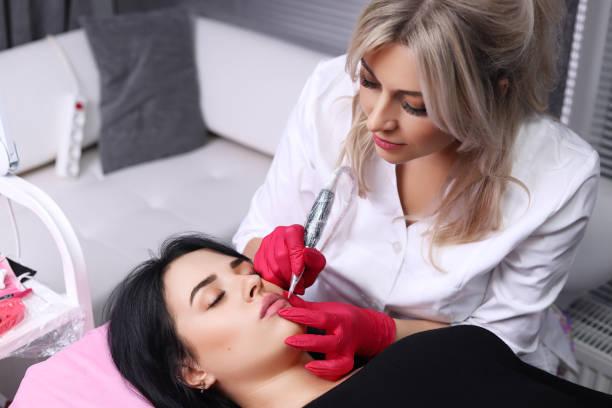
When residents seek Lip Pigmentation Treatment in Dubai, they are often faced with two primary clinical paths: advanced laser therapy or specialized chemical peeling. Both methods are designed to clear hyperpigmentation and restore a youthful, pinkish hue, but they operate on entirely different biological principles.
Choosing the wrong method for your specific skin type or pigment depth can lead to underwhelming results or, in some cases, increased sensitivity. This guide provides a medical comparison to help you determine which approach aligns with your goals and lifestyle in the UAE.
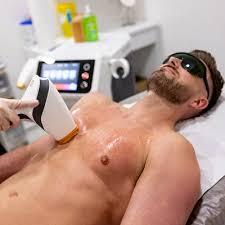
Laser therapy, specifically using Pico or Q-Switch technology, is a "physical" approach to pigment removal. It uses high-energy light pulses to penetrate the thin lip tissue and target melanin clusters directly.
Clinical observation shows that lasers are best suited for deep-seated, stubborn pigment that has accumulated over years. The laser does not "peel" the skin away; rather, it shatters the internal pigment, which your body then absorbs. This makes it a highly precise tool for targeting specific dark spots or an uneven vermilion border without affecting the surrounding skin.
Chemical peeling is a "biochemical" approach. At Tajmeels Clinic, we use "lip-specific" peels containing mild acids like Lactic, Mandelic, or Kojic acid. Unlike body peels, these are formulated with a lower pH to respect the lack of oil glands in the lips.
Patients often report that chemical peels feel more like a traditional facial treatment. The acid dissolves the "glue" holding dead, pigmented cells to the surface. This triggers a rapid renewal process, forcing the skin to produce fresh, unpigmented cells. While lasers target the pigment inside the skin, peels focus on resurfacing the skin from the outside in.
The "feeling" of the two treatments is one of the most common points of comparison for our patients.
Laser Sensations: During the session, you will feel a "pinging" sensation, followed by a heat-like glow for 1–2 hours. There is typically no visible peeling, though "micro-crusting" (tiny dark flakes) may appear after a few days.
Chemical Peel Sensations: You will feel a mild tingling or itching for 3–5 minutes while the peel is active. Recovery involves a "tight" feeling followed by visible flaking (similar to chapped lips) for 3–4 days.
Dermatologists generally categorize the choice based on the "Fitzpatrick Scale" and the history of the pigment.
Choose Laser if: You have deep "smoker’s lips," genetic darkening, or distinct sun spots. It is also the preferred method for those who want faster results with fewer sessions.
Choose Chemical Peel if: Your lips are generally "dull" or sallow rather than dark. Peels are also excellent for those with extremely dry lips, as the acids (particularly Lactic acid) help increase the skin's natural moisturizing factors.
In the fast-paced Dubai environment, laser treatments are currently the more popular choice. This is primarily due to the "zero-downtime" nature of modern Pico lasers. Residents often prefer a 10-minute laser session that allows them to return to work immediately without the visible "peeling" stage associated with chemical acids. However, for patients seeking a more cost-effective entry point into lip lightening, chemical peels remain a staple clinical offering.
At Tajmeels Clinic, we don't believe in a "one-size-fits-all" approach to Lip Pigmentation Treatment in Dubai. During your initial consultation, we perform a digital skin analysis to determine the exact depth of your melanin. Whether you require the high-tech precision of a Picosecond laser or the hydrating exfoliation of a medical-grade lip peel, our experts ensure the treatment is calibrated to your comfort level and skin type.
Yes, this is a common clinical strategy known as "combination therapy." We often perform a laser session to shatter deep pigment and follow up two weeks later with a mild peel to refine the surface texture and brighten the overall tone.
Both are safe when performed by a specialist. However, for Fitzpatrick IV-VI skin, we often recommend Pico lasers because they use "pressure" instead of "heat," which significantly reduces the risk of post-inflammatory hyperpigmentation (PIH) compared to certain deep chemical peels.
Generally, you will need more sessions with a chemical peel (typically 6–8) to achieve the same lightening effect that a laser can provide in 3–4 sessions. Peels are a more gradual "buffing" of the skin tone.
In Dubai, laser treatments typically carry a higher per-session cost due to the advanced technology involved. Chemical peels are generally more affordable but may require more frequent visits to reach the final goal.
Both treatments temporarily thin the stratum corneum (the protective outer layer), making your lips more "photo-sensitive." Regardless of the method you choose, wearing a lip balm with SPF 50 is mandatory for at least 14 days post-treatment.
If you have a lip tattoo or "lip blush," laser treatment is usually avoided as it can change the color of the tattoo ink or cause it to fade. Chemical peels are a safer alternative for brightening the skin around permanent makeup without affecting the pigment.