English
 Arabic
 French
 Spanish
 Portuguese
 Deutsch
 Turkish
 Dutch
Dutch
 Italiano
 Russian
 Romaian
 Portuguese (Brazil)
 Greek
Greek
Tenis On Cloud para actividades diarias
Shopping |
2026-06-29 07:05:45
 Advertise With Us
 About Us
 Terms And Conditions
 Политика конфиденциальности
Смотреть все
Политика конфиденциальности
Смотреть все

Обновить до Про
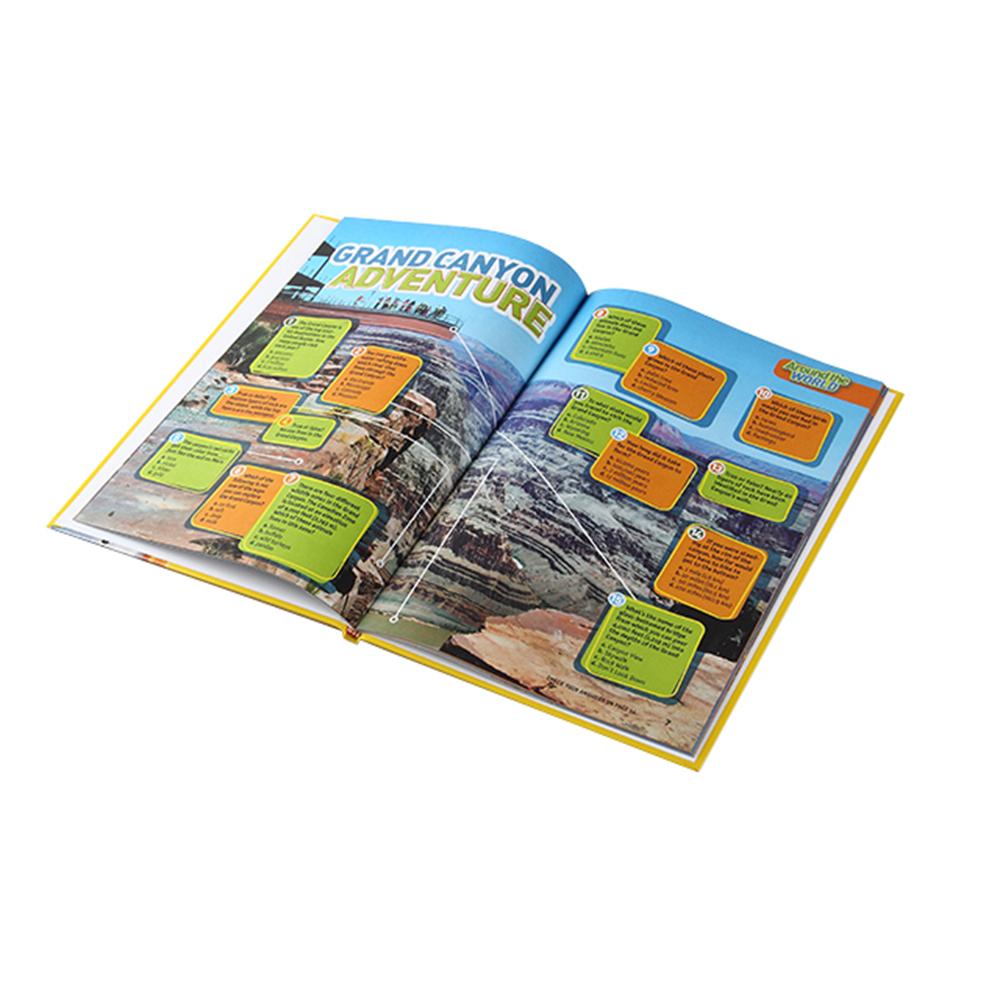
The complete children's book publishing process involves writing and refining a manuscript, professional editing, choosing between traditional publishing and self-publishing, creating illustrations and book designs, printing and production, distribution, marketing, and bookstore placement. Depending on the publishing route, the process can take anywhere from six months to two years. Authors who understand each stage of publishing are better equipped to create high-quality books that meet industry standards and reach their intended audience.
Publishing a children's book is an exciting journey that transforms a creative idea into a product that can educate, entertain, and inspire young readers. However, many aspiring authors underestimate the number of steps involved between writing a manuscript and seeing a finished book on a bookstore shelf. Understanding the complete publishing process can help authors make informed decisions, avoid common mistakes, and improve their chances of success.
The children's publishing industry continues to grow as parents, educators, and schools seek engaging and educational content for young readers. According to industry reports, children's books consistently represent a significant segment of the global publishing market, with thousands of new titles released annually. As competition increases, authors must understand how children's book publishers evaluate manuscripts, develop books, and bring them to market.
Children's book publishing involves much more than writing a story. It includes manuscript development, editing, illustration, design, printing, distribution, and marketing. Each stage contributes to creating a professional-quality book that meets industry standards and reader expectations.
Before starting the publishing journey, authors should identify their target audience. Children's books are generally divided into several categories:
Choosing the correct category influences word count, storytelling style, illustrations, and publishing requirements.
Every successful children's book begins with a well-developed manuscript. While creativity is essential, market awareness is equally important. Today's publishers look for stories that resonate with young readers while addressing themes that parents and educators value.
A strong manuscript should feature age-appropriate language, engaging characters, and a clear story structure. Whether the book is educational, entertaining, or both, it should maintain a balance between readability and meaningful content.
Before submitting a manuscript, authors should invest time in self-editing. This process may include:
Many successful children's authors also seek feedback from critique groups, beta readers, or professional editors before moving forward.
Editing is one of the most important stages of children's book publishing. Even experienced writers benefit from professional editorial feedback.
Professional editing generally includes several levels:
Research within the publishing industry suggests that professionally edited books often receive better reader reviews and experience fewer publication issues. Editing helps ensure that the manuscript meets the quality expectations of readers, educators, and publishing professionals.
One of the biggest decisions authors face is choosing between traditional publishing and self-publishing.
Traditional publishing involves submitting manuscripts to publishers or literary agents. If accepted, the publisher typically handles editing, design, production, distribution, and portions of marketing. While this route offers professional support and industry credibility, it can be highly competitive.
Self-publishing allows authors to maintain creative control and publish on their own timeline. However, they are responsible for managing or outsourcing various publishing tasks.
When deciding between the two options, authors should consider:
Both publishing models have produced successful children's books, making the right choice dependent on individual circumstances.
For authors pursuing traditional publishing, finding the right literary agent or publisher is often the next step.
Publishers evaluate manuscripts based on several factors, including originality, market demand, writing quality, and audience appeal. Many publishers receive thousands of submissions each year, making competition intense.
A strong submission package typically includes:
Industry estimates suggest that securing a traditional publishing contract can take several months to more than a year. Patience and persistence are often necessary during this phase.
Illustrations play a crucial role in many children's books, particularly picture books. Visual storytelling helps young readers understand narratives, engage emotionally with characters, and remain interested throughout the reading experience.
Authors and publishers typically collaborate with professional illustrators to develop artwork that complements the manuscript. In addition to illustrations, book design includes typography, page layout, and cover creation.
Important design considerations include:
Studies have shown that cover design significantly influences purchasing decisions, particularly in children's publishing where visual appeal is often a major factor.
Once editing and design are complete, the book enters the production stage. This process transforms digital files into physical books or digital editions.
Production tasks commonly include:
At this stage, many authors choose a professional book publishing service to assist with technical aspects such as formatting, printing coordination, and distribution setup. These services can help streamline production while ensuring industry-standard quality.
Authors generally choose between two printing methods:
Benefits include:
Benefits include:
The best option depends on expected sales volume and budget considerations.
Publishing a book is only part of the process. Readers must also be able to find and purchase it.
Book distribution refers to the channels that move books from publishers to retailers, libraries, schools, and consumers. Effective distribution significantly impacts a book's visibility and sales potential.
Common distribution channels include:
Traditional publishers often have established distribution networks, while self-published authors may rely on distribution platforms and wholesale programs.
According to industry data, online sales continue to represent a growing portion of children's book purchases, making digital visibility increasingly important.
Many first-time authors assume marketing begins after publication. In reality, successful book promotion often starts months before launch.
Building an audience early can improve visibility and increase initial sales momentum. Effective marketing strategies vary depending on the target audience and publishing model.
Common marketing activities include:
Marketing is particularly important because thousands of children's books enter the market every year. Consistent promotion helps books remain visible long after launch.
Securing bookstore placement is a goal for many authors. However, bookstores evaluate books carefully before adding them to their inventory.
Factors bookstores often consider include:
Building relationships with independent bookstores and participating in community events can increase opportunities for bookstore placement.
While publishing can be rewarding, authors frequently encounter obstacles along the way.
Some of the most common challenges include:
Understanding these challenges beforehand allows authors to develop realistic expectations and stronger publishing strategies.
Publishing timelines vary widely depending on the publishing route and project complexity.
Typical timeline estimates include:
A traditionally published children's book may take 12–24 months from submission to release, while self-publishing can often be completed within several months.
Scenario:
An aspiring author completed a 700-word picture book aimed at children aged 4–7. Instead of immediately submitting the manuscript, the author spent two months refining the story through beta-reader feedback and professional editing.
Publishing Process:
After completing revisions, the author hired an illustrator and finalized the book design. The project moved through ISBN registration, printing preparation, and distribution setup before launching through online retailers and local bookstores.
Results and Lessons Learned:
Within the first six months, the book secured placements in several local libraries and schools. The key factors behind its success were professional editing, high-quality illustrations, early marketing efforts, and a clear understanding of the target audience. This example highlights how following a structured publishing process can improve a children's book's chances of reaching readers successfully.
The process of children's book publishing involves much more than writing a manuscript. Authors must navigate editing, illustration, publishing decisions, production, distribution, and marketing before reaching bookstore shelves. While the journey can be complex, understanding each stage increases the likelihood of creating a professional, market-ready book. Whether pursuing traditional publishing or self-publishing, success often comes from careful planning, professional preparation, and a commitment to delivering value to young readers. By approaching publishing as a structured process rather than a single event, authors can build stronger books and improve their chances of long-term success in the children's publishing industry.
What is the first step in children's book publishing?
The first step is writing and refining a manuscript that matches the intended age group. Authors should focus on storytelling, readability, and market expectations before considering publication. A polished manuscript creates a stronger foundation for every stage that follows.
How long does it take to publish a children's book?
The publishing timeline varies based on the publishing route and project complexity. Traditional publishing may take 12–24 months, while self-publishing can often be completed in a few months. Editing, illustrations, and production significantly influence the overall timeline.
Do children's books need professional editing?
Yes, professional editing helps improve story structure, language, consistency, and overall quality. Even experienced writers benefit from editorial feedback before publication. Well-edited books are more likely to meet industry standards and satisfy reader expectations.
Should I choose traditional publishing or self-publishing?
Traditional publishing offers professional support, distribution networks, and industry credibility. Self-publishing provides greater creative control and faster publication timelines. The right choice depends on an author's goals, budget, and long-term publishing strategy.
How much does it cost to publish a children's book?
Publishing costs can range from a few hundred to several thousand dollars depending on editing, illustration, design, printing, and marketing needs. Picture books often require a larger budget because of illustration expenses. Planning costs early helps authors avoid unexpected financial challenges.