Healing Stages After Fat Removal Procedures
Introduction
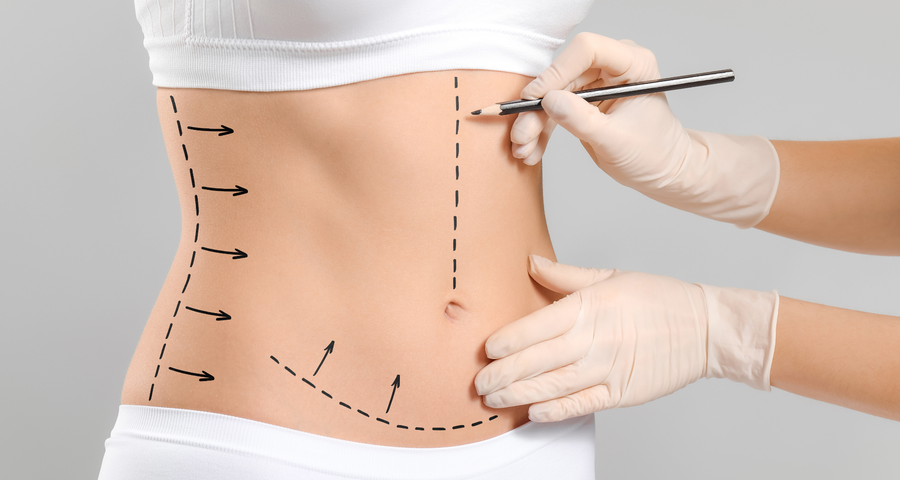
Healing after fat removal procedures such as liposuction is a gradual process that unfolds in clearly defined stages. While modern techniques used in cosmetic surgery are designed to reduce downtime and improve comfort, the body still needs time to recover from tissue disruption, fluid changes, and swelling.
Understanding the healing stages helps patients set realistic expectations, reduce anxiety, and follow proper aftercare routines. Each stage has its own physical changes, sensations, and care requirements, and the final results only become fully visible once healing is complete. Liposuction in Riyadh is a popular cosmetic procedure for people seeking targeted fat reduction and improved body contouring results.
Stage 1: Immediate Post-Procedure Phase (First 24–72 Hours)
The first few days after a fat removal procedure are the most sensitive and important for early recovery.
During this stage, the body reacts to surgical changes, and patients commonly experience:
- Swelling in treated areas
- Bruising and discoloration
- Mild to moderate pain or discomfort
- Fluid drainage from small incision sites
- Fatigue due to anesthesia
Compression garments are usually applied immediately after the procedure to control swelling and support tissues.
Rest is essential during this phase, although light walking is often encouraged to improve blood circulation and reduce the risk of complications such as blood clots.
Stage 2: Early Healing Phase (First Week)
The first week marks the beginning of active healing. The body starts adjusting to the removal of fat cells, and inflammation begins to stabilize.
Common experiences include:
- Swelling reaching its peak within the first few days
- Gradual reduction in pain
- Tightness or firmness in treated areas
- Bruising becoming more visible before fading slowly
Patients are usually advised to:
- Wear compression garments continuously
- Avoid strenuous activity
- Follow medication instructions carefully
- Attend follow-up appointments if scheduled
Although discomfort decreases, the treated area still looks swollen and does not reflect final results.
Stage 3: Early Recovery Phase (Weeks 2–3)
During this phase, visible improvement begins to appear as swelling slowly decreases.
Typical changes include:
- Noticeable reduction in bruising
- Improved mobility and comfort
- Decreased tenderness in treated areas
- Early contour changes becoming visible
Many patients start returning to light daily activities or work, depending on the extent of the procedure.
However, internal healing is still ongoing, and compression garments remain important for proper shaping and support.
Stage 4: Intermediate Healing Phase (Weeks 4–6)
This stage marks a significant turning point in recovery.
At this stage:
- Swelling continues to reduce steadily
- Skin begins adjusting to new body contours
- Firm or lumpy areas may feel softer over time
- Body shape becomes more noticeable and refined
Most patients can gradually resume exercise and normal routines with medical approval.
Although results are improving, the body is still healing internally, and subtle swelling may persist.
Stage 5: Advanced Healing Phase (Months 2–3)
By this stage, most visible healing has taken place, and results become more apparent.
Common developments include:
- Major reduction in swelling
- More defined body contours
- Improved skin adaptation to underlying tissues
- Return of normal sensation in most areas
This is often when patients feel satisfied with early results, as the body appears noticeably slimmer and more sculpted.
However, final refinement is still in progress.
Stage 6: Final Healing Phase (Months 3–6)
This phase represents the final stage of visible healing.
During this period:
- Residual swelling fully resolves
- Skin tightens further and smooths out
- Minor irregularities continue to improve
- Final body shape becomes clearly visible
By the end of this stage, most patients achieve their final aesthetic outcome. The results appear more natural, balanced, and stable.
Stage 7: Long-Term Stabilization (After 6 Months)
After six months, the body is generally considered fully healed, although minor improvements may continue up to a year in some cases.
At this stage:
- Results are stable and long-lasting
- Skin and tissues have fully adapted
- Final contour is established
- Sensation is fully restored in most areas
Maintaining results now depends on lifestyle habits rather than healing processes.
Factors That Influence Healing Speed
Healing timelines can vary from person to person depending on several factors:
- Amount of fat removed
- Number of treated areas
- Surgical technique used
- Age and skin elasticity
- Overall health and metabolism
- Adherence to post-operative instructions
Patients who follow aftercare guidelines carefully often experience smoother and faster recovery.
Common Sensations During Healing
It is normal to experience a range of sensations during recovery, including:
- Tightness in treated areas
- Temporary numbness or tingling
- Mild discomfort when moving
- Uneven texture during early healing stages
These sensations gradually improve as nerves and tissues recover.
Importance of Post-Operative Care
Proper aftercare significantly influences healing quality and final results.
Key care practices include:
- Wearing compression garments as instructed
- Staying hydrated and eating a balanced diet
- Avoiding smoking and alcohol
- Attending follow-up appointments
- Avoiding strenuous activity too early
Good aftercare reduces complications and improves aesthetic outcomes.
Conclusion
Healing after fat removal procedures follows a structured and predictable timeline, beginning with initial swelling and discomfort and progressing toward gradual contour improvement and final stabilization. While early changes can be seen within weeks, full results typically take several months to develop.
Understanding each healing stage helps patients manage expectations and actively support their recovery process. With proper care, patience, and adherence to medical guidance, fat removal procedures can deliver smooth, natural-looking, and long-lasting body contouring results.
 English
 Arabic
 French
 Spanish
 Portuguese
 Deutsch
 Turkish
 Dutch
Dutch
 Italiano
 Russian
 Romaian
 Portuguese (Brazil)
 Greek
Greek
 Advertise With Us
 About Us
 Terms And Conditions
 Política de Privacidade
Ver Todos
Política de Privacidade
Ver Todos