English
 Arabic
 French
 Spanish
 Portuguese
 Deutsch
 Turkish
 Dutch
Dutch
 Italiano
 Russian
 Romaian
 Portuguese (Brazil)
 Greek
Greek
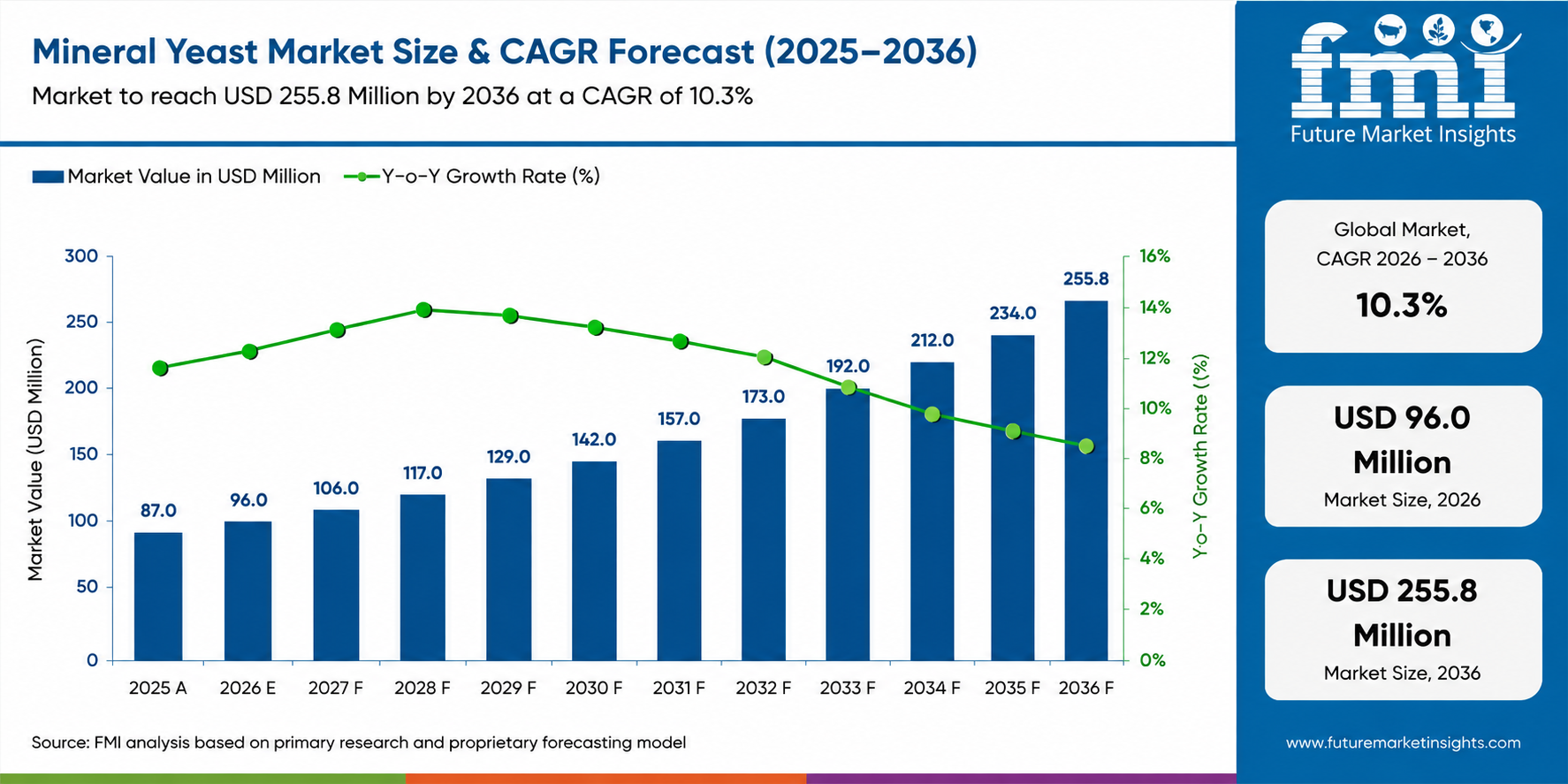
Mineral Yeast Market Research Report 2036 Covers Key Drivers, Innovations, and Competitive Landscape
Food |
2026-05-11 16:43:57
 Advertise With Us
 About Us
 Terms And Conditions
 Privacy Policy
Mostra tutti i risultati
Privacy Policy
Mostra tutti i risultati

Passa a Pro
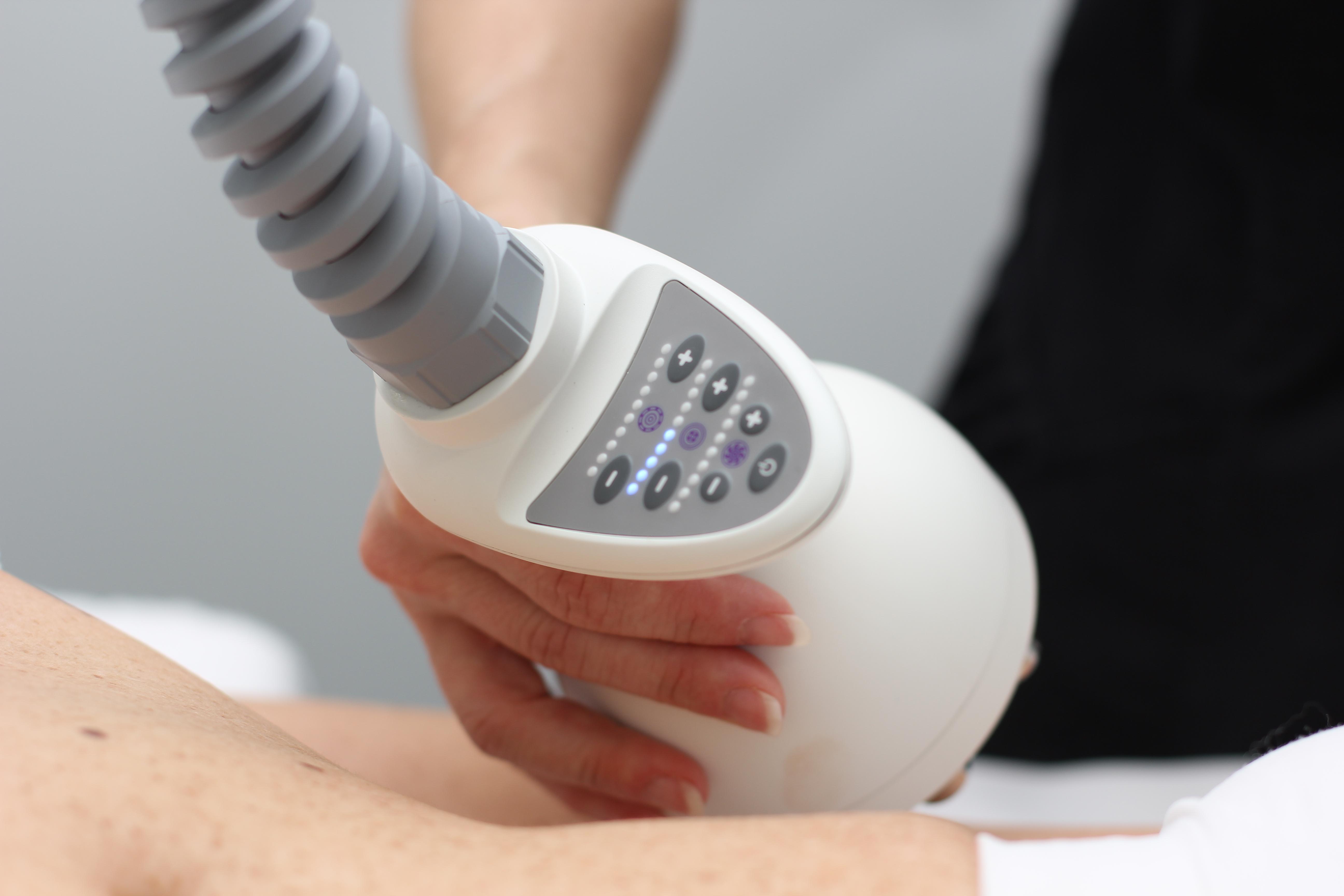
Venus Legacy is a non-invasive skin tightening and body contouring treatment that works by stimulating collagen production, improving circulation, and remodeling soft tissue over time. While a full treatment plan can deliver noticeable improvements in skin firmness, cellulite reduction, and body contour, the results are not completely permanent. This is why maintenance sessions play an important role in preserving and extending outcomes. Venus Legacy in Riyadh is a popular non-invasive treatment option for skin tightening and body contouring using advanced radiofrequency technology. Understanding how maintenance works helps set realistic expectations and ensures long-term benefits remain stable and natural-looking.
Venus Legacy works by triggering the body’s natural collagen-building process. However, collagen is not static—it continuously breaks down and regenerates as part of the natural aging process.
After completing a treatment plan:
Maintenance sessions help reactivate collagen production and slow down the return of laxity or cellulite.
Most patients begin maintenance after completing their initial treatment course, which typically includes 6 to 10 sessions depending on the treatment area and goals.
Some individuals with better skin elasticity may require less frequent maintenance, while others may need more regular sessions.
Maintenance sessions are not the same as the initial treatment phase. Instead of building new collagen from scratch, they focus on preserving and enhancing existing results.
Think of maintenance as a “refresh” for the skin’s collagen structure.
This distinction is important because maintenance is less intensive but still essential.
The frequency of maintenance depends on individual factors:
Different areas of the body respond differently to maintenance.
Maintenance sessions feel similar to regular Venus Legacy treatments but are often shorter or less intensive.
During a session:
There is still no downtime, and normal activities can resume immediately.
Maintenance sessions help maintain a stable aesthetic result rather than creating dramatic change.
After maintenance, patients typically notice:
In many cases, maintenance makes results appear “long-term natural” rather than temporary.
Even with maintenance sessions, lifestyle plays a major role in how long results last.
In climates like Saudi Arabia, where heat and sun exposure are high, maintenance becomes even more important for preserving collagen.
Yes, maintenance is optional—but stopping it does not mean immediate loss of results.
Instead:
Maintenance simply slows this process and helps extend visible improvements.
Venus Legacy maintenance sessions are considered safe for long-term use when performed correctly.
It is commonly used as a long-term skin management approach rather than a one-time procedure.
Maintenance sessions are a key part of sustaining the results of Venus Legacy treatment. While the initial treatment plan builds collagen, tightens skin, and improves body contour, maintenance ensures these improvements last longer and remain consistent over time.
Typically performed every 3 to 6 months, maintenance sessions help preserve skin firmness, reduce cellulite recurrence, and maintain smooth, youthful contours. In environments with strong environmental stress such as heat and sun exposure, regular maintenance becomes even more important for long-term success.
Ultimately, Venus Legacy is not just a short-term treatment—it works best as part of an ongoing skin maintenance strategy that keeps results natural, stable, and long-lasting.