English
 Arabic
 French
 Spanish
 Portuguese
 Deutsch
 Turkish
 Dutch
Dutch
 Italiano
 Russian
 Romaian
 Portuguese (Brazil)
 Greek
Greek
How Regular Affordable Pet Grooming in Qatar Saves Money Long-Term
Other |
2026-08-05 05:28:55
 Advertise With Us
 About Us
 Terms And Conditions
 Politique de confidentialité
Tout voir
Politique de confidentialité
Tout voir

Mise à niveau vers Pro
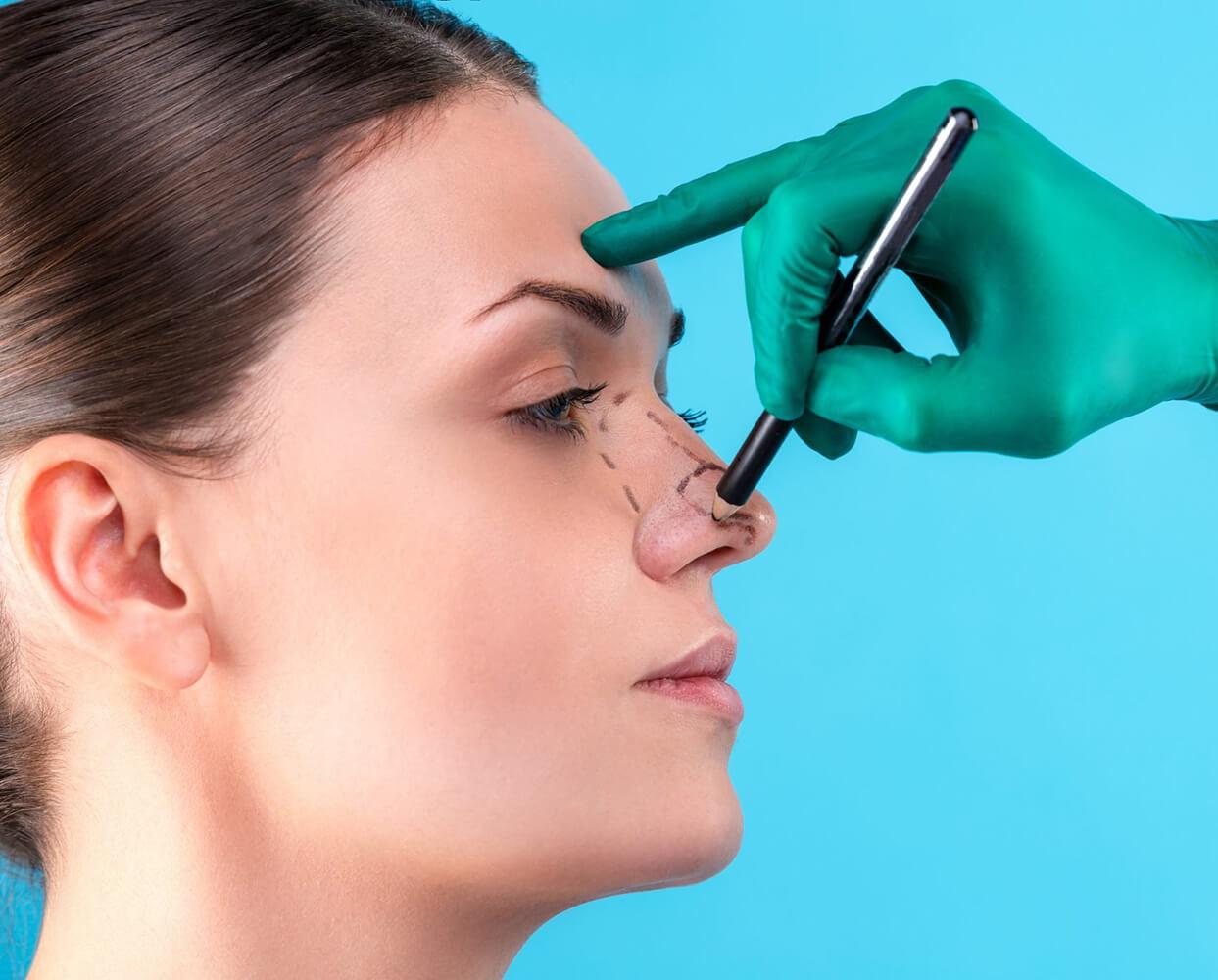
Pain after rhinoplasty is one of the most common concerns for patients preparing for nose surgery. The idea of facial surgery often creates anxiety about severe discomfort, but in reality, rhinoplasty pain is usually mild to moderate and manageable with proper care.
Most patients describe the sensation not as sharp pain but as pressure, congestion, and tightness around the nose. Effective pain management is an essential part of recovery, helping patients stay comfortable, sleep better, and heal more efficiently. Rhinoplasty in Riyadh is a popular procedure for individuals seeking to improve both the appearance and function of their nose.
Understanding what to expect and how to manage discomfort can make the recovery process significantly easier.
Rhinoplasty is performed under anesthesia, so there is no pain during the procedure itself. Discomfort begins after surgery as the anesthesia wears off and swelling develops.
Common sensations include:
Most patients report that discomfort peaks within the first 48 to 72 hours and then gradually improves over the following days.
The initial three days after surgery are usually the most uncomfortable period. Swelling begins to develop, and the body responds to surgical trauma.
During this phase, patients may experience:
Pain medication prescribed by the surgeon is typically most important during this period. Most patients find that discomfort is well controlled when medications are taken on schedule.
Surgeons usually prescribe pain relief medications tailored to the patient’s needs. These may include mild analgesics or stronger medications for short-term use.
Key points about medication use:
Most patients only require prescription pain relief for a few days before switching to over-the-counter options.
After the initial recovery phase, many patients transition to milder pain relievers. These help manage residual discomfort and inflammation.
Commonly used options may include:
It is important to avoid medications that increase bleeding risk unless specifically approved by the surgeon.
Cold compresses are one of the most effective non-medication methods for reducing pain and swelling in the early recovery period.
Benefits include:
However, it is important to apply cold compresses carefully:
Proper use can significantly improve comfort during the first few days.
Sleeping position plays a major role in pain and swelling management. Keeping the head elevated helps reduce pressure in the nasal area.
Recommended practices include:
Elevation helps reduce fluid buildup, which in turn decreases discomfort and congestion.
One of the most uncomfortable aspects of rhinoplasty recovery is nasal blockage. This sensation is often mistaken for pain but is primarily due to swelling and internal healing.
To manage congestion:
Breathing typically improves gradually as internal swelling decreases.
Swelling is closely linked to discomfort. The more swelling present, the more pressure and tightness patients feel.
To reduce swelling:
Swelling typically peaks within the first few days and then slowly subsides over several weeks.
Physical activity can increase blood flow to the face, worsening swelling and discomfort. For this reason, activity restriction is an important part of pain management.
Patients should avoid:
Light walking is usually encouraged, but anything that increases heart rate significantly should be avoided in early recovery.
Pain perception is closely linked to emotional state. Anxiety can make discomfort feel worse, while a calm environment supports easier recovery.
Helpful strategies include:
Understanding that swelling and pressure are temporary also helps reduce stress.
Mild to moderate discomfort is expected after rhinoplasty, but severe or worsening pain may indicate a problem.
Normal symptoms include:
Signs that require medical attention include:
Patients should always follow up with their surgeon if they are unsure about symptoms.
After the first week, most patients experience a significant reduction in discomfort. However, minor sensitivity and swelling may persist for several weeks or months.
Long-term comfort improves as:
Final results and full comfort typically develop over several months.
Pain after rhinoplasty is usually manageable, predictable, and temporary. Most patients experience pressure and congestion rather than severe pain, with the highest level of discomfort occurring in the first few days after surgery.
Effective pain management combines medication, cold compresses, head elevation, rest, and careful activity control. Emotional calm and proper expectations also play an important role in recovery.