Rhinoplasty is a surgical procedure that reshapes or reconstructs the nose to improve its appearance, function, or both. It is one of the most detailed facial surgeries because the nose plays a central role in facial balance and breathing function. Even small adjustments can significantly influence overall facial harmony.
For individuals considering rhinoplasty in Riyadh, it is important to understand whether they are suitable candidates before moving forward. Not everyone is immediately ready for this procedure, and proper evaluation helps ensure safe surgery and satisfying results.
This guide explains who the ideal candidate for rhinoplasty is and what factors are considered before treatment.
Understanding Rhinoplasty
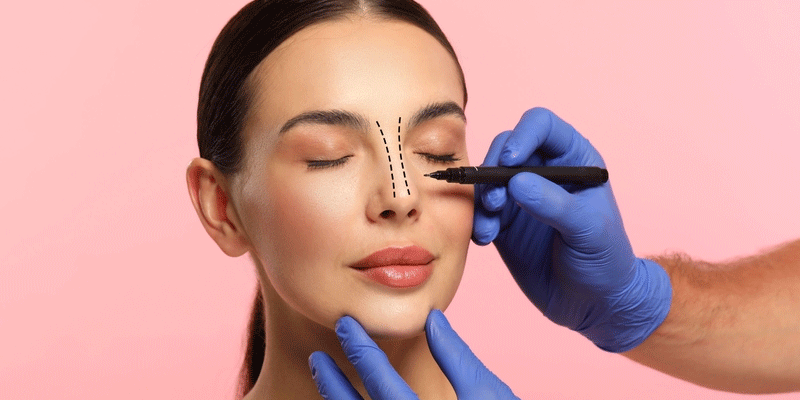
Rhinoplasty is a surgical procedure that modifies the structure of the nose by reshaping bone, cartilage, and soft tissues. It can be performed for cosmetic improvement, functional correction, or a combination of both.
Common goals of rhinoplasty include:
- Improving nasal shape
- Refining the nasal tip
- Reducing a hump on the bridge
- Correcting asymmetry
- Enhancing facial harmony
- Improving breathing function
- Repairing nasal injuries
The goal is to create a nose that looks natural and fits the face proportionally.
Physical Requirements for an Ideal Candidate
Certain physical conditions are important when determining eligibility for rhinoplasty.
Completed Facial Growth
An ideal candidate should have fully developed facial bones.
- Typically applies to adults
- Ensures stable long-term results
- Prevents changes in facial structure after surgery
Good Overall Health
Candidates should be in generally good health.
This includes:
- No serious uncontrolled medical conditions
- Ability to heal properly after surgery
- No active infections
Healthy individuals tend to recover more smoothly.
Healthy Skin and Nasal Structure
Skin type and nasal anatomy influence surgical planning.
- Skin thickness affects final definition
- Cartilage strength impacts shape stability
- Bone structure determines surgical approach
These factors are carefully assessed before surgery.
Psychological and Emotional Readiness
Emotional readiness is just as important as physical suitability.
Realistic Expectations
An ideal candidate should understand:
- Results improve appearance but do not create perfection
- Every nose has natural limitations
- Final results take time to develop
Realistic expectations lead to higher satisfaction.
Stable Emotional Condition
Candidates should:
- Be mentally prepared for surgery
- Understand the recovery process
- Be comfortable with gradual healing
Rhinoplasty is a transformation that requires patience.
Cosmetic Concerns That Make Someone a Candidate
Many people choose rhinoplasty to improve specific aesthetic concerns.
Nasal Shape Issues
Candidates may feel unhappy with:
- A nasal hump
- Wide or bulky nose
- Drooping tip
- Asymmetry
- Over-projection or under-projection
Facial Imbalance
The nose may appear out of proportion with other features such as:
Rhinoplasty can improve overall facial harmony.
Functional Concerns That Make Someone a Candidate
Rhinoplasty is not only cosmetic. Many patients seek it for breathing improvement.
Breathing Difficulties
Common issues include:
- Nasal blockage
- Difficulty breathing through one or both nostrils
- Reduced airflow during activity
Structural Problems
Some functional concerns include:
- Deviated septum
- Nasal valve collapse
- Internal nasal obstruction
Correcting these issues can improve daily comfort and sleep quality.
Candidates for Combined Cosmetic and Functional Rhinoplasty
Many patients benefit from both aesthetic and functional improvements at the same time.
Ideal combined candidates often want to:
- Improve nose shape
- Fix breathing issues
- Enhance facial balance
- Correct structural defects
This combined approach is very common and efficient.
Who May Not Be an Ideal Candidate
Rhinoplasty may not be suitable for everyone immediately.
Unrealistic Expectations
Patients expecting:
- Perfect symmetry
- Dramatic transformation beyond natural limits
may not be ideal candidates until expectations are aligned.
Poor General Health
Individuals with:
- Uncontrolled medical conditions
- Poor healing ability
- Active infections
may need to delay surgery.
Very Young Patients
Since facial growth must be complete, younger individuals may need to wait until development is finished.
Lifestyle Factors That Affect Candidacy
Certain habits can influence healing and eligibility.
Smoking
Smoking can:
- Slow healing
- Increase complications
- Affect final results
Patients are often advised to stop before surgery.
Medication Use
Some medications may need adjustment before surgery to reduce risks.
Importance of Facial Analysis
Every candidate undergoes a detailed facial evaluation.
This includes:
- Nose proportions
- Skin thickness
- Facial symmetry
- Profile balance
- Overall facial structure
This analysis ensures that results will complement the individual’s natural features.
Benefits of Being a Good Candidate
Ideal candidates typically experience:
- Smoother recovery
- More predictable results
- Higher satisfaction
- Better long-term outcomes
Proper selection is key to successful rhinoplasty.
What Ideal Candidates Can Expect
Suitable candidates can expect:
- Improved nasal appearance
- Better facial harmony
- Enhanced confidence
- Possible breathing improvement
- Long-lasting results
The goal is a natural and balanced enhancement rather than a dramatic change.
Conclusion
Understanding who is an ideal candidate for rhinoplasty in Riyadh is an important step before considering the procedure. Suitable candidates are typically healthy individuals with realistic expectations who want to improve nasal appearance, correct functional issues, or both.
Rhinoplasty works best when it is carefully planned based on facial structure, personal goals, and overall health. When these factors are aligned, patients can achieve natural-looking, balanced, and long-lasting results that enhance both appearance and quality of life.
 English
 Arabic
 French
 Spanish
 Portuguese
 Deutsch
 Turkish
 Dutch
Dutch
 Italiano
 Russian
 Romaian
 Portuguese (Brazil)
 Greek
Greek
 Advertise With Us
 About Us
 Terms And Conditions
 Privacy Policy
Mostra tutti i risultati
Privacy Policy
Mostra tutti i risultati