English
 Arabic
 French
 Spanish
 Portuguese
 Deutsch
 Turkish
 Dutch
Dutch
 Italiano
 Russian
 Romaian
 Portuguese (Brazil)
 Greek
Greek
Thread Lift in Dubai: Procedure and Benefits Explained
Health |
2026-07-30 11:02:08
 Advertise With Us
 About Us
 Terms And Conditions
 Política de privacidade
Ver todos
Política de privacidade
Ver todos

Atualizar para Plus
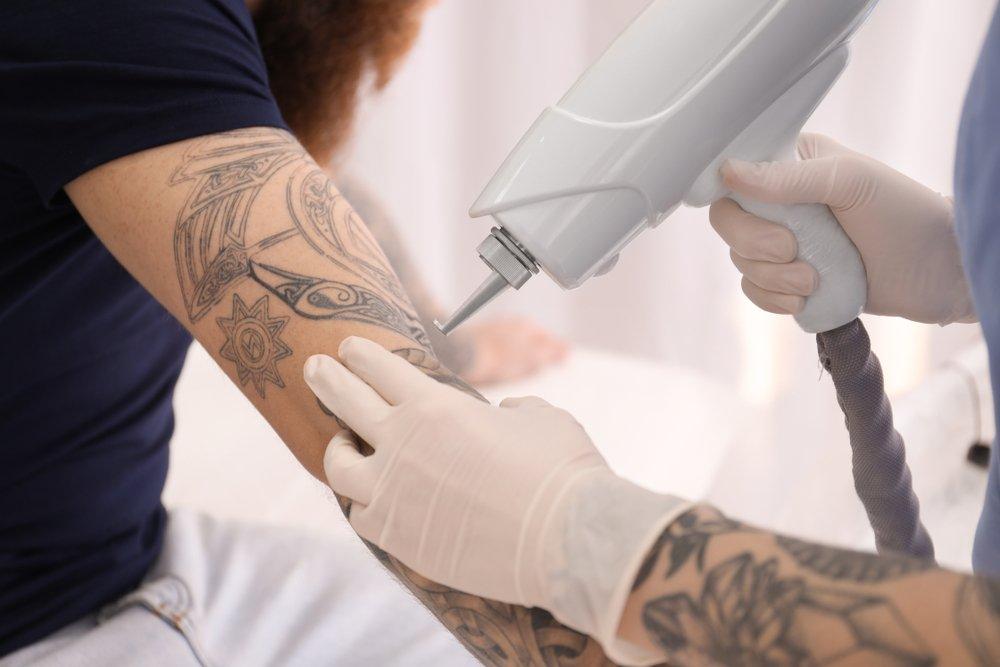
Tattoo removal has evolved significantly over the years, moving from highly invasive and often unpredictable methods to modern, precise technologies. Today, laser tattoo removal is considered the gold standard in cities like Riyadh, but it is not the only option available.
Other techniques such as surgical excision, dermabrasion, and chemical methods are still used in specific cases. Each method has its own advantages, limitations, recovery time, and suitability depending on the tattoo type and patient goals. Tattoo removal in Riyadh offers individuals a safe and effective way to reduce or eliminate unwanted tattoos using modern treatment techniques.
Understanding how laser tattoo removal compares to other techniques helps you choose the safest and most effective option for your situation.
There are four main categories of tattoo removal techniques:
Among these, laser treatment is the most widely used and advanced option.
Laser tattoo removal uses concentrated light energy to break tattoo ink into tiny particles. These particles are then gradually removed by the body’s immune system over time.
Different laser types are used depending on ink color and skin type, including:
Laser tattoo removal is preferred because it offers:
Laser removal is considered the most balanced method in terms of safety, effectiveness, and cosmetic outcome. It is the first choice for most patients in Riyadh.
Surgical excision involves physically cutting out the tattooed skin and stitching the remaining skin together. It is typically performed under local anesthesia.
Surgical excision is usually recommended for:
While surgical excision is faster in terms of removal, it sacrifices cosmetic appearance due to scarring. Laser removal, although slower, preserves skin integrity much better.
Dermabrasion removes tattoo ink by physically sanding or scraping the top layers of skin using a specialized device. As the skin heals, some pigment is removed along with the damaged tissue.
Dermabrasion is far less precise than laser technology. It removes skin layers rather than targeting ink specifically, making it riskier and less controlled.
Laser removal is significantly safer and produces more consistent fading results.
Chemical methods use acids or abrasive substances to peel or break down the skin surface in an attempt to fade tattoo ink.
Common substances include:
Chemical removal is generally considered outdated and unsafe compared to laser treatment. It does not target ink directly and carries a higher risk of damaging healthy skin.
Laser tattoo removal is widely considered the best option because it:
In modern clinics in Riyadh, laser technology continues to improve, offering faster results with fewer side effects.
Although laser is the most popular option, other methods may still be used in specific cases:
However, these are generally considered secondary options.
Tattoo removal has several available techniques, but they differ greatly in safety, effectiveness, and cosmetic outcome. Laser tattoo removal stands out as the most advanced and reliable method, offering controlled fading, minimal scarring risk, and suitability for most tattoo types.
Other methods like surgical excision, dermabrasion, and chemical treatments may work in specific situations, but they often come with higher risks and less predictable results.
For most people seeking tattoo removal in Riyadh, laser technology remains the preferred choice due to its balance of safety, effectiveness, and long-term skin preservation