Differences Between Temporary and Permanent Hair Solutions
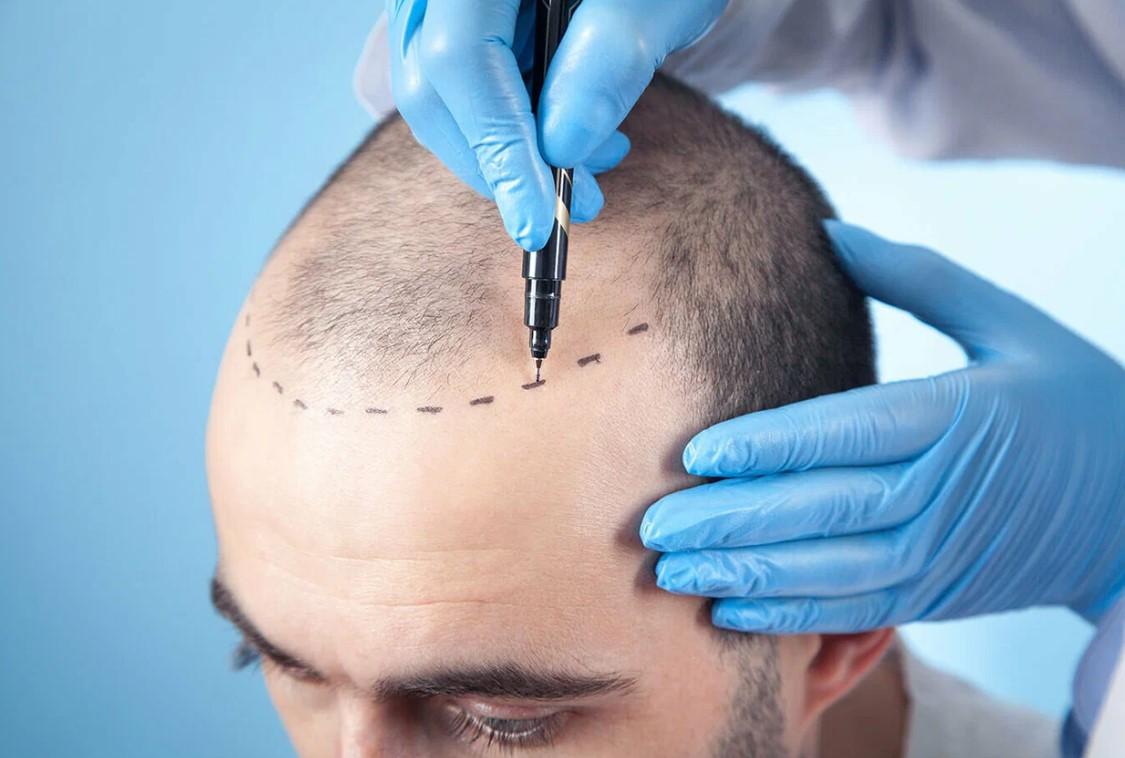
Hair loss can be managed in many ways, but not all solutions work the same way. Some options provide quick, cosmetic improvement, while others aim to restore hair long-term through medical or surgical methods. Understanding the difference between temporary and permanent hair solutions is essential for choosing the right approach based on your stage of hair loss, expectations, and budget. Hair transplant in Buraydah can be a life-changing solution for people experiencing hair loss and looking to restore a natural hairline and confidence.
Many people combine both types of solutions at different stages of their hair loss journey.
What Are Temporary Hair Solutions?
Temporary hair solutions are methods that improve the appearance of hair loss without permanently restoring lost follicles. They work on the surface level and require ongoing maintenance.
Common temporary solutions include:
- Hair fibers and concealers
- Wigs and hair systems
- Hairstyling techniques
- Cosmetic scalp makeup
- Thickening shampoos and sprays
These methods are designed to create the illusion of fuller hair rather than biologically restoring it.
What Are Permanent Hair Solutions?
Permanent hair solutions aim to restore hair growth in a long-lasting or lifelong way by addressing the root cause or relocating healthy follicles.
Common permanent solutions include:
- Hair transplant surgery (FUE, FUT, DHI techniques)
- Medications like finasteride and minoxidil (for stabilization)
- Regenerative treatments like PRP therapy (supportive role)
Among these, hair transplantation is the only method that physically relocates hair follicles to bald areas for permanent coverage.
Key Differences Between Temporary and Permanent Solutions
1. Duration of Results
Temporary solutions:
- Work only until removed or washed off
- Require daily or frequent maintenance
- Results last hours to days
Permanent solutions:
- Provide long-term or lifelong results (in case of transplanted hair)
- Do not require daily cosmetic application
- Continue working even after years
2. Mechanism of Action
Temporary solutions:
- Mask hair loss visually
- Do not affect hair follicles or growth cycle
- Purely cosmetic improvement
Permanent solutions:
- Stimulate hair growth or relocate follicles
- Address biological causes of hair loss
- Improve actual hair density
3. Maintenance Requirements
Temporary solutions:
- High maintenance
- Need daily application or adjustment
- Can be affected by weather, sweat, or water
Permanent solutions:
- Low maintenance after recovery
- Require only normal hair care routines
- Occasional medical follow-ups may be needed
4. Natural Appearance Over Time
Temporary solutions:
- Can look natural initially
- May become visible under certain conditions (wind, rain, close inspection)
- Requires careful application for best results
Permanent solutions:
- Hair grows naturally from the scalp
- Can be styled, washed, and cut like normal hair
- Long-term appearance improves as hair matures
5. Cost Structure
Temporary solutions:
- Lower upfront cost
- Ongoing recurring expenses (monthly or daily use)
- Long-term cost may accumulate significantly
Permanent solutions:
- Higher initial cost (especially surgery)
- Minimal long-term recurring cost
- More cost-effective over many years
6. Effect on Hair Loss Progression
Temporary solutions:
- Do not stop or slow hair loss
- Hair continues to thin underneath
Permanent solutions:
- Transplanted hair is resistant to future loss (in most cases)
- Medical treatments can slow progression of native hair loss
7. Suitability for Different Stages of Hair Loss
Temporary solutions:
- Ideal for early stages or mild thinning
- Useful for advanced baldness where surgery is not possible
- Good for immediate cosmetic improvement
Permanent solutions:
- Best for stable, patterned hair loss
- Require sufficient donor hair
- Not suitable for all medical conditions
Temporary Hair Solutions in Detail
Hair fibers and concealers
These are keratin-based or synthetic fibers that attach to existing hair to create volume.
- Instant results
- Easy to apply
- Washes out easily
Wigs and hair systems
These cover the entire scalp or affected areas.
- Full coverage solution
- Available in synthetic or natural hair
- Requires regular maintenance
Hairstyling techniques
Strategic haircuts and styling can improve appearance.
- Low cost
- Non-invasive
- Limited effectiveness in advanced loss
Permanent Hair Solutions in Detail
Hair transplant surgery
The most effective permanent solution for genetic hair loss.
- Uses donor hair from back and sides
- Natural and long-lasting results
- Requires recovery time
Medications
Help slow or stabilize hair loss.
- Best when used early
- Works continuously with regular use
- Helps preserve existing hair
PRP therapy
A supportive treatment that improves follicle health.
- Enhances hair thickness
- Requires multiple sessions
- Works best in early stages
Pros and Cons Comparison
Temporary solutions
Pros:
- Immediate results
- Non-surgical
- Affordable upfront
Cons:
- Not permanent
- Requires constant maintenance
- No biological improvement
Permanent solutions
Pros:
- Long-lasting results
- Natural hair growth
- Low maintenance after treatment
Cons:
- Higher initial cost
- Requires medical procedure
- Results take time to develop
Psychological Impact of Both Approaches
Temporary solutions:
- Quick confidence boost
- May cause dependency on cosmetic products
- Fear of exposure without them
Permanent solutions:
- Long-term confidence improvement
- Reduced anxiety about appearance
- Stronger sense of stability and self-image
When to Choose Each Option
Temporary solutions are best when:
- Hair loss is very early or mild
- You need immediate cosmetic improvement
- You are not ready for surgery
- Hair loss pattern is still unstable
Permanent solutions are best when:
- Hair loss is stable and patterned
- You have sufficient donor hair
- You want long-term restoration
- You are ready for medical or surgical treatment
Final Thoughts
Temporary and permanent hair solutions serve different purposes and are not direct replacements for each other. Temporary methods provide quick visual improvement but require ongoing effort, while permanent solutions focus on long-term restoration of hair growth and density.
 English
 Arabic
 French
 Spanish
 Portuguese
 Deutsch
 Turkish
 Dutch
Dutch
 Italiano
 Russian
 Romaian
 Portuguese (Brazil)
 Greek
Greek
 Advertise With Us
 About Us
 Terms And Conditions
 Privacy Policy
See All
Privacy Policy
See All