English
 Arabic
 French
 Spanish
 Portuguese
 Deutsch
 Turkish
 Dutch
Dutch
 Italiano
 Russian
 Romaian
 Portuguese (Brazil)
 Greek
Greek
FYP Worthy Crash Into Me by Robinne Lee
Shopping |
2026-07-03 07:07:05
 Advertise With Us
 About Us
 Terms And Conditions
 Privacy Policy
TOON ALLES
Privacy Policy
TOON ALLES

Upgrade to Pro
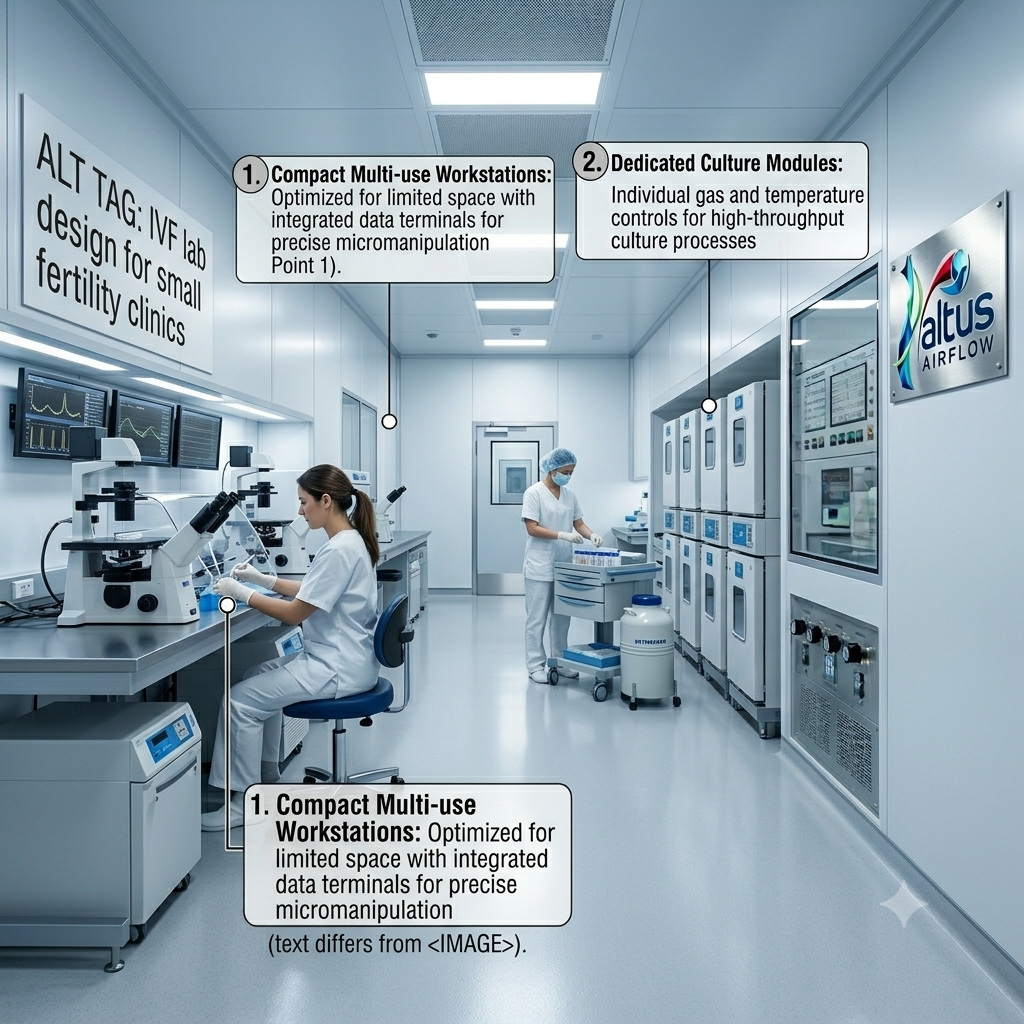
The fertility industry is growing rapidly as more individuals and couples seek assisted reproductive technologies to achieve parenthood. Whether it is a small fertility center, a medium-sized reproductive clinic, or a large multi-specialty hospital with a dedicated fertility department, the laboratory remains the heart of IVF treatment. A well-planned IVF Lab Design is essential for maintaining embryo quality, ensuring contamination control, improving workflow efficiency, and supporting successful treatment outcomes.
One of the most common questions asked by fertility specialists and healthcare investors is whether IVF laboratory infrastructure can be tailored to clinics of different sizes. The answer is yes. Modern IVF laboratory planning is highly flexible and can be customized according to available space, patient volume, treatment services, future expansion goals, and budget requirements.
Every fertility clinic operates differently.
A customized laboratory ensures that infrastructure aligns with operational needs.
Fertility clinics differ significantly in size and functionality.
Customized planning provides better long-term value.
IVF Lab Design involves creating a controlled laboratory environment that supports reproductive procedures such as:
Professional design focuses on both functionality and environmental control.
Regardless of clinic size, every laboratory aims to:
The design approach may differ depending on the clinic’s scale.
Small fertility clinics often operate with limited space and resources.
Customized laboratory planning helps maximize efficiency within available space.
Space optimization is especially important in smaller facilities.
Efficient layouts improve productivity.
Smaller clinics often require flexible spaces.
Multi-functional designs improve operational efficiency.
Budget management is important for smaller clinics.
These strategies reduce initial investment costs.
Medium-sized clinics generally handle higher patient volumes and more complex procedures.
Customized planning helps support growing operations.
Medium-sized clinics can benefit from separate laboratory spaces.
Dedicated spaces improve contamination control and efficiency.
As patient volume increases, workflow becomes more critical.
Improved workflows reduce bottlenecks.
Medium-sized facilities often require more storage.
Adequate storage supports operational continuity.
Large fertility centers typically manage significant patient volumes and advanced treatment programs.
Comprehensive planning supports complex operations.
Large clinics benefit from extensive zoning.
Specialized zones support advanced fertility services.
Large facilities must handle greater operational demands.
High-capacity planning improves operational performance.
Large clinics often plan for growth.
Future-ready designs protect investments.
HVAC systems are among the most important components of IVF laboratories.
Proper environmental control supports successful outcomes.
All fertility laboratories require excellent air quality.
Air quality directly affects embryo development.
Embryos are highly sensitive to temperature changes.
Temperature control is critical regardless of clinic size.
Humidity management supports environmental stability.
Proper humidity improves laboratory consistency.
Laboratory zoning can be customized based on clinic requirements.
Effective zoning supports contamination prevention.
Smaller clinics may combine certain functions while maintaining compliance.
Efficient zoning maximizes available space.
Larger clinics often require extensive segregation.
Comprehensive zoning supports advanced operations.
Equipment requirements vary depending on clinic size.
Equipment planning improves operational efficiency.
Smaller facilities may require:
Careful planning maximizes available resources.
Large clinics often utilize:
Equipment integration supports higher patient volumes.
Workflow planning is essential for every fertility laboratory.
Effective workflow design reduces operational challenges.
Smaller clinics focus on:
Compact workflows improve productivity.
Large facilities require:
Workflow customization supports scalability.
All IVF laboratories must comply with healthcare regulations.
Customized designs help meet regulatory expectations.
Customized IVF Lab Design supports:
Accreditation enhances clinic credibility.
Future growth should always be considered during laboratory planning.
Growth planning improves investment value.
Modern fertility laboratories increasingly rely on advanced technologies.
Technology readiness supports innovation.
Customization often improves cost efficiency.
Tailored solutions provide long-term value.
Customized laboratories offer several strategic benefits.
Customization supports long-term success.
The fertility industry continues to evolve.
Future-focused designs improve competitiveness.
IVF Lab Design can absolutely be customized for fertility clinics of different sizes, from small independent practices to large multi-specialty reproductive centers. Customized laboratory planning ensures efficient space utilization, optimized workflows, advanced contamination control, scalable infrastructure, regulatory compliance, and long-term operational flexibility. By tailoring environmental systems, zoning strategies, equipment integration, and future expansion plans to the unique needs of each facility, clinics can maximize both clinical outcomes and business performance. A well-designed fertility laboratory is not defined by its size but by how effectively it supports patient care and embryology processes. With extensive expertise in laboratory engineering and healthcare infrastructure, Altus Airflow helps fertility clinics develop customized IVF laboratories designed to meet their current and future requirements.
Yes, IVF Lab Design can be tailored to smaller clinics through efficient layouts, multi-functional workspaces, and scalable infrastructure.
IVF Lab Design helps medium-sized clinics improve workflow efficiency, laboratory zoning, equipment integration, and contamination control.
Yes, professional IVF Lab Design often includes scalable infrastructure that supports future growth, technology upgrades, and increased patient volumes.
Yes, large hospitals typically require more extensive laboratory zoning, advanced equipment integration, and high-capacity workflow planning within their IVF Lab Design.
Customized IVF Lab Design ensures that laboratory infrastructure aligns with clinic size, operational goals, patient volume, and long-term growth strategies.
Read Our Previous Blog------>Which procedures can be performed in an Ophthalmic Modular Operation Theatre?