English
 Arabic
 French
 Spanish
 Portuguese
 Deutsch
 Turkish
 Dutch
Dutch
 Italiano
 Russian
 Romaian
 Portuguese (Brazil)
 Greek
Greek
What to Expect After Starting Anti Seizure Meds for Dogs
Other |
2026-06-09 14:22:01
 Advertise With Us
 About Us
 Terms And Conditions
 Datenschutzbestimmungen
Alle anzeigen
Datenschutzbestimmungen
Alle anzeigen

Upgrade auf Pro
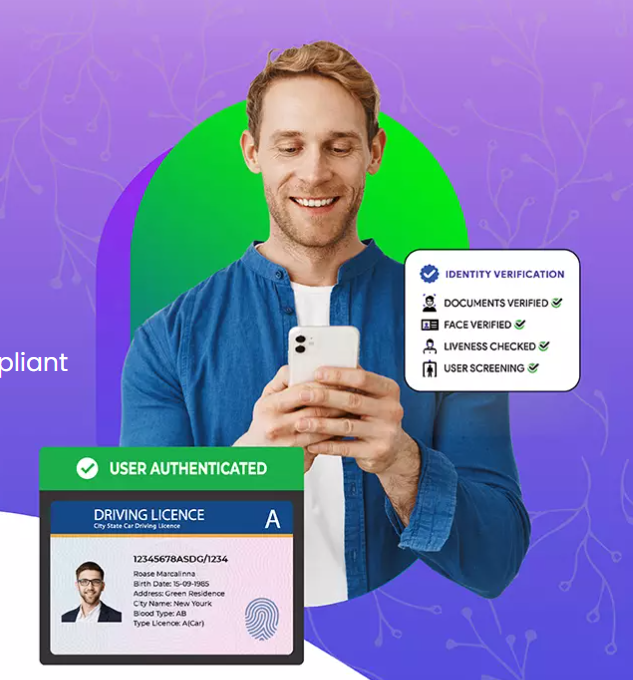
As digital services continue to expand across banking, fintech, travel, healthcare, and government sectors, identity fraud has become a major concern. Organizations need reliable methods to verify that users are genuine and that identity documents are authentic. Two technologies that play a crucial role in modern identity verification are liveness checks and NFC verification.
Together, these technologies help businesses prevent fraud, improve compliance, and deliver a seamless user onboarding experience.
Liveness checks are biometric security measures used to confirm that the person presenting an identity document is physically present during the verification process. They help prevent fraud attempts involving photos, videos, masks, or deepfake attacks.
Modern liveness detection solutions use advanced AI and facial recognition technologies to analyze facial movements, textures, lighting conditions, and behavioral patterns in real time.
Passive Liveness Detection
Active Liveness Detection
Near Field Communication (NFC) verification is a secure method of validating identity documents that contain embedded NFC chips, such as ePassports, national ID cards, and biometric residence permits.
Using a smartphone with NFC capabilities, users can scan the chip inside their document. The verification system then securely reads encrypted data stored within the chip and compares it with the document details and biometric information provided by the user.
While liveness detection confirms that a real person is present, NFC verification confirms that the identity document is genuine and untampered. Combining both technologies creates a powerful identity verification process that significantly reduces fraud risks.
As cybercrime and sophisticated fraud techniques continue to evolve, businesses must adopt advanced verification technologies. Liveness checks and NFC verification provide a robust solution for verifying both the user and the document in real time.
Organizations that implement these technologies can strengthen security, reduce fraud, streamline onboarding, and build greater trust with customers. In today's digital-first environment, combining liveness detection with NFC verification is becoming the gold standard for secure and reliable identity verification.