English
 Arabic
 French
 Spanish
 Portuguese
 Deutsch
 Turkish
 Dutch
Dutch
 Italiano
 Russian
 Romaian
 Portuguese (Brazil)
 Greek
Greek
Sports Sponsorship Apparel Market Growth Driven by Women’s Sports Expansion and Technology Integration
Other |
2026-04-20 10:19:34
 Advertise With Us
 About Us
 Terms And Conditions
 Privacy Policy
Ver Todo
Privacy Policy
Ver Todo

Upgrade to Pro
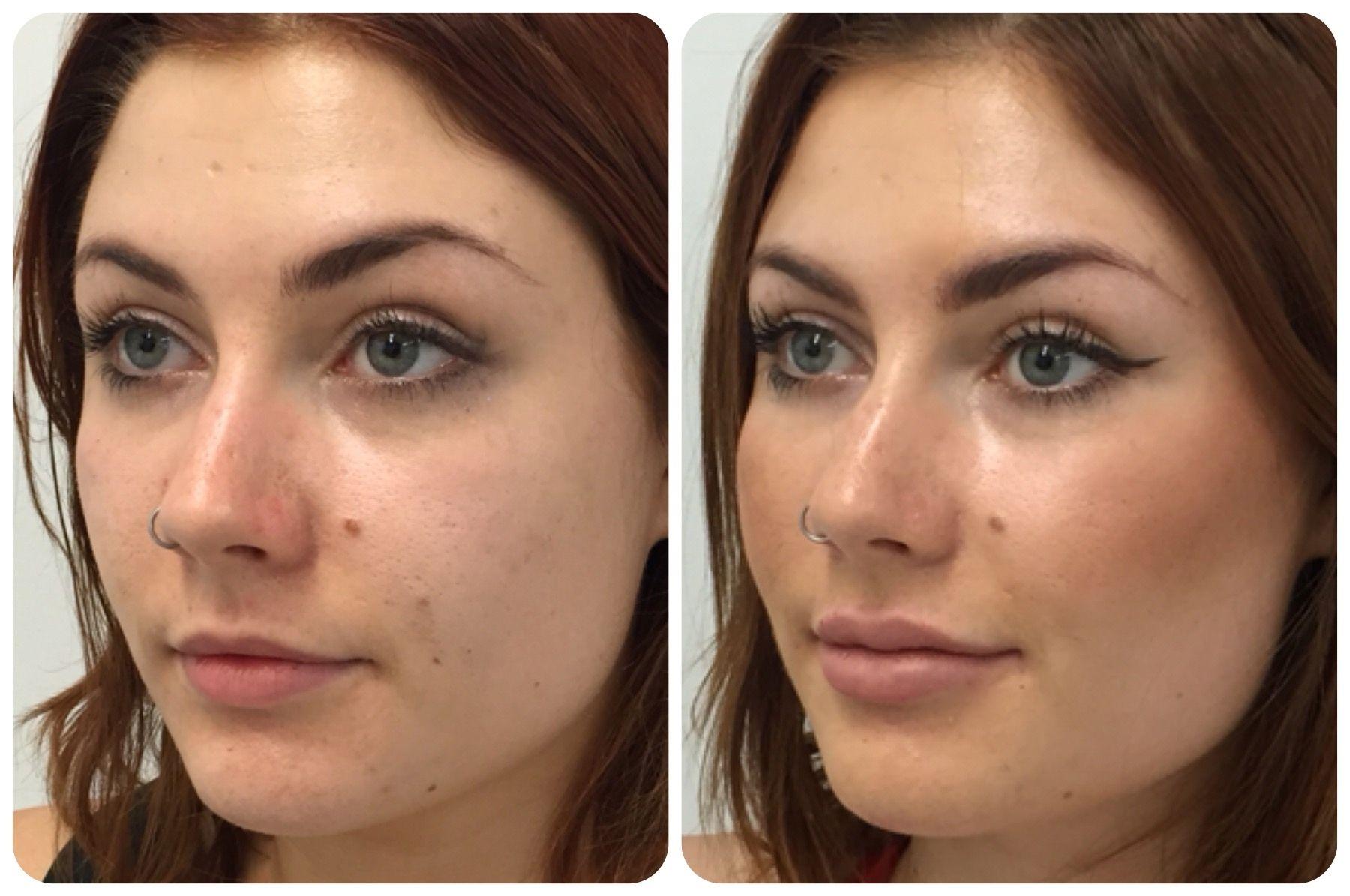
Cheek Augmentation in Riyadh has evolved into a sophisticated field of cosmetic enhancement, offering diverse pathways for individuals aiming to restore mid-face volume or improve bone definition. Choosing between surgical implants and non-surgical dermal fillers is perhaps the most critical decision a patient faces, as each method represents a different philosophy of care—one focusing on long-term structural modification and the other on flexible, temporary volume restoration. To determine the most suitable approach, it is essential to weigh the trade-offs between invasiveness, longevity, recovery requirements, and the specific aesthetic goals each technique serves.
Cheek implants are best suited for patients seeking a definitive, long-term improvement to their facial structure. These implants are typically crafted from solid, biocompatible materials like medical-grade silicone or porous polyethylene. The surgical procedure involves placing the device directly over or below the cheekbone to create a stable, permanent contour.
The primary appeal of implants lies in their permanence. Once the tissue has fully integrated and the recovery phase is complete, the results remain consistent for a lifetime. This makes them a preferred choice for individuals with significant genetic deficiencies in cheek prominence or those experiencing advanced age-related volume loss who prefer a "one-and-done" correction. Because implants provide a solid foundation, they offer a level of structural projection and definition that is difficult to replicate with injections alone. However, this permanence comes with the necessity of surgery, which involves anesthesia, incisions—usually placed inside the mouth or lower eyelid to minimize visible scarring—and a recovery period involving several weeks of swelling and bruising.
Dermal fillers represent the modern standard for patients seeking convenience, immediacy, and flexibility. These injectable gels, often composed of hyaluronic acid or calcium hydroxylapatite, are used to add volume, lift, and contour the mid-face without the need for incisions or general anesthesia.
The benefits of fillers are rooted in their accessibility and adaptability. The treatment is typically performed in under an hour, with most patients returning to their normal routine immediately, experiencing only minimal swelling or bruising that resolves within a few days. For many, the greatest advantage of fillers is their reversibility and "trial" nature. If a patient is uncertain about how a specific level of augmentation will look, or if their aesthetic preferences shift as they age, fillers offer the flexibility to adjust the treatment in subsequent sessions. Furthermore, because hyaluronic acid fillers can be dissolved with a specialized enzyme, there is a built-in "safety net" if the patient is dissatisfied with the initial outcome. The trade-off is the temporary nature of the results; fillers are metabolized by the body over time, typically requiring touch-up treatments every 6 to 24 months to maintain the desired aesthetic.
When evaluating these options, financial and temporal commitments play a significant role. Implants carry a higher upfront cost due to the surgical nature of the procedure, including professional fees, anesthesia, and facility costs. However, because they are a permanent solution, they eliminate the need for ongoing maintenance expenses, potentially offering greater economic value over a long-term horizon.
Conversely, dermal fillers have a lower initial cost per treatment, making them more accessible for those who prefer to "pay as they go." Over a period of 10 to 20 years, however, the cumulative cost of repeat filler sessions can eventually exceed that of a single surgical procedure. Ultimately, the decision-making process should not be driven by cost alone, but by the patient's desired outcome. If the goal is a transformative change in facial architecture, the structural precision of implants is superior. If the goal is subtle enhancement, hydration, and the ability to evolve with changing beauty standards, fillers are generally the preferred route.
The "best" method is subjective and entirely dependent on the individual’s anatomy and objectives. A qualified practitioner will assess factors such as skin elasticity, bone structure, and the degree of volume loss during an initial consultation. For those with severely sunken cheeks or a desire for a more angular, "model-esque" bone structure, implants provide the necessary projection. For those with early signs of aging, or those who are risk-averse toward surgery, fillers provide an effective way to regain a youthful, lifted appearance without the downtime.
It is also important to consider the potential for "over-correction." Both procedures, when performed excessively, can lead to an unnatural appearance. A skilled professional will prioritize balance and symmetry, ensuring that the cheek augmentation enhances the rest of the face—such as the jawline and chin—rather than creating a detached or inflated look. By clearly communicating goals regarding downtime, the desired duration of results, and the level of structural change expected, patients can collaborate with their provider to choose the path that best aligns with their vision for their appearance. Whether choosing the enduring structure of an implant or the versatile, non-invasive nature of fillers, the modern landscape of cheek augmentation offers high-quality solutions for achieving a balanced, refreshed, and confident profile.