How Lifestyle Habits Influence Filler Longevity
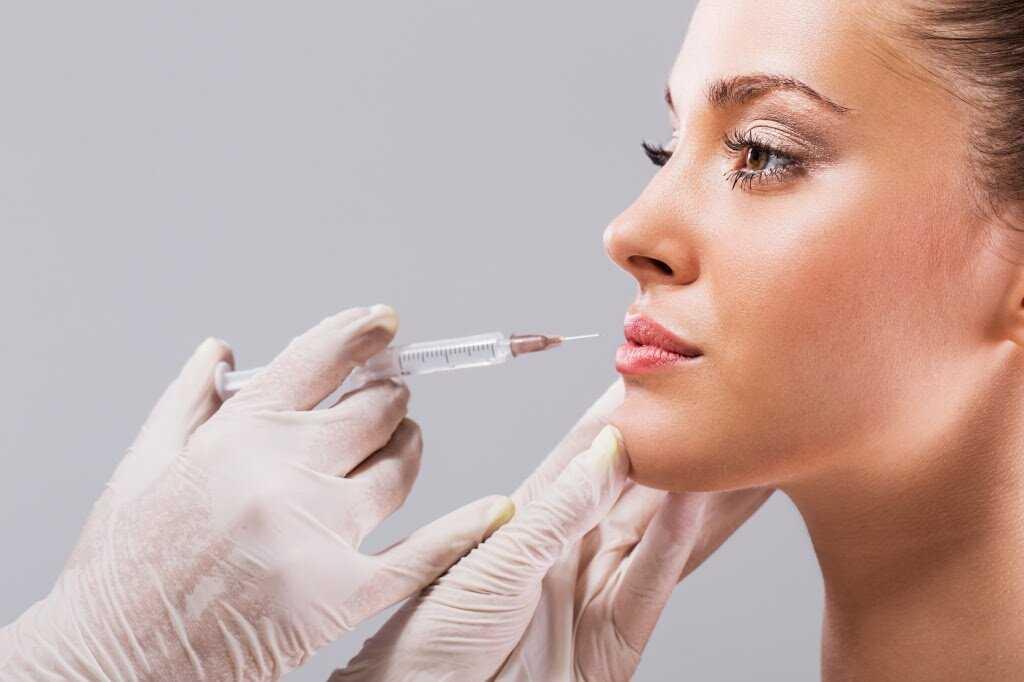
Dermal fillers are designed to provide temporary volume restoration and facial enhancement, but how long the results last is not determined by the product alone. Daily lifestyle habits play a major role in how quickly fillers break down, how well they integrate into the skin, and how natural they continue to look over time.
Dermal fillers in Riyadh are becoming increasingly popular for non-surgical facial enhancement and natural-looking rejuvenation.
1. Sun Exposure and UV Damage
One of the most significant lifestyle factors affecting filler longevity is sun exposure. Ultraviolet (UV) rays accelerate skin aging by breaking down collagen and elastin, which are essential for maintaining filler support.
Excessive sun exposure can lead to:
- Faster breakdown of filler results
- Loss of skin elasticity
- Uneven skin texture over time
- Shortened overall duration of aesthetic effects
Consistent sun protection helps maintain both skin quality and filler performance.
2. Hydration Levels
Hydration plays an especially important role in the appearance of hyaluronic acid fillers, which rely on water retention to maintain volume and smoothness.
Poor hydration may cause:
- Reduced plumpness in treated areas
- Duller skin appearance
- Faster visible fading of results
Maintaining adequate fluid intake supports longer-lasting and more natural-looking outcomes.
3. Smoking and Nicotine Use
Smoking significantly affects skin health and circulation. It reduces oxygen supply to tissues and accelerates collagen breakdown, which can shorten filler longevity.
Effects of smoking include:
- Faster degradation of filler material
- Reduced skin quality and elasticity
- Increased lines and wrinkles around treated areas
- Less optimal healing after injections
This is one of the strongest lifestyle-related factors impacting results.
4. Alcohol Consumption
Excessive alcohol intake can dehydrate the body and negatively affect skin health. It may also increase inflammation, which can influence how fillers settle.
Possible effects include:
- Temporary swelling in treated areas
- Dehydration-related volume loss
- Reduced skin firmness over time
Moderation helps preserve both skin quality and filler results.
5. Physical Activity and Metabolism
Regular exercise is beneficial for overall health, but very high-intensity activity can influence how quickly the body metabolizes filler material.
In some cases:
- Faster metabolic rates may shorten filler duration
- Increased blood flow can affect early settling
- Heat and sweating may contribute to temporary swelling
However, moderate exercise generally supports healthy skin function.
6. Skincare Routine and Product Use
Daily skincare habits also play a role in maintaining results. Harsh or inappropriate products can weaken the skin barrier and affect overall appearance.
Helpful practices include:
- Gentle cleansing and moisturizing
- Regular use of sunscreen
- Hydrating skincare ingredients
Habits that may negatively affect results:
- Overuse of strong exfoliants
- Excessive use of retinoids without balance
- Harsh chemical treatments too frequently
7. Diet and Nutrition
A balanced diet supports skin health and collagen production, which indirectly affects filler longevity.
Supportive nutrients include:
- Protein for tissue repair
- Vitamins C and E for skin health
- Healthy fats for skin elasticity
Poor nutrition may accelerate skin aging, reducing the visible benefits of fillers over time.
8. Stress and Sleep Quality
Chronic stress and poor sleep can accelerate aging processes in the body, including skin deterioration.
Negative effects include:
- Increased inflammation
- Reduced collagen production
- Slower skin recovery and regeneration
Good sleep and stress management help maintain healthier skin and longer-lasting results.
9. Facial Movement and Expression Patterns
Frequent and strong facial movements in treated areas can influence how quickly fillers break down.
For example:
- High movement areas like lips may metabolize faster
- Repeated expressions can affect fine-line fillers
While natural expression is normal, it can impact filler longevity in dynamic areas.
10. Maintenance and Follow-Up Care
Lifestyle also includes how well aftercare and maintenance routines are followed after treatment.
Good maintenance habits include:
- Following post-treatment instructions
- Scheduling timely touch-ups
- Avoiding unnecessary trauma to treated areas
Proper maintenance helps preserve results for a longer period.
Conclusion
Lifestyle habits have a direct and meaningful impact on how long dermal fillers last and how natural they continue to look. Factors such as sun exposure, hydration, smoking, diet, and skincare routines all influence filler breakdown and skin quality. Adopting healthy habits and consistent care can significantly extend the longevity and overall effectiveness of dermal filler treatments.
 English
 Arabic
 French
 Spanish
 Portuguese
 Deutsch
 Turkish
 Dutch
Dutch
 Italiano
 Russian
 Romaian
 Portuguese (Brazil)
 Greek
Greek
 Advertise With Us
 About Us
 Terms And Conditions
 Privacy Policy
Ver Todo
Privacy Policy
Ver Todo