English
 Arabic
 French
 Spanish
 Portuguese
 Deutsch
 Turkish
 Dutch
Dutch
 Italiano
 Russian
 Romaian
 Portuguese (Brazil)
 Greek
Greek
Exterior Window Shades: The Complete Guide to Style, Comfort, and Energy Efficiency
Other |
2026-05-05 19:34:37
 Advertise With Us
 About Us
 Terms And Conditions
 Privacy Policy
Afiseaza-i pe toti
Privacy Policy
Afiseaza-i pe toti

Upgrade to Pro
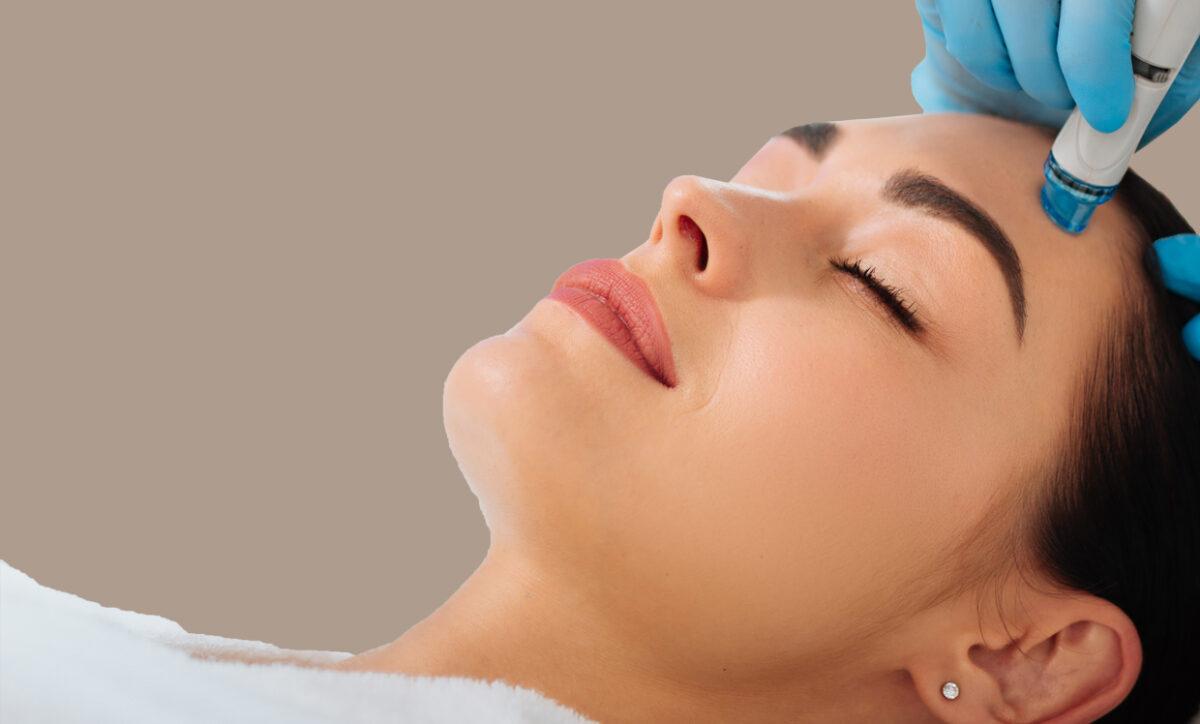
Teenage skin often faces unique challenges — increased oil production, clogged pores, frequent breakouts, and sensitivity due to hormonal fluctuations. Teens exploring acne solutions or clearer skin might wonder whether professional treatments are appropriate, safe, or worth the investment. Hydrafacial Treatment has gained popularity as a non‑invasive procedure that deeply cleanses, exfoliates, extracts impurities, and infuses nourishing serums. Before deciding if it’s suitable for teenagers, it’s important to understand how it works, its benefits, what concerns it can address, and when it might be best combined with other care.
Teen skin typically produces more sebum due to hormonal activity, which can lead to clogged pores, blackheads, whiteheads, and acne flare‑ups. Lack of proper cleansing routines, makeup use, sweat from sports, and picking at blemishes can worsen texture and increase inflammation. A balanced approach that avoids harsh irritation while addressing congestion and hydration is essential for healthy teenage skin.
Hydrafacial uses a specialized device to cleanse the skin, gently exfoliate dead surface cells, extract congestion, and deliver hydrating and calming serums. Its non‑abrasive vacuum‑assisted extraction clears impurities more comfortably than manual squeezing or tools used at home. By pairing exfoliation with hydration, it helps minimize irritation — a key consideration for sensitive teenage skin.
Hydrafacial’s gentle, multi‑step method can be effective for teens experiencing mild to moderate skin concerns. It helps unclog pores and reduce excess oil, which can lessen the occurrence of breakouts. The infusion of antioxidants, peptides, and hydrating agents supports skin balance and can lead to clearer, smoother skin that looks less dull and congested.
For teenagers dealing primarily with blackheads, whiteheads, and mild acne, Hydrafacial can improve pore clarity and decrease buildup. However, it’s not a treatment that cures acne itself — especially severe or cystic acne that may require medical‑grade treatment. In moderate cases, combining Hydrafacial sessions with an appropriate acne‑focused skincare regimen may enhance overall results.
Teen skin can be both oily yet dehydrated; the latter condition often worsens oil production as the skin attempts to compensate. Hydrafacial helps restore moisture using serums like hyaluronic acid, which supports a healthier skin barrier without clogging pores. Proper hydration also helps reduce irritation from acne treatments or cleansing products.
One advantage of Hydrafacial is its gentle, non‑invasive nature. There are no needles or strong chemical peels involved, which reduces the risk of irritation or discomfort. Still, teens — especially those with highly sensitive skin — should have their skin assessed by a skincare professional prior to treatment. Any skincare allergies, eczema, or ongoing prescription use should be disclosed before a session.
Hydrafacial should not replace basic daily care. A consistent routine — including gentle cleansing, appropriate acne‑treatment products (when advised), and sunscreen — remains essential for teenagers. Hydrafacial can enhance results from a good routine, but it works best when combined with responsible day‑to‑day practices.
For teens who benefit from Hydrafacial, skincare professionals often recommend spaced sessions — for example, once a month — depending on individual skin needs. Too frequent treatments are unnecessary and could lead to over‑exfoliation, which may irritate sensitive skin and disrupt the skin’s natural barrier.
Hydrafacial is generally helpful for mild congestion, blackheads, and surface‑level concerns. However, teens with severe acne (deep cysts, widespread breakouts, or scarring) may require dermatologist‑supervised treatments, prescription medication, or tailored therapeutic plans. A professional assessment ensures the safest and most effective path forward.
Along with Hydrafacial sessions, lifestyle habits can significantly impact skin health in teens. Encouraging adequate sleep, balanced nutrition, reduced sugar intake, gentle cleansing after workouts, and avoiding picking at blemishes all contribute to better outcomes. Sun protection is also key, as some acne treatments and activity can make skin more susceptible to UV sensitivity.
Because teens are minors, parental consent and involvement are essential when considering professional skincare procedures. Conversations about goals, expectations, and realistic outcomes help ensure teenagers feel comfortable and informed, avoiding unnecessary treatments or unrealistic expectations.
Hydrafacial Treatment can be a good option for teenagers with mild to moderate congestion, blackheads, whiteheads, and surface dullness when performed under professional guidance and paired with an effective daily skincare routine. Its gentle, non‑invasive nature makes it appropriate for many skin types, including sensitive skin, but it is not a standalone cure for severe acne or underlying hormonal skin issues. Consulting a skincare professional and combining treatment with responsible home care and healthy lifestyle habits ensures teens get safer, more balanced, and sustainable skin improvements.