English
 Arabic
 French
 Spanish
 Portuguese
 Deutsch
 Turkish
 Dutch
Dutch
 Italiano
 Russian
 Romaian
 Portuguese (Brazil)
 Greek
Greek
FYP Book Tides of Fortune by Lauryn Hamilton Murray
Shopping |
2026-06-26 05:30:58
 Advertise With Us
 About Us
 Terms And Conditions
 Política de privacidade
Ver todos
Política de privacidade
Ver todos

Atualizar para Plus
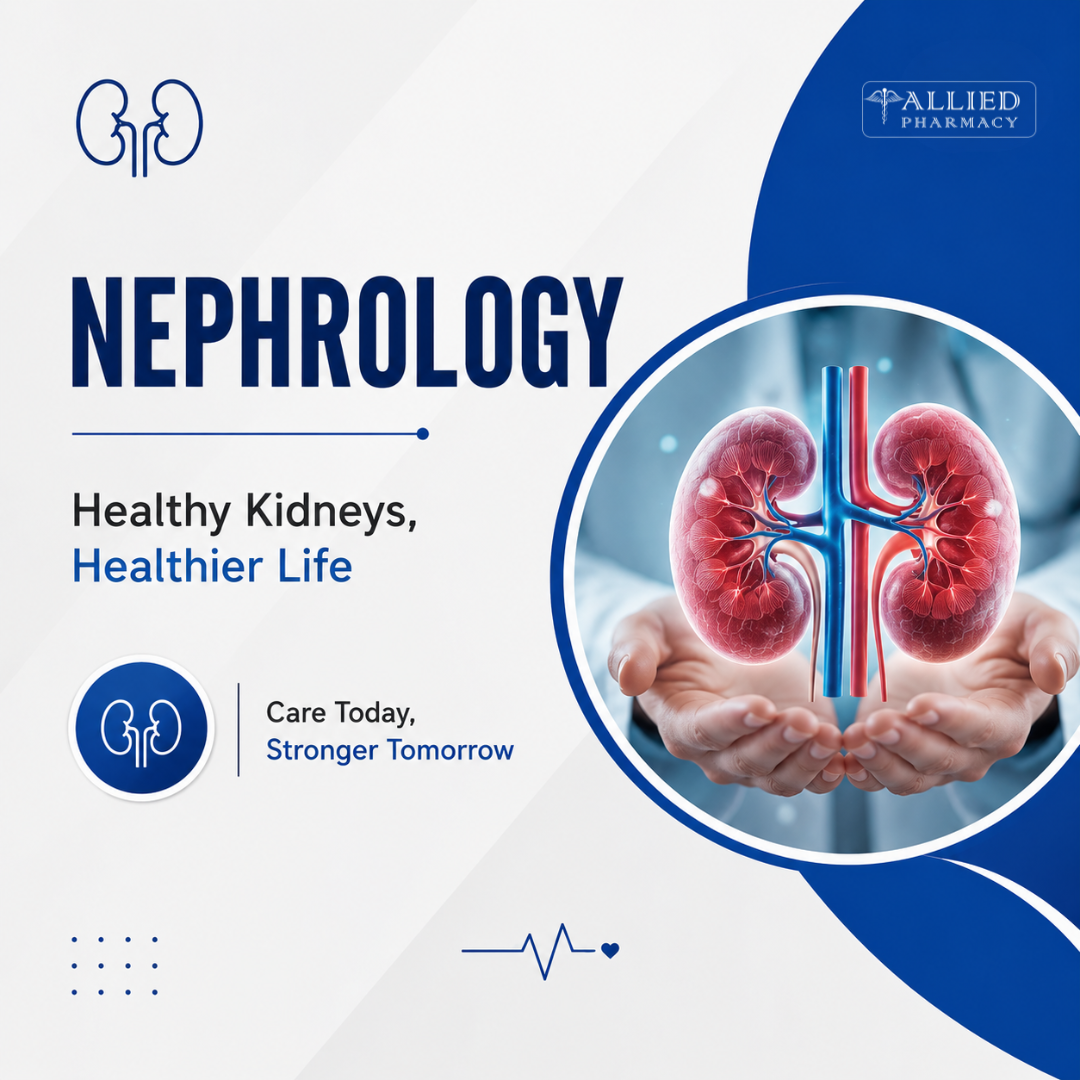
The kidneys are among the most important organs in the human body, yet they often receive little attention until a serious problem develops. These bean-shaped organs work continuously to filter waste products, regulate fluid levels, maintain blood pressure, and support overall health. The medical specialty dedicated to kidney care is known as nephrology. Nephrologists diagnose, treat, and help prevent diseases that affect kidney function.
With increasing rates of diabetes, hypertension, and obesity worldwide, kidney disease has become a major public health concern. Millions of people live with chronic kidney disease without realizing it because symptoms often develop slowly. Understanding nephrology and the importance of kidney health can help individuals take preventive measures and seek timely medical care.
Nephrology is a branch of medicine that focuses on the diagnosis, treatment, and management of kidney disorders. Specialists in this field are known as nephrologists. They care for patients with various kidney-related conditions, ranging from mild kidney infections to advanced kidney failure.
Nephrology also involves managing conditions that affect the kidneys indirectly, such as diabetes and high blood pressure. Since these diseases are among the leading causes of kidney damage, nephrologists often work closely with primary care physicians and other specialists to provide comprehensive care.
Many people underestimate the importance of healthy kidneys. These organs perform numerous essential tasks that keep the body functioning properly.
One of their primary roles is filtering waste products and excess fluids from the bloodstream. The kidneys also help balance electrolytes such as sodium, potassium, and calcium. Additionally, they regulate blood pressure by controlling fluid levels and producing hormones that affect circulation.
The kidneys are also responsible for producing erythropoietin, a hormone that stimulates red blood cell production. Without healthy kidneys, many vital body processes become disrupted, leading to serious health complications.
Several conditions can affect kidney health and require specialized nephrology care.
Chronic kidney disease (CKD) occurs when kidney function gradually declines over time. It is often caused by diabetes, high blood pressure, or long-term kidney inflammation. Early stages may not produce noticeable symptoms, making regular screenings essential.
Kidney stones are hard deposits of minerals and salts that form within the kidneys. They can cause severe pain, nausea, and difficulty urinating. While some stones pass naturally, larger stones may require medical treatment.
Acute kidney injury is a sudden decline in kidney function that can occur due to severe dehydration, infections, medications, or trauma. Prompt medical attention is critical to prevent permanent damage.
This condition involves inflammation of the kidney’s filtering units, known as glomeruli. It can develop after infections or as a result of autoimmune diseases.
Polycystic kidney disease is an inherited disorder characterized by the growth of multiple cysts within the kidneys. Over time, these cysts can interfere with normal kidney function.
Several factors increase the likelihood of developing kidney-related problems.
People with diabetes are at particularly high risk because elevated blood sugar levels can damage kidney blood vessels. High blood pressure also places significant strain on the kidneys and can gradually impair their function.
Other risk factors include obesity, smoking, family history of kidney disease, cardiovascular disease, and advanced age. Individuals with these risk factors should undergo regular kidney function assessments.
Kidney disease often progresses silently, but certain symptoms may indicate a developing problem.
Common warning signs include swelling in the feet, ankles, or hands due to fluid retention. Persistent fatigue, loss of appetite, nausea, and difficulty concentrating may also occur when kidney function declines.
Changes in urination patterns are another important indicator. This may include frequent urination, reduced urine output, foamy urine, or blood in the urine. Anyone experiencing these symptoms should seek medical evaluation promptly.
The good news is that many kidney diseases can be prevented through healthy lifestyle choices and regular medical care.
Maintaining healthy blood pressure and blood sugar levels is one of the most effective ways to protect kidney function. A balanced diet rich in fruits, vegetables, and whole grains can also support kidney health.
Staying hydrated, exercising regularly, avoiding tobacco use, and limiting excessive salt intake are additional preventive measures. Individuals should also avoid unnecessary use of certain pain medications, which may damage the kidneys when used excessively.
Early detection plays a crucial role in preventing severe kidney damage. Simple blood and urine tests can identify kidney problems before symptoms become noticeable.
Routine screenings are particularly important for people with diabetes, hypertension, or a family history of kidney disease. Early diagnosis allows healthcare providers to implement treatments that slow disease progression and improve long-term outcomes.
Nephrology plays a vital role in protecting and preserving kidney health. As kidney diseases continue to affect millions worldwide, awareness, prevention, and early intervention have become more important than ever. Healthy kidneys support nearly every system in the body, making their care essential for overall well-being.
Through regular checkups, healthy lifestyle choices, and timely medical attention, individuals can significantly reduce their risk of kidney disease and maintain better health for years to come.