English
 Arabic
 French
 Spanish
 Portuguese
 Deutsch
 Turkish
 Dutch
Dutch
 Italiano
 Russian
 Romaian
 Portuguese (Brazil)
 Greek
Greek
How Is Iraq's Artificial Intelligence Market Shaping the Future of Digital Innovation?
Networking |
2026-07-27 09:39:38
 Advertise With Us
 About Us
 Terms And Conditions
 Privacy Policy
See All
Privacy Policy
See All

Upgrade to Pro
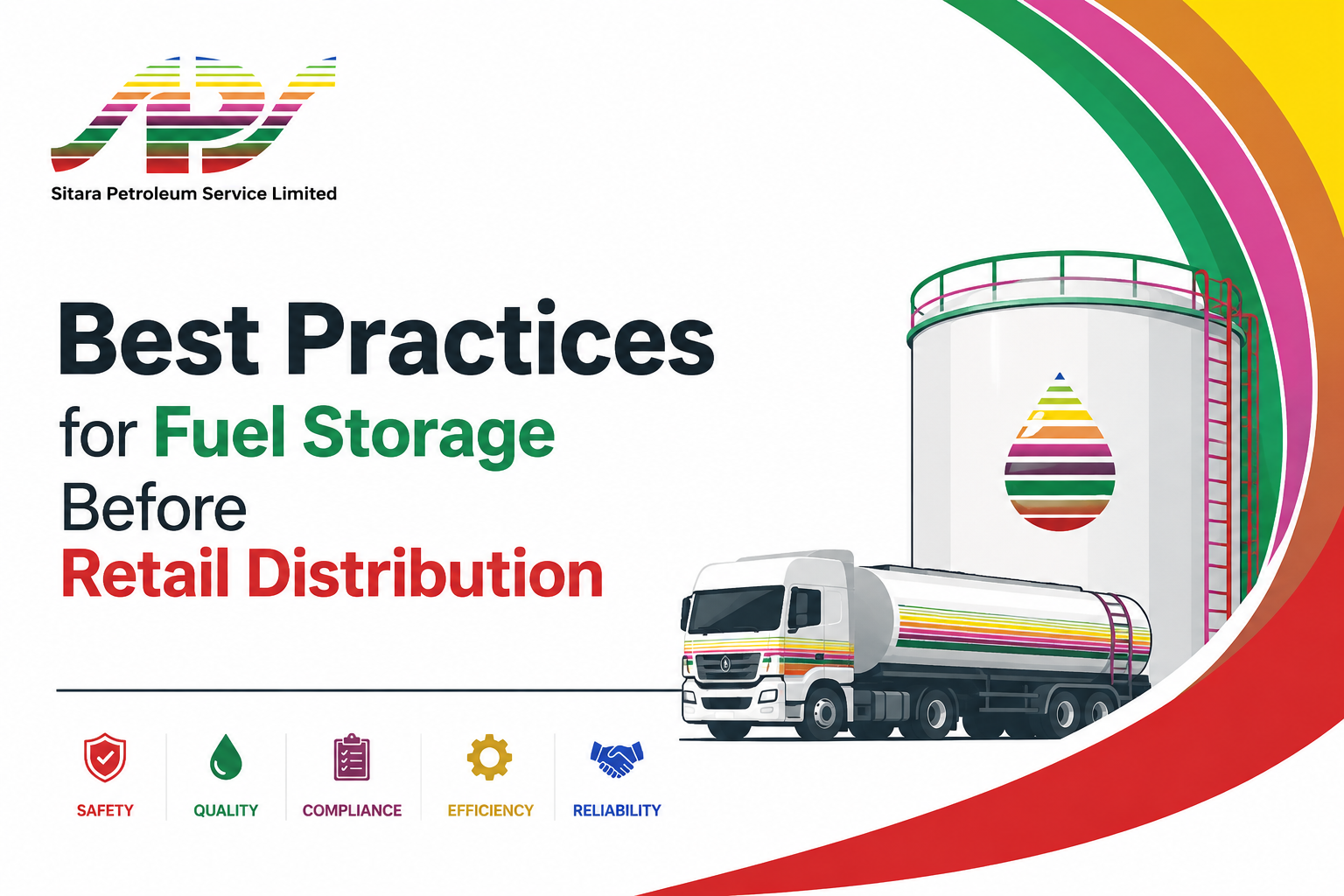
Proper fuel storage is one of the most important steps in the petroleum supply chain. Before fuel reaches customers through Petrol Pumps, it must be stored safely and managed carefully to maintain quality, prevent losses, and ensure smooth distribution. Poor storage conditions can lead to contamination, safety risks, and operational disruptions that affect the entire supply network.
Whether you manage a storage facility, work as a fuel distributor, or support retail fuel operations, following the right storage practices helps protect both the product and the business.
Fuel remains in storage for varying periods before it is transported to retail locations. During this time, maintaining product quality is essential. Even minor contamination can affect fuel performance and create problems for end users.
Proper storage also helps businesses reduce waste, improve inventory management, and comply with industry safety requirements. More importantly, it ensures that fuel reaches retail stations in the same condition as when it left the refinery or terminal.
The quality of storage equipment plays a major role in fuel preservation.
Both storage options are widely used in the petroleum industry. Above-ground tanks are easier to inspect and maintain, while underground systems provide additional protection from environmental conditions.
The right choice depends on storage capacity, operational requirements, and available space.
Storage capacity should match expected fuel demand. Facilities that underestimate their requirements may face supply shortages, while oversized systems can increase operating costs.
Careful planning helps maintain the right balance between inventory levels and distribution needs.
Reliable fuel storage tanks help prevent leaks, reduce contamination risks, and improve long-term operational efficiency. Investing in durable storage infrastructure often leads to lower maintenance costs and better product protection.
Fuel quality can deteriorate if storage conditions are not properly managed.
Water is one of the most common causes of fuel contamination. Moisture can enter tanks through condensation, damaged seals, or poor maintenance practices.
Regular inspections and water monitoring help identify potential issues before they affect fuel quality.
Dust, dirt, and other contaminants can enter storage systems if tanks are not sealed correctly. Clean storage environments and proper filtration systems help preserve fuel integrity.
Fuel should not remain in storage for extended periods without proper monitoring. Inventory rotation methods help ensure older stock is distributed before newer deliveries arrive.
These simple fuel storage practices can significantly reduce quality-related problems.
Safe storage is just as important as maintaining fuel quality.
Routine inspections help identify corrosion, leaks, damaged seals, and equipment wear before they become major issues.
Temperature fluctuations can affect fuel storage conditions. Monitoring storage environments helps reduce the risk of condensation and product degradation.
Adequate ventilation supports safe fuel handling and helps reduce pressure buildup within storage systems.
Every storage facility should have clear spill response procedures and emergency plans. Quick action can minimize environmental damage and operational downtime.
In addition to large storage systems, smaller fuel storage containers are often used for handling and transferring fuel.
Approved containers are designed to withstand fuel exposure and reduce the risk of leaks. Proper labeling, regular inspections, and safe handling procedures help ensure compliance with safety standards.
Damaged or poorly maintained containers should be replaced immediately to avoid unnecessary risks.
Effective inventory management supports both fuel quality and distribution efficiency.
Accurate inventory monitoring helps prevent shortages and improve purchasing decisions.
The FIFO approach ensures older fuel is distributed first, reducing the risk of fuel degradation during storage.
Detailed inventory records support forecasting, compliance, and operational planning. They also help businesses identify unusual stock losses or inconsistencies.
Before fuel leaves a storage facility, several checks should be completed.
Quality inspections help confirm that the fuel meets required standards. Storage systems and transfer equipment should also be inspected to ensure safe loading procedures.
Coordination between storage facilities, transportation providers, and retail locations is equally important. A reliable Fuel and Lubricant Distributor follows strict procedures to ensure fuel is delivered safely and on schedule.
Many storage-related issues can be prevented by avoiding a few common mistakes:
Ignoring routine inspections
Allowing water accumulation in tanks
Poor inventory management
Using damaged storage equipment
Delaying maintenance activities
Failing to monitor fuel quality
Addressing these issues early can prevent costly operational disruptions.
Reliable storage systems play a direct role in supporting petrol pumps and retail fuel networks. When fuel is stored correctly, retailers receive high-quality products that meet customer expectations.
Effective storage management also reduces supply chain disruptions, improves inventory control, and supports long-term business growth. For distributors and retailers alike, proper storage remains a critical part of maintaining a dependable fuel supply.
Effective fuel storage is essential for preserving fuel quality, protecting infrastructure, and supporting safe retail distribution. By investing in reliable fuel storage tanks, maintaining approved fuel storage containers, and following proven fuel storage practices, businesses can reduce risks and improve operational efficiency. Whether you operate as a fuel distributor or supply retail fuel networks, strong storage management helps ensure that fuel reaches customers safely, efficiently, and in the best possible condition.