English
 Arabic
 French
 Spanish
 Portuguese
 Deutsch
 Turkish
 Dutch
Dutch
 Italiano
 Russian
 Romaian
 Portuguese (Brazil)
 Greek
Greek
Best Alterations NYC: A Complete Guide to Finding Quality Clothing Alteration Services
Other |
2026-07-21 17:35:21
 Advertise With Us
 About Us
 Terms And Conditions
 Datenschutzbestimmungen
Alle anzeigen
Datenschutzbestimmungen
Alle anzeigen

Upgrade auf Pro
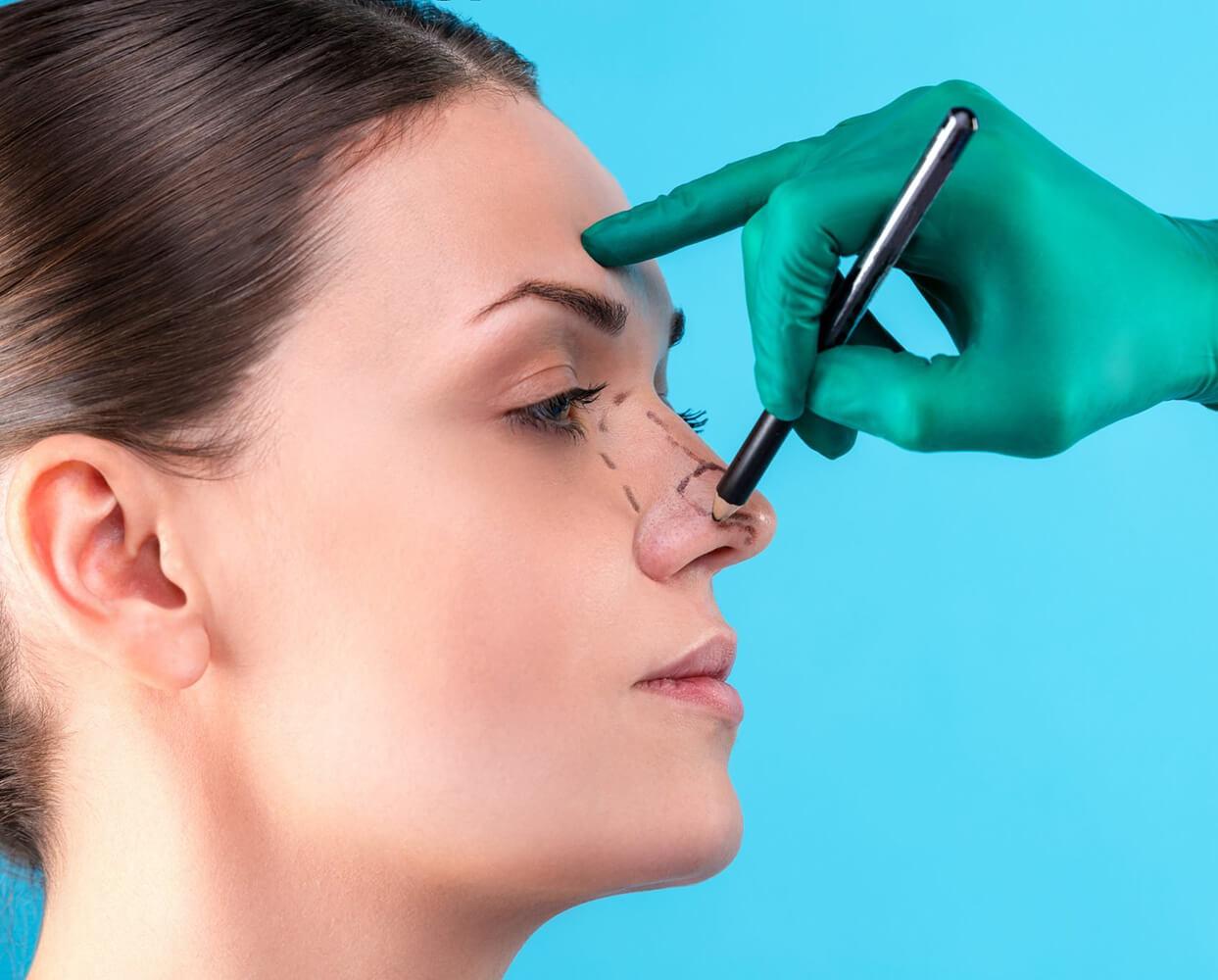
Rhinoplasty is one of the most impactful facial procedures, capable of enhancing nasal appearance, improving facial harmony, and correcting functional breathing issues. Because the nose plays a central role in overall facial balance, even subtle changes can significantly influence how a person looks and feels about their appearance.
However, one of the most important factors that determines patient satisfaction is not just surgical skill, but expectations. Realistic expectations are essential for understanding what rhinoplasty can and cannot achieve. When expectations are aligned with anatomical possibilities and surgical limitations, patients are far more likely to feel satisfied with their results. Rhinoplasty in Riyadh offers individuals the opportunity to enhance the appearance and function of their nose through advanced surgical techniques tailored to their unique facial features.
This article explains why realistic expectations matter in rhinoplasty, how they influence outcomes, and what patients should understand before undergoing surgery.
Rhinoplasty is not a simple or uniform procedure. Every nose is unique, and results depend on multiple factors such as:
Because of these variables, rhinoplasty results vary from person to person. Expectations must be grounded in what is medically and anatomically achievable.
When expectations are unrealistic, even technically successful surgeries may feel disappointing to the patient.
A well-performed rhinoplasty can significantly enhance facial harmony, but its purpose is refinement rather than perfection.
Realistic outcomes include:
The goal is to create a nose that fits naturally with the rest of the face, not to create a completely new identity.
It is equally important to understand the limitations of surgery.
Rhinoplasty cannot:
Understanding these limits helps patients avoid disappointment and unrealistic comparisons.
Every individual has unique facial proportions, which directly affect rhinoplasty outcomes.
For example:
Surgeons design the nose to complement the entire face, not to replicate a generic ideal shape.
Even after a successful surgery, the final outcome is not immediate. Healing plays a major role in how the nose ultimately looks.
Patients should understand:
Unrealistic expectations often arise when patients judge results too early in the healing process.
In today’s digital age, many patients develop expectations based on filtered or edited images.
Common issues include:
While reference images can be helpful, they cannot override anatomical limitations. Each result is unique.
Clear communication between patient and surgeon is essential for setting realistic expectations.
During consultation, a good surgeon will:
Patients who fully understand the plan before surgery are more likely to be satisfied afterward.
Emotional and psychological readiness plays an important role in rhinoplasty satisfaction.
Patients with realistic expectations tend to:
On the other hand, unrealistic expectations may lead to unnecessary dissatisfaction, even when results are objectively successful.
When expectations are not aligned with reality, patients may:
This is why surgeons emphasize expectation management as much as surgical planning.
Patients can prepare by:
Understanding how rhinoplasty works helps create realistic mental expectations.
Focus on patients with similar facial structures rather than idealized results.
Accept that anatomy and healing will influence the final outcome.
Ask clear questions about achievable changes and expected results.
One of the most important concepts in rhinoplasty is that subtle changes often create the most natural and attractive results.
Small refinements can:
Overcorrection can sometimes lead to unnatural appearances, which is why moderation is key.
For patients undergoing revision rhinoplasty, expectations must be even more carefully managed.
Revision surgery may:
However, due to scar tissue and altered anatomy, outcomes may be more limited compared to primary surgery.
Patients should also understand that rhinoplasty results evolve over time.
Even after full healing:
Realistic expectations include understanding both immediate and long-term outcomes.
Realistic expectations are one of the most important factors in achieving satisfaction with rhinoplasty. While the procedure can significantly improve facial harmony and nasal appearance, it is not about achieving perfection but about creating balance, proportion, and natural enhancement.
When patients understand what is realistically possible based on their anatomy, healing process, and surgical limitations, they are far more likely to feel confident and satisfied with their results.
Clear communication with a skilled surgeon, combined with a grounded understanding of outcomes, ensures that rhinoplasty becomes a positive and rewarding experience that enhances both appearance and self-confidence.