English
 Arabic
 French
 Spanish
 Portuguese
 Deutsch
 Turkish
 Dutch
Dutch
 Italiano
 Russian
 Romaian
 Portuguese (Brazil)
 Greek
Greek
Why are Scandinavia Winter Tours popular among Indian travelers?
Other |
2026-06-24 09:09:49
 Advertise With Us
 About Us
 Terms And Conditions
 Privacy Policy
Hepsini Gör
Privacy Policy
Hepsini Gör

Upgrade to Pro
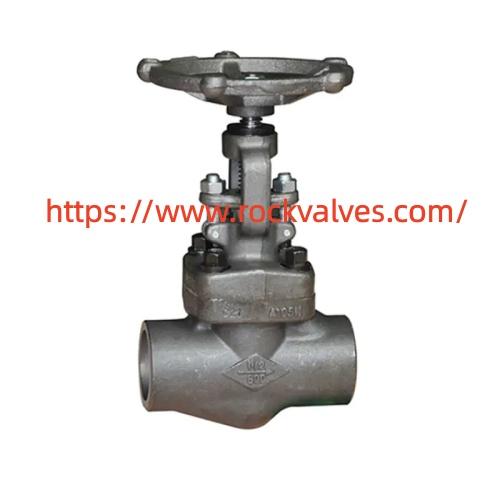
Custom Non-Standard Valves should be considered when a standard catalog configuration does not correspond with the actual requirements of an industrial project. Buyers may face unusual connection dimensions, special materials, different pressure and temperature conditions, limited installation space, or particular operating requirements. Before placing an order, it is important to provide complete application information so the manufacturer can assess the design accurately. ASME B16.34 covers pressure temperature ratings, dimensions, tolerances, materials, nondestructive examination requirements, testing, and marking for applicable steel and alloy valve constructions.
The application should be the starting point for the purchasing discussion. Buyers need to describe the medium being handled, normal operating pressure, maximum pressure, temperature range, flow conditions, and intended operating method. The Valve Manufacturers Association of America also identifies factors such as media, pressure, temperature, pipe size, installation constraints, accessibility, materials, testing, and documentation as useful information when specifying industrial valve equipment.
Drawings are especially useful when the required configuration differs from common catalog dimensions. A two dimensional drawing, three dimensional model, existing equipment sample, or detailed dimensional sketch can give the manufacturer a clearer reference. Connection type, bore dimensions, flange arrangement, mounting position, overall height, face to face dimensions, and auxiliary connections should be identified where applicable.
Material selection deserves similar attention. The body, bonnet, stem, closure components, seats, packing, bolting, and other parts may require different material considerations depending on the working medium and environment. Buyers should provide information about corrosion conditions, temperature changes, fluid composition, and expected operating frequency. This allows the manufacturer to review whether the proposed material combination corresponds with the intended service.
Pressure and temperature requirements should be stated clearly rather than estimated from the pipeline size. ASME B16.34 specifically addresses pressure temperature ratings along with materials, dimensions, testing, and marking. If a project requires conditions outside a common rating arrangement, the engineering basis should be discussed before production. Purchasers should also identify any governing industry standard that needs to be included in the technical specification.
Connection details can have a direct effect on installation. Buyers should confirm whether the equipment will use flanged, threaded, welded, or another connection arrangement. They should also provide applicable dimensional standards and mating component information. This is particularly useful when replacing an existing unit where available space and existing pipe alignment cannot easily be changed.
Operating arrangements should also be discussed early. Manual operation may suit some installations, while electric, pneumatic, hydraulic, or gearbox arrangements may be required in other applications. Power supply, available space, operating frequency, actuator mounting, and control accessories can affect the final configuration. These details are easier to coordinate when they are included in the original purchasing request.
Inspection and documentation should not be left until the final production stage. Buyers may require pressure testing, dimensional inspection, material certificates, nondestructive examination, inspection reports, drawings, nameplate information, or other project records. ASME B16.34 includes requirements related to nondestructive examination, testing, and marking, although the exact requirements applicable to a project depend on the selected design and governing specifications.
Rockvalves works with project specific industrial valve requirements by discussing application conditions, drawings, materials, connection details, operating arrangements, and inspection needs with customers. This helps engineering and purchasing teams establish a clearer technical basis before manufacturing starts.
Before sending a purchase order, buyers can prepare a specification sheet containing the medium, pressure, temperature, size, connection type, material requirements, operating method, applicable standards, testing requirements, quantity, and documentation needs. If an existing unit is being replaced, photographs, drawings, dimensional records, and sample components can provide additional reference points.
A careful review at this stage can help identify missing information before production begins. It also gives both sides a common reference for technical discussions, quotation preparation, drawing approval, manufacturing, and inspection. For projects requiring specially configured industrial equipment, buyers can review Rockvalves product information at https://www.rockvalves.com/product/ and discuss the application details needed for their project.