English
 Arabic
 French
 Spanish
 Portuguese
 Deutsch
 Turkish
 Dutch
Dutch
 Italiano
 Russian
 Romaian
 Portuguese (Brazil)
 Greek
Greek
Exploring Bird Bath Optical Module Technology for Next-Generation AR and VR Devices
Other |
2026-08-19 07:01:11
 Advertise With Us
 About Us
 Terms And Conditions
 Privacy Policy
See All
Privacy Policy
See All

Upgrade to Pro
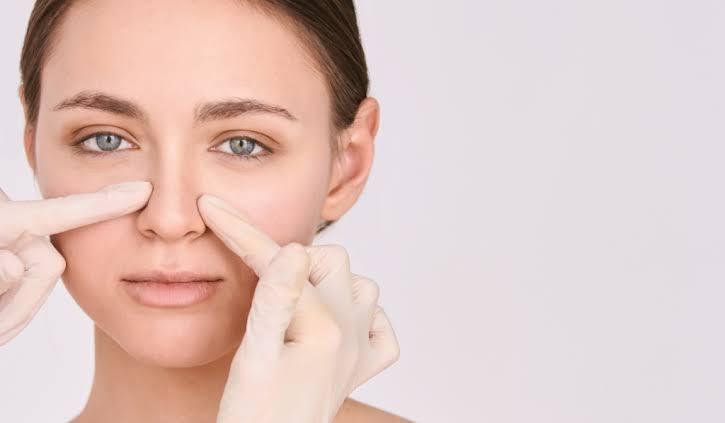
Rhinoplasty in Pakistan is a surgical procedure designed to reshape the nose and improve its size, shape, proportions, or function. Some Pakistani patients consider it for cosmetic reasons, such as a prominent nasal hump, wide bridge, uneven nostrils, or an unbalanced nasal tip. Others may seek surgery because of breathing difficulties, a deviated septum, or previous nasal injury.
Before choosing surgery, patients should understand that rhinoplasty is highly individualized. The goal is generally not to create an identical nose from a photograph but to achieve a shape that complements the patient's facial features while maintaining or improving nasal function.
Rhinoplasty, often called nose reshaping surgery, changes the underlying bone, cartilage, and soft tissue of the nose. Depending on the patient's concerns, surgery may refine the nasal tip, modify the bridge, reduce or increase nasal size, narrow the nostrils, or improve facial balance. In some cases, structural problems affecting breathing can also be addressed.
For Pakistani patients, facial proportions, skin thickness, nasal structure, and individual anatomy should all be considered during treatment planning. A personalized approach can help produce a more natural-looking result rather than an overly standardized appearance.
Patients may choose rhinoplasty for a variety of reasons. Common concerns include:
Rhinoplasty can address both appearance and certain functional concerns, although the exact results depend on the patient's anatomy and surgical plan.
Rhinoplasty is not appropriate for everyone. Generally, suitable candidates should have completed facial growth, be in reasonable physical health, and have realistic expectations about what surgery can achieve. Patients should also understand that perfect symmetry is not always possible because natural facial asymmetry is common.
A consultation is important before making a decision. During this appointment, the surgeon can evaluate the nasal structure, discuss the patient's goals, identify functional concerns, and explain the most appropriate surgical approach.
Choosing a qualified and appropriately trained surgeon is one of the most important decisions a patient can make. Pakistani patients should ask about the surgeon's qualifications, specific experience with rhinoplasty, surgical facility, recommended technique, expected recovery, possible complications, and management of unexpected outcomes.
It is also useful to review relevant before-and-after photographs and discuss whether the desired result is realistic for your particular facial structure.
Preparation varies from patient to patient. Your surgeon may recommend medical tests, adjustments to certain medications, stopping smoking, and avoiding medicines or supplements that can increase bleeding. Patients should follow their surgeon's specific pre-operative instructions rather than relying on general advice.
Arrange transportation after surgery and, when advised, have someone available to assist you during the initial recovery period.
Swelling, bruising, congestion, and temporary discomfort are common after rhinoplasty. A splint or dressing may be used during the early healing period. Many patients can return to light daily activities within the first couple of weeks, although the exact timeline varies.
One important point is that the nose does not reach its final appearance immediately. Initial swelling usually improves within weeks, but subtle swelling and contour changes can continue for many months. The final nasal contour may take up to a year or longer to fully refine.
Like any surgical procedure, rhinoplasty carries potential risks. These may include infection, bleeding, anesthesia-related complications, changes in sensation, breathing difficulties, scarring, asymmetry, dissatisfaction with appearance, and the possibility of revision surgery.
Patients should discuss these risks openly during consultation and understand how complications would be managed if they occur.
No. Rhinoplasty can improve the appearance of the nose and may also address certain structural problems that affect breathing.
Initial swelling and bruising generally improve over the first few weeks, but complete refinement of the nasal shape can take many months and sometimes up to a year or longer.
Not necessarily. Natural facial asymmetry is common, so the goal is usually improved balance and proportion rather than absolute symmetry.
Rhinoplasty produces long-lasting structural changes, although natural aging can gradually alter the appearance of the nose over time.
Discuss your aesthetic goals, breathing concerns, medical history, medications, surgical technique, expected recovery, potential risks, realistic results, and what will happen if revision treatment becomes necessary.
Rhinoplasty is a highly personalized procedure that can improve nasal appearance, facial balance, and, in selected cases, nasal function. Pakistani patients should focus on realistic expectations, appropriate surgical expertise, careful preparation, and proper follow-up rather than choosing treatment based solely on photographs or price. A detailed consultation is the best way to determine whether surgery is appropriate and what outcome can realistically be achieved.