English
 Arabic
 French
 Spanish
 Portuguese
 Deutsch
 Turkish
 Dutch
Dutch
 Italiano
 Russian
 Romaian
 Portuguese (Brazil)
 Greek
Greek
Recommended Title Murdle: Volume 1 by G T Karber
Shopping |
2026-07-02 02:39:24
 Advertise With Us
 About Us
 Terms And Conditions
 Privacy Policy
Ver Todo
Privacy Policy
Ver Todo

Upgrade to Pro
Did you know that your brain sends chemical signals every few hours to keep your reproductive system functioning? Luteinizing Hormone (LH) & Follicle Stimulating Hormone (FSH) are these messengers - these molecules travel from your pituitary gland to your gonads, acting as the primary controllers for hormone production and fertility. Without them, the body cannot produce testosterone or mature eggs effectively.
You might hear these called "gonadotropins" in a doctor's office. Think of them as the electrical current that turns on the lights in a house. When the levels fluctuate, your energy, mood and ability to conceive change. Understanding how they work is the first step in taking control of your endocrine health.
LH is the trigger for vital biological actions - In women, a sharp increase in this hormone causes the release of an egg from the ovary - this event is what most ovulation test kits look for. Once the egg leaves, LH helps the remaining structure produce progesterone, which is necessary for a healthy pregnancy. If this signal is weak, the cycle becomes irregular.
In men, the role is slightly different but equally important. LH travels to specific cells in the testes to stimulate the creation of testosterone - this is why men with low libido or low energy often have their LH levels checked. It is the direct "instruction" for the body to make its own natural male hormones.
Maintaining an even level of LH ensures that your body stays in an anabolic state. When LH is low, the testes or ovaries do not get the message to work - this can lead to muscle loss, fatigue or difficulty starting a family. Because LH is released in pulses, its levels can change throughout the day.
While LH handles the "production" side of things, FSH focuses on the "growth" side. In the female body, it stimulates the growth of ovarian follicles before one is chosen for ovulation. High FSH levels often indicate that the body is working harder than usual to get the ovaries to respond, which sometimes happens as women age.
In the male body, FSH is the primary driver of sperm production. It acts on the tubules where sperm cells develop. Even if a man has high testosterone, low FSH can lead to a low sperm count. Both hormones must work together to ensure that the reproductive system is fully functional.
Your body operates on a delicate feedback loop - The hypothalamus in your brain releases a hormone called GnRH - this chemical tells the pituitary gland to release LH besides FSH. Once your testosterone or estrogen levels reach a certain point, they signal the brain to slow down. It is a constant balancing act that happens every minute of the day.
Sometimes this loop breaks - Stress, poor diet or external factors can disrupt the brain's ability to signal correctly. When the brain stops sending these pulses, the reproductive organs go into a "sleep" mode - this is often seen in athletes who overtrain or individuals with high levels of chronic stress.
Understanding this loop helps you see why health is holistic. You cannot just look at one hormone in isolation. You must look at how the brain and the body talk to each other. If you feel "off" it might be because the communication lines between your head and your reproductive system are fuzzy.
Many people look for ways to jumpstart this internal communication. Some researchers look into compounds that mimic the brain's signals to restart natural production. As an example, individuals often read a detailed comparison of fertility protocols to understand how different substances influence LH or FSH levels during recovery from medical treatments.
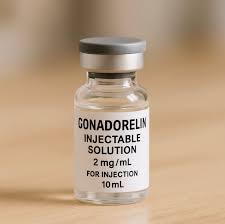
One specific approach involves using peptides that act like the master signal, GnRH - those interested in the science of hormonal signaling often find a research overview of synthetic peptides helpful for learning how the pituitary gland responds to external stimulation - these tools are often used in clinical settings to help those struggling with low natural output.
Blood tests for LH next to FSH act like a diagnostic map - If both are very high, it usually means the brain is screaming for more hormones but the ovaries or testes are not responding - this is common in menopause or primary testicular failure. It shows that the "engine" is broken even though the "battery" is fully charged.
Conversely, if both LH besides FSH are low, the issue is likely in the brain. The pituitary gland is not sending the signals required for the body to function - this can be caused by various factors, including certain medications, extreme weight loss or issues with the pituitary gland itself. Identifying which part of the system is failing is the first step toward a solution.
Monitoring these levels over time provides a clear picture of your biological age and vitality. If you are trying to build muscle, improve your mood or start a family, the two hormones are the foundation of your success. Keep an eye on them to ensure your body remains in its best possible state.
LH primarily triggers the production of sex hormones like testosterone and causes ovulation. FSH focuses on the growth of eggs in women and the production of sperm in men. They work as a team to manage fertility and secondary sexual characteristics.
Yes, lifestyle choices play a massive role - Getting at least seven hours of sleep, eating healthy fats and managing stress can help your brain send stronger signals. Avoiding excessive alcohol is also key, as toxins can blunt the pituitary response.
A doctor usually orders these tests if you are having trouble conceiving, experiencing irregular periods or showing signs of low testosterone - these tests help determine if a hormonal problem starts in the brain or in the reproductive organs themselves.
While they don't directly control your emotions, they control the hormones that do. Since LH besides FSH manage testosterone and estrogen, low levels can lead to irritability, sadness or a lack of motivation. Keeping them balanced is vital for mental clarity.