English
 Arabic
 French
 Spanish
 Portuguese
 Deutsch
 Turkish
 Dutch
Dutch
 Italiano
 Russian
 Romaian
 Portuguese (Brazil)
 Greek
Greek
Health-Conscious Consumers Fuel North America Kombucha Market Growth
Other |
2026-06-24 08:33:58
 Advertise With Us
 About Us
 Terms And Conditions
 Privacy Policy
See All
Privacy Policy
See All

Upgrade to Pro
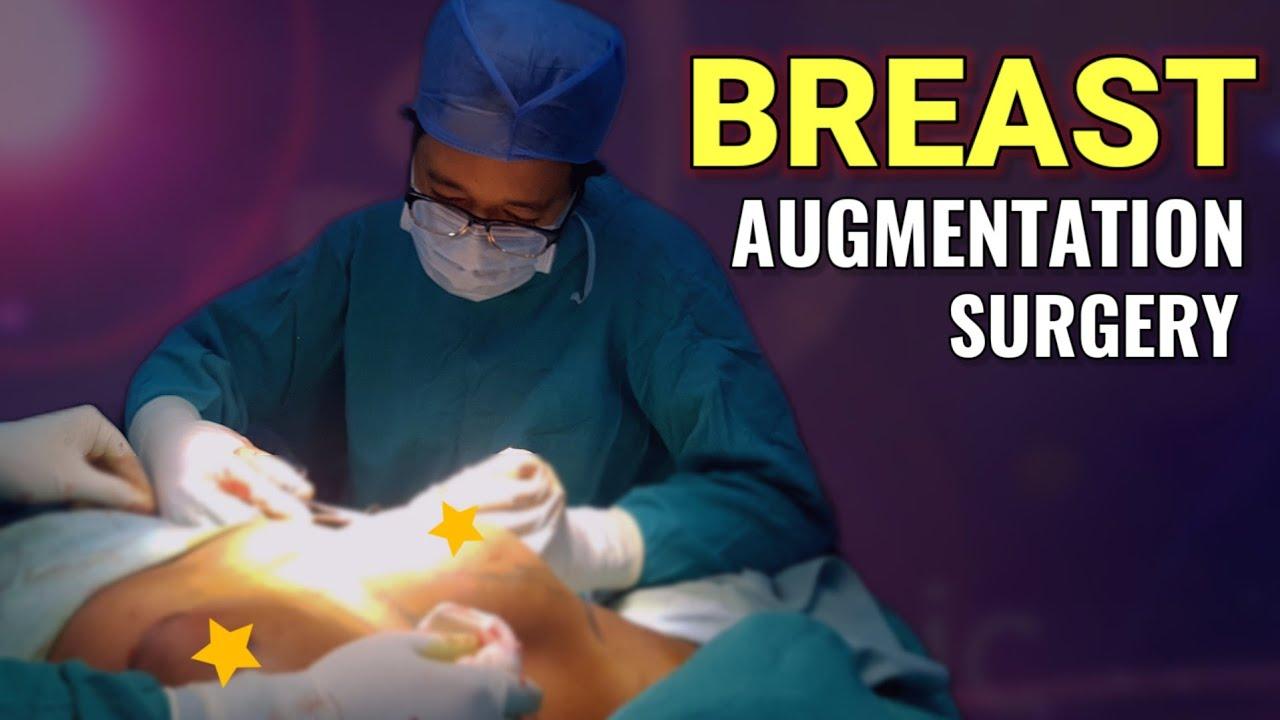
Breast augmentation in Jeddah can be an effective way to enhance breast volume and improve body proportions, but patients should understand that implants are medical devices and require informed decision-making. Before surgery, it is important to learn about implant options, potential complications, recovery, and long-term care.
Breast implant safety involves more than the surgical procedure itself. Appropriate implant selection, careful surgical planning, postoperative monitoring, and awareness of changes over time all contribute to responsible implant care. Patients should have realistic expectations and understand that breast implants are not considered lifetime devices.
Breast implants are designed to be used inside the body for breast enhancement.
Like other medical devices, they can have potential complications.
These complications can occur during the early recovery period or years after surgery.
Understanding these possibilities allows patients to make informed decisions.
Implants come in different sizes, shapes, profiles, and filling materials.
The appropriate implant depends on the patient's anatomy and desired result.
Selecting an implant that is too large for the available tissue may increase certain aesthetic and mechanical concerns.
The surgeon should evaluate the patient's breast width, tissue thickness, skin quality, and chest dimensions before recommending an implant.
Silicone gel implants contain silicone gel inside an outer shell.
Modern implants use cohesive gel formulations designed to maintain their structure.
Patients considering silicone implants should discuss their specific implant type and its expected characteristics with their surgeon.
Long-term monitoring and medical evaluation should be considered part of implant ownership.
Saline implants contain sterile saline solution.
If a saline implant ruptures, the saline is generally absorbed by the body, and the breast may lose volume relatively quickly.
However, the implant shell may still need to be removed or replaced.
Patients should discuss the differences between saline and silicone before choosing an implant.
Implant rupture is one potential long-term complication.
The signs can differ depending on the type of implant.
Saline rupture may be noticeable because the breast can lose volume.
Silicone rupture may not always cause obvious changes in breast appearance.
Patients should discuss appropriate monitoring with their healthcare provider.
Patients should pay attention to significant changes in breast appearance.
These can include changes in size, shape, firmness, or position.
Although natural aging can cause changes, sudden or unusual changes should be evaluated.
Early professional assessment can help determine whether an implant-related problem exists.
The body naturally forms scar tissue around a breast implant.
This scar tissue is called the capsule.
In some patients, the capsule becomes unusually firm or contracts around the implant.
This condition is known as capsular contracture.
It can alter breast shape, firmness, and comfort.
An implant can move from its intended position.
Displacement may result from various factors, including tissue characteristics, healing, trauma, or other circumstances.
Significant changes in breast position should be assessed by a qualified medical professional.
Infection is a potential complication following breast surgery.
Patients should follow postoperative instructions carefully and monitor the incision.
Increasing redness, swelling, pain, drainage, or fever should not be ignored.
Prompt medical evaluation is important if infection is suspected.
Bleeding can occur after surgery.
A collection of blood around the implant is called a hematoma.
Significant swelling, sudden breast enlargement, or severe discomfort should be evaluated promptly.
Patients should follow their surgeon's postoperative instructions regarding activity and medication.
Breast augmentation can cause temporary or permanent changes in breast or nipple sensation.
Some patients experience numbness, while others notice increased sensitivity.
Nerve recovery may take time.
Patients should discuss possible sensory changes before surgery.
Every surgical incision creates a scar.
The location and appearance of the scar depend on the surgical technique and individual healing.
Some scars become very subtle over time, while others may remain more visible.
Patients should have realistic expectations regarding scar formation.
Patients with thin breast tissue may be able to see or feel implant edges more easily.
This can depend on implant size, placement, profile, and natural tissue coverage.
Choosing an appropriate implant for the patient's anatomy can help reduce certain aesthetic concerns.
Rippling refers to visible or palpable folds in an implant.
It can be more noticeable in patients with limited natural tissue coverage.
The likelihood can depend on implant type, size, placement, and tissue characteristics.
Patients should discuss this possibility during consultation.
Implants can be positioned above or below the chest muscle, or through a dual-plane technique.
The appropriate position depends on anatomy and aesthetic goals.
Additional tissue coverage may be useful for selected patients.
The surgeon should explain why a particular placement is recommended.
Safe surgery begins with an appropriate preoperative assessment.
Medical history, medications, allergies, previous procedures, and relevant health information should be discussed.
Patients should provide accurate information to the medical team.
This allows the surgical team to identify factors that may influence the procedure or recovery.
Patients may receive instructions concerning medications, supplements, smoking, eating, drinking, and other preparation requirements.
These instructions should be followed carefully.
Patients should never stop prescribed medications without professional advice.
Postoperative instructions are equally important.
Patients may receive guidance regarding wound care, support garments, medication, sleeping positions, physical activity, and follow-up appointments.
Following these recommendations can support the healing process.
Strenuous exercise should generally be avoided during the early recovery period.
Heavy lifting and demanding upper-body movements can place stress on healing tissues.
Patients should gradually return to exercise after receiving appropriate clearance.
Healing incisions should be protected.
Patients should follow instructions regarding bathing, dressings, and wound care.
Unapproved creams or products should not be applied to fresh surgical wounds.
Follow-up appointments allow the surgeon to evaluate healing and implant position.
Patients should attend these appointments even when recovery appears normal.
Long-term follow-up can also help identify changes that may require evaluation.
Breast implants do not eliminate the need for breast screening.
Patients should continue recommended breast health checks.
They should inform imaging professionals that they have breast implants so appropriate techniques can be used.
Pregnancy can change the appearance of augmented breasts.
Breast tissue expands and contracts during pregnancy and breastfeeding.
These changes may affect skin elasticity and breast position.
Women considering future pregnancy should discuss this before surgery.
Significant weight changes can affect breast appearance.
Weight loss may reduce natural tissue surrounding the implant, while weight gain can increase breast volume.
Maintaining a relatively stable weight may help preserve proportions, although natural changes can still occur.
Breast augmentation does not stop the aging process.
Skin gradually loses elasticity, and breast tissue may change.
The implant can remain in place while the surrounding breast changes.
Some patients may eventually consider revision surgery.
Breast implants are not lifetime devices.
Some patients may never require replacement, while others may need revision because of complications or changes in personal preference.
Patients should understand this possibility before surgery.
Revision surgery may become necessary because of implant rupture, capsular contracture, displacement, significant asymmetry, aging, pregnancy-related changes, or other circumstances.
Revision surgery is not automatically required after a specific number of years.
The need depends on the individual situation and implant condition.
Patients should become familiar with their normal breast appearance after healing.
New or unusual changes should be discussed with a healthcare professional.
These may include sudden swelling, significant firmness, persistent pain, changes in size, or changes in breast shape.
Not every change indicates an implant problem.
Breasts can naturally change with age, weight, hormones, and other factors.
However, patients should not ignore persistent or concerning symptoms.
Professional evaluation provides the most reliable way to determine the cause.
Choosing an appropriately qualified plastic surgeon is an important safety consideration.
Patients should consider professional training, relevant surgical experience, facility standards, and postoperative follow-up.
A responsible consultation should include both benefits and potential complications.
Patients should never feel pressured to undergo breast augmentation.
They should have enough time to consider the benefits, limitations, alternatives, risks, recovery, and long-term responsibilities.
Questions should be encouraged throughout the decision-making process.
Breast augmentation in Jeddah can provide satisfying enhancement when it is carefully planned and performed with appropriate medical care. However, patients should understand that breast implants are medical devices with potential short-term and long-term complications.
Choosing an appropriate implant, following preoperative and postoperative instructions, attending follow-up appointments, and remaining aware of changes in breast appearance are important aspects of responsible implant care.
Patients should discuss implant material, size, placement, potential complications, screening, future pregnancy, and long-term monitoring with a qualified plastic surgeon. With realistic expectations and informed decision-making, women can approach breast augmentation with a better understanding of both its benefits and responsibilities.