English
 Arabic
 French
 Spanish
 Portuguese
 Deutsch
 Turkish
 Dutch
Dutch
 Italiano
 Russian
 Romaian
 Portuguese (Brazil)
 Greek
Greek
Pico Laser Treatment in Dubai | Improve Skin Texture & Appearance
Health |
2026-08-04 07:11:58
 Advertise With Us
 About Us
 Terms And Conditions
 سياسة الخصوصية
عرض كل النتائج
سياسة الخصوصية
عرض كل النتائج

ترقية الحساب
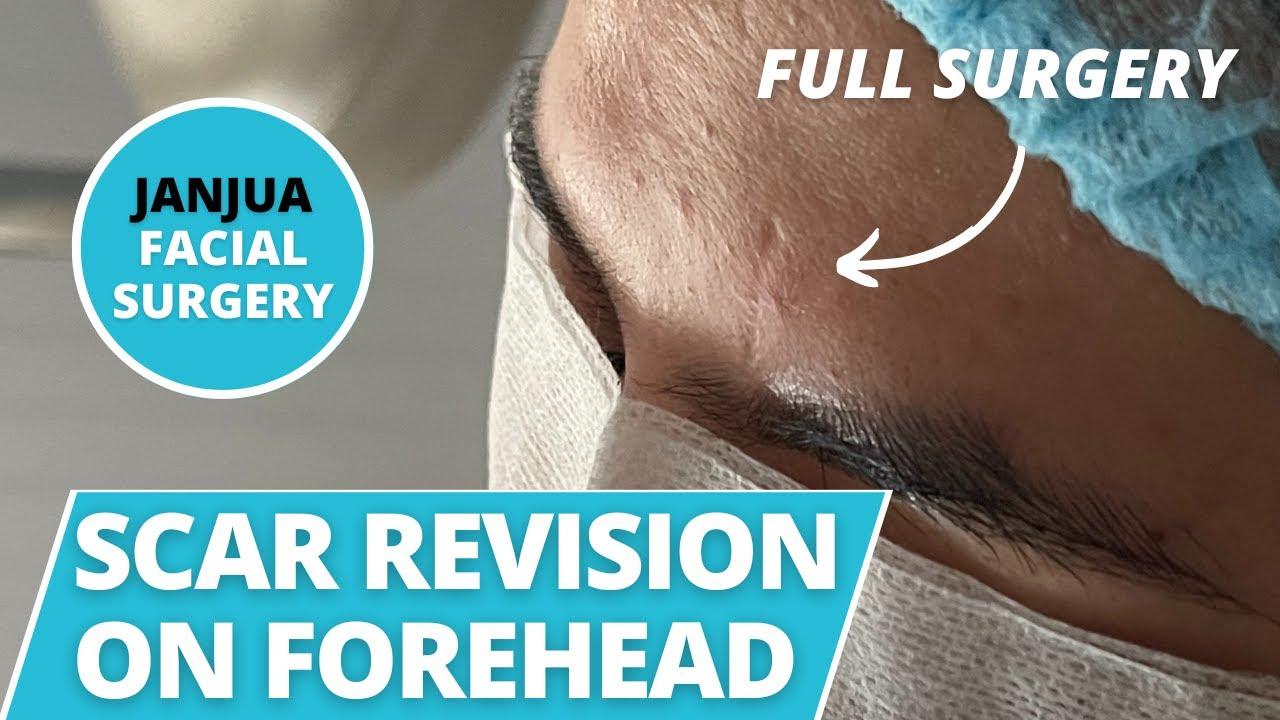
The face is the most significant anatomical region for personal identity and social communication. Because facial skin is thin, highly mobile, and constantly exposed to light, even a minor scar can create a noticeable disruption in symmetry or texture. Surgical Scar Revision Riyadh leverages the face's exceptional blood supply to achieve results that are often superior to other areas of the body. By applying microsurgical precision and respecting the natural "topography" of the face, specialists can transition a prominent mark into a discreet line that follows the natural creases and shadows of the facial structure.
The most critical factor in facial scar revision is the alignment of the new incision with the Relaxed Skin Tension Lines (RSTLs). These are the natural "grain" of the skin, often visible as fine wrinkles or expression lines.
Working with the Grain: When a scar is surgically revised to run parallel to these lines, the natural movement of facial muscles (like smiling or squinting) pushes the wound edges together.
The Result: A scar that "hides" within a natural fold, such as a nasolabial fold or a forehead crease, becomes virtually invisible to the casual observer because it mimics a natural feature of the face.
Different areas of the face require unique surgical approaches to maintain both aesthetic harmony and functional integrity.
Scars near the eyes or mouth are particularly challenging because they can cause "pulling" or distortion.
Z-Plasty for Release: If a scar is pulling the corner of the lip downward or causing an eyelid to droop, a Z-Plasty is used to redirect the tension. By transposing small skin flaps, the surgeon releases the "tether," restoring the natural shape and function of the feature.
On flat, broad surfaces like the cheeks or forehead, straight lines are easily detected by the eye.
Geometric Disruption: The surgeon uses a W-Plasty to turn a straight traumatic scar into a series of interlocking zigzags. This breaks up the light reflection, preventing the "shine" often seen on facial scars and allowing the mark to blend into the skin's natural pore texture.
Facial scars are often visible not because of their color, but because they cast a shadow. This occurs with "pitted" acne scars or sunken traumatic marks.
Subcision: The surgeon releases the fibrous bands that pull the skin downward.
Structural Fat Grafting: To prevent the depression from returning, a microscopic amount of the patient’s own fat can be placed beneath the scar. This restores the volume, ensuring the skin is perfectly level with the surrounding area and eliminating the shadow that draws the eye.
Because the sun in Riyadh is intense, facial scar revision requires a rigorous post-operative commitment to prevent hyperpigmentation.
Microsutures: Surgeons use sutures finer than a human hair to close facial incisions. These are typically removed within 5 to 7 days to prevent any "cross-hatching" marks.
UV Shielding: The new skin is highly sensitive to UV rays. Patients are prescribed medical-grade mineral sunscreens and advised to use wide-brimmed hats for the first six months to ensure the new scar matures into a pale, faint line.
Laser Polishing: Once the surgical site has healed (around 8–12 weeks), many patients undergo a session of Fractional Laser treatment. This "sands down" the microscopic edges of the new scar, blending the texture perfectly with the surrounding skin.
Facial scar revision is a masterclass in clinical detail. It is a procedure that rewards patience and precision, offering a definitive solution for those whose history is written too prominently on their face. By addressing the scar's relationship to tension lines, its depth, and its interaction with facial movement, Surgical Scar Revision in Riyadh provides a path to reclaiming your natural appearance. The result is more than just clearer skin; it is the restoration of facial harmony and the confidence to engage with the world without the distraction of a past injury.