English
 Arabic
 French
 Spanish
 Portuguese
 Deutsch
 Turkish
 Dutch
Dutch
 Italiano
 Russian
 Romaian
 Portuguese (Brazil)
 Greek
Greek
Jun88: How Digital Tools Are Changing the Way Fans Follow Sports
Games |
2026-08-13 08:26:23
 Advertise With Us
 About Us
 Terms And Conditions
 Privacy Policy
TOON ALLES
Privacy Policy
TOON ALLES

Upgrade to Pro
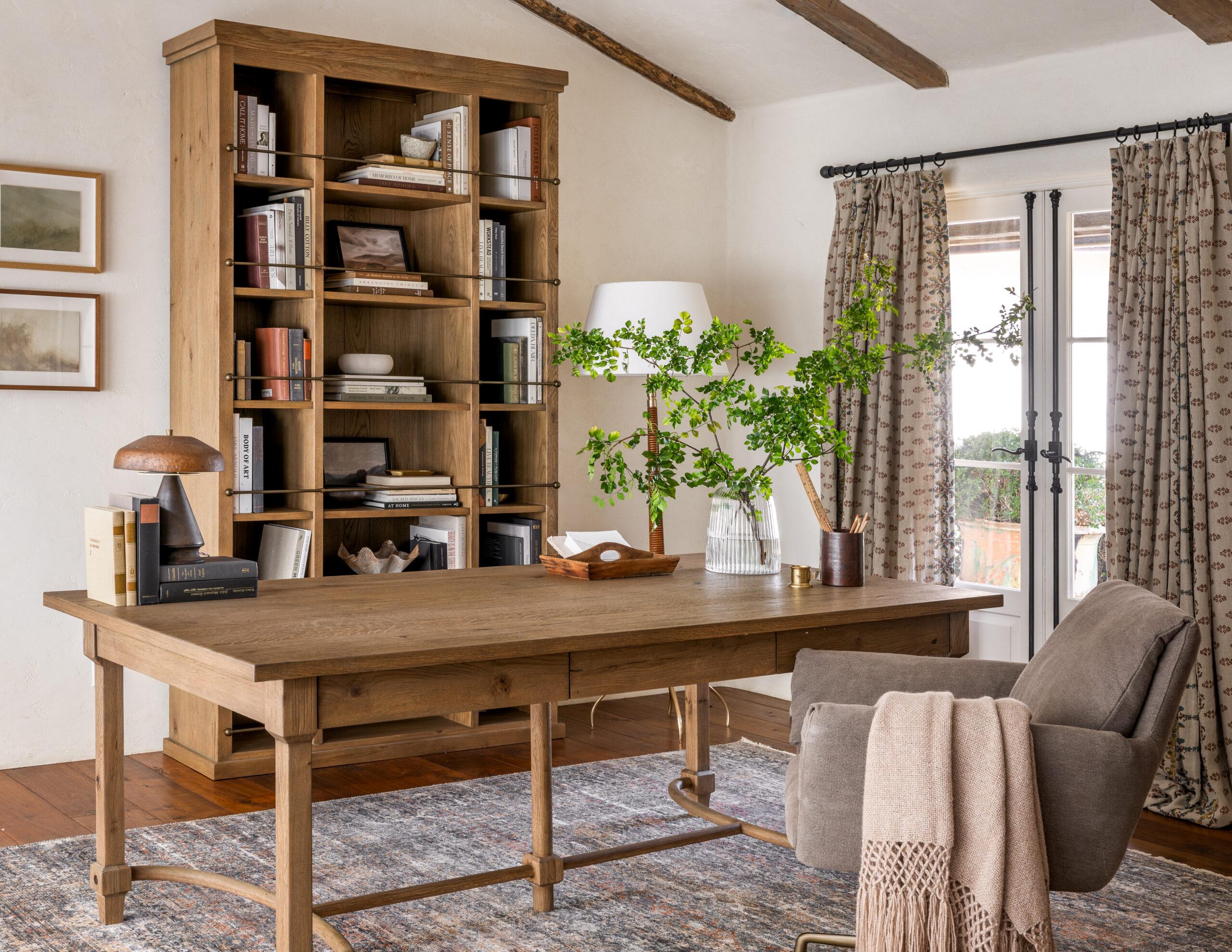
A well-designed home office should support productivity without feeling like a purely functional workspace. Thoughtful home office styling can combine comfortable furniture, practical storage, suitable lighting, and personal details to create an environment that feels both efficient and inviting. The goal is to build a room where everything has a purpose while still reflecting the personality of the person using it. A visually appealing workspace can also make everyday routines feel more enjoyable and organized. With the right balance of function and design, even a small corner can become a productive and comfortable office.
Before choosing furniture or accessories, consider how you actually use your home office. Someone who spends most of the day working on a computer will have different requirements from a person who uses the room occasionally for paperwork, creative projects, or study. Think about equipment, storage, seating, lighting, and the amount of surface area required for daily tasks. Understanding these needs prevents you from filling the room with attractive pieces that do not support your routine. Function should establish the foundation before decorative choices are introduced.
Consider whether the workspace needs to serve multiple purposes. A home office may also function as a guest room, reading area, hobby space, or meeting area depending on the home. In these situations, flexible furniture can make the room more useful without creating unnecessary clutter. Foldable tables, compact storage, movable seating, and multifunctional cabinets can help the space adapt. Good planning ensures that aesthetic improvements never interfere with the primary purpose of the room.
The desk is often the most important piece of furniture in a home office because it determines how comfortably and efficiently the workspace functions. Choose a surface that provides enough room for your computer, documents, lighting, and other frequently used items. The desk should also fit comfortably within the room without restricting movement or access to storage. Pay attention to height, legroom, construction quality, and cable management when evaluating different designs. A visually attractive desk is only successful when it also supports comfortable everyday use.
Material and style can then be selected according to the wider interior. A natural wood desk can create warmth, while a metal or glass design may suit a more contemporary environment. If the room contains vintage furniture, a traditional wooden desk can create continuity without requiring every item to match. Keep the desk surface relatively clear so its design remains visible and your workspace stays organized. A combination of practical storage and limited desktop accessories can maintain both functionality and visual appeal.
A chair should never be chosen solely because it looks attractive. Since many people spend several hours working at a desk, seating comfort and adjustability are important considerations. Look for a chair that provides appropriate support and allows you to maintain a comfortable working position. Features such as adjustable height, suitable back support, and adequate seat depth can improve everyday usability. The right chair can also reduce the temptation to work from less suitable furniture such as a sofa or dining chair.
A contemporary office chair can be paired with more traditional or decorative furniture without disrupting the overall design. If appearance is especially important, consider upholstery, frame finishes, and proportions that complement the desk and surrounding room. A chair with a simple silhouette can blend into a carefully styled interior while still providing practical support. Avoid sacrificing comfort merely to achieve a particular visual theme. Effective home office styling should make the workspace pleasant to use throughout the entire workday.
Clutter can quickly reduce both productivity and visual appeal, making storage one of the most important parts of an effective home office. Identify the items that need to remain accessible and those that can be stored away. Drawers, cabinets, shelves, baskets, and organizers can each serve different purposes depending on the type of work you perform. Frequently used materials should be easy to reach, while paperwork and equipment that are rarely needed can be placed in closed storage. A thoughtful system keeps the office organized without requiring constant tidying.
Open shelving can display books, artwork, plants, and selected decorative objects, but it should not become a dumping ground for miscellaneous items. Closed storage is useful for hiding cables, office supplies, paperwork, and equipment that can make the room look visually busy. Use containers that complement the overall color and material palette so practical storage becomes part of the design. Labeling frequently accessed storage can also save time during busy workdays. The best organization system is one that is simple enough to maintain consistently.
Lighting affects both the appearance and usability of a home office. Natural daylight can make the room feel brighter and more comfortable, so position the desk near a window when practical while considering glare on screens. A task lamp can provide focused illumination for reading, writing, or detailed work. Ambient lighting can then provide general brightness during darker hours. Combining several types of lighting allows the workspace to adapt to different tasks and times of day.
The style of the lighting should also contribute to the room's overall character. A sculptural lamp can function as both a practical light source and a decorative focal point, while a simple contemporary fixture can reinforce a minimalist aesthetic. Avoid placing strong light directly behind or in front of a screen if it creates distracting reflections. Consider how light falls on walls, furniture, and artwork as well. Good lighting should support productivity while making the office feel comfortable and visually balanced.
A home office should feel personal rather than resembling a generic commercial workspace. Artwork, photographs, books, plants, ceramics, and meaningful objects can introduce personality without interfering with productivity. Select a limited number of pieces that genuinely contribute to the atmosphere rather than filling every empty surface. One strong artwork or decorative object can often create more impact than a collection of small items. Keeping some areas intentionally empty also gives the room a sense of calm.
Color is another effective way to personalize the workspace. Neutral furniture can be complemented by an accent wall, colorful artwork, patterned rug, or upholstered chair. If the office is part of a larger open-plan area, repeat colors or materials from nearby rooms to create visual continuity. Avoid introducing too many unrelated shades because they can make a small workspace feel busy. A controlled palette allows personal details to stand out while preserving an organized appearance.
Although statement dining furniture is traditionally associated with dining areas, selected pieces can sometimes work surprisingly well in a home office. A distinctive dining chair can become an occasional reading or guest chair, while a compact dining table may function as a spacious creative or meeting desk. Vintage dining cabinets and sideboards can also provide attractive storage for office materials. These pieces can bring stronger character than conventional office furniture while giving the room a more residential atmosphere. The key is to select pieces that match the workspace dimensions and functional requirements.
When incorporating statement furniture, pay close attention to scale and comfort. A large dining table may look impressive but can overwhelm a small office or reduce useful floor space. Likewise, a decorative dining chair may not provide sufficient support for extended computer work. Use statement pieces primarily where their aesthetic contribution makes sense, and combine them with ergonomic essentials where needed. This creates an office that feels distinctive without compromising everyday functionality.
A consistent material palette can make different furniture styles feel connected. Wood, metal, glass, leather, fabric, stone, and natural fibers each contribute different levels of warmth and texture. You do not need to use identical materials throughout the room, but repeating a few key finishes can create visual harmony. For example, a wooden desk can relate to a timber shelf, while metal details can be repeated through lighting and chair frames. This approach creates continuity without making the room appear overly coordinated.
Texture is equally valuable because it can make a functional workspace feel more comfortable. A woven rug, upholstered chair, linen curtains, or natural wood surface can soften the harder lines of technology and office equipment. Plants can also introduce organic texture and help break up large areas of furniture. Choose materials according to durability and maintenance needs as well as appearance. A home office should be attractive enough to inspire you but practical enough to handle daily use.
A beautiful office can still be frustrating if the furniture arrangement restricts movement. Before finalizing the layout, identify the main paths through the room and ensure that drawers, cabinet doors, and chairs can be used without obstruction. Avoid placing furniture directly in front of doors, windows, heating units, or essential outlets where possible. If the office is small, prioritize the pieces that are necessary for work and avoid filling every available area. Open floor space can make a compact office feel significantly more comfortable.
Consider the position of your desk in relation to natural light, electrical outlets, storage, and visual distractions. Some people prefer facing a wall for concentration, while others work better when positioned toward a window or open room. Video calls may also influence where the desk should be placed because the background becomes part of the workspace. Test different arrangements before committing to a final layout. A flexible approach can reveal practical problems before they become expensive furniture-moving exercises.
Modern workspaces often contain multiple devices, chargers, cables, monitors, and accessories that can quickly undermine a carefully designed interior. Cable management should therefore be treated as part of the overall styling strategy rather than an afterthought. Use suitable clips, trays, sleeves, or built-in desk management features to keep wires organized. Store chargers and less frequently used devices in designated locations instead of leaving them scattered across the desk. A clean technology setup makes the office look more polished and can also reduce daily frustration.
Monitor placement and equipment size should also be considered when choosing furniture. A desk may look spacious in photographs but provide limited room once a monitor, keyboard, speakers, and paperwork are added. Measure your equipment before purchasing a desk or storage unit. If you regularly use multiple screens, ensure the desk can accommodate them without forcing you into an uncomfortable working position. Technology should fit naturally into the room rather than becoming the dominant visual element.
The strongest home office styling strategies do not treat function and aesthetics as separate goals. A storage cabinet can also become a visual focal point, while a well-designed desk can improve both productivity and the appearance of the room. Statement dining furniture can provide personality when selected carefully, while modern lighting can add character and practical illumination. Every major piece should contribute to the way the office works and looks. This mindset helps prevent unnecessary purchases and keeps the design focused.
Avoid following trends too closely if they do not suit your working habits or home. A workspace should remain comfortable and useful even after fashionable colors or furniture styles change. Invest in durable pieces with timeless proportions and introduce trends through smaller accessories that can be replaced more easily. This creates a more sustainable and adaptable interior. A well-planned home office should feel like a natural part of your home rather than a temporary display built around current design trends.
A successful home office combines practical planning, comfortable furniture, efficient storage, suitable lighting, and personal design choices. Begin with the way you work, then select furniture that supports those needs before adding decorative details. Use materials, colors, and textures to connect the office with the rest of your home. Carefully selected statement dining furniture can introduce character when its scale and function are appropriate. The result should be a workspace that feels organized without becoming sterile and attractive without becoming distracting.
The most effective office is ultimately one that encourages you to sit down and work comfortably every day. Good home office styling is not about filling the room with expensive furniture or following a rigid aesthetic formula. It is about making thoughtful decisions that improve functionality while expressing your personal taste. Keep essential items accessible, reduce unnecessary clutter, and give meaningful pieces enough space to stand out. With this balanced approach, your home office can become a productive, comfortable, and visually appealing part of your home.