English
 Arabic
 French
 Spanish
 Portuguese
 Deutsch
 Turkish
 Dutch
Dutch
 Italiano
 Russian
 Romaian
 Portuguese (Brazil)
 Greek
Greek
(Unlocking the World of) Binding 13 (Boys of Tommen, #1) by Chloe Walsh
Dance |
2026-06-19 08:46:37
 Advertise With Us
 About Us
 Terms And Conditions
 Privacy Policy
Ver Todo
Privacy Policy
Ver Todo

Upgrade to Pro
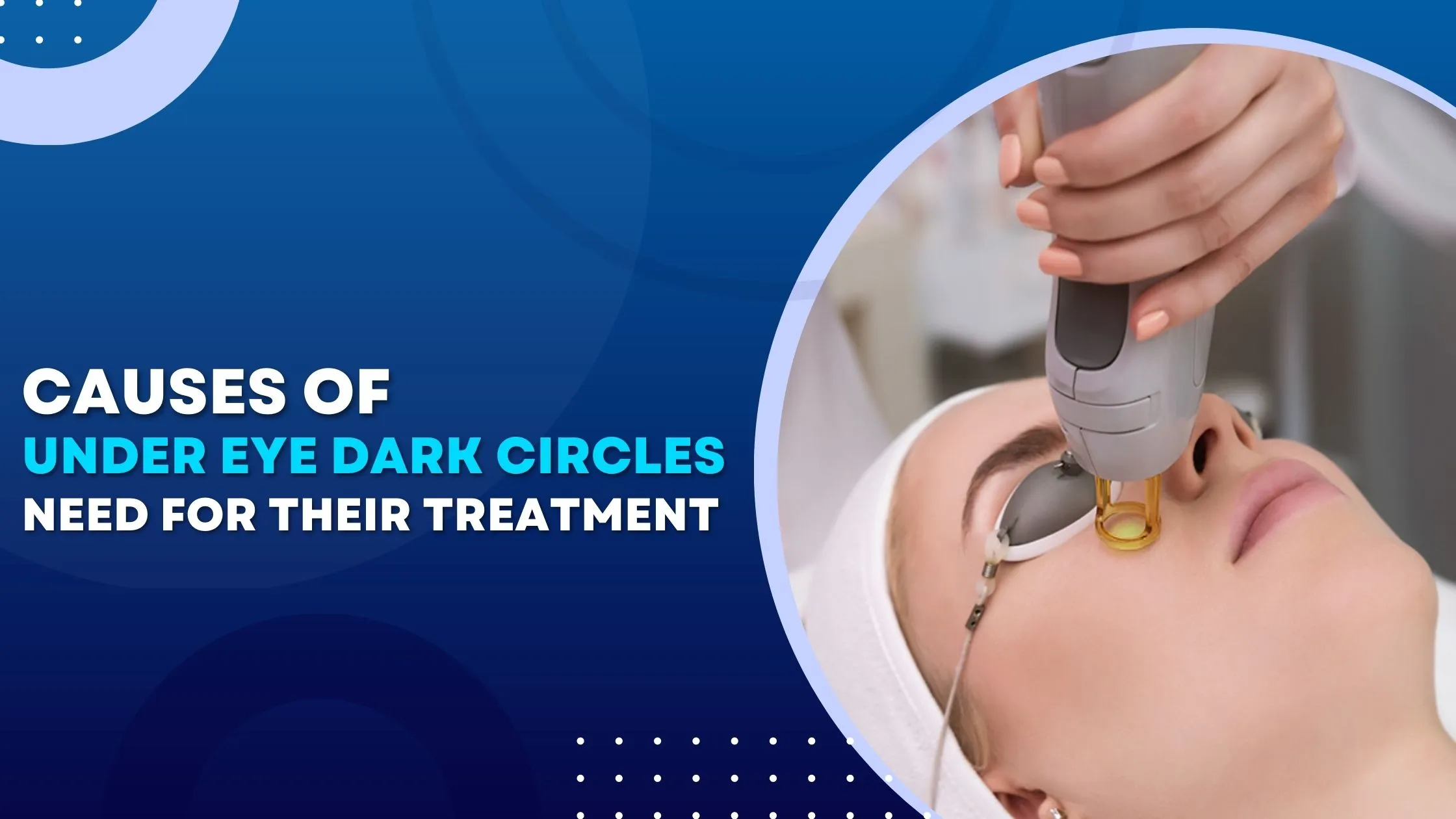
The appearance of dark circles can affect the entire facial expression, making the eyes look tired, dull, or older. Although lack of sleep is commonly blamed, under-eye darkness can have many different causes. Dark circle treatment in Jeddah offers a range of options that can address pigmentation, skin quality, visible blood vessels, fine lines, and structural shadows.
Understanding the individual cause is important because a treatment that works for pigmentation may not provide the same results for under-eye hollowness or naturally thin skin.
The skin around the eyes is thinner than most areas of the face.
Because of this thinness, blood vessels and underlying tissues can be visible through the skin. Depending on skin tone and vascular visibility, this may create blue, purple, or gray discoloration.
Increased melanin can cause brown or darker pigmentation.
Facial hollowness can create shadows beneath the eyes, which may look like dark circles even when the skin itself is not significantly pigmented.
Genetics can play an important role.
Some people naturally have darker pigmentation around their eyes, while others inherit thinner skin or more prominent tear troughs.
Genetic dark circles may remain visible regardless of sleep quality.
Treatment can reduce their appearance in suitable cases, but natural facial characteristics can influence the final outcome.
Aging can gradually change the appearance of the eye area.
Collagen production decreases over time, which can result in thinner and less elastic skin.
Fine lines and wrinkles may become increasingly noticeable.
Changes in facial volume can create hollowness beneath the eyes, resulting in shadows.
Consequently, aging-related dark circles may involve both skin and structural changes.
Lack of sleep can temporarily make dark circles more prominent.
Fatigue may make the complexion appear dull and increase the visibility of blood vessels.
Maintaining regular sleep can support a fresher-looking appearance.
However, persistent dark circles may continue even with adequate sleep when other causes are involved.
Dehydrated skin can appear dull and emphasize fine lines.
Under-eye hollowness may also look more noticeable when the skin lacks moisture.
Adequate hydration and a suitable moisturizer can support smoother-looking skin.
However, these measures generally cannot correct deep structural shadows or significant pigmentation.
Allergies can cause itching and watering around the eyes.
Repeated rubbing may irritate delicate skin and contribute to discoloration.
Avoiding unnecessary rubbing and appropriately managing allergy symptoms can help reduce irritation.
Ultraviolet radiation can stimulate melanin production.
This may worsen existing pigmentation around the eyes.
Sun exposure also contributes to visible skin aging.
Regular sun protection is therefore an important part of under-eye care.
Sunglasses can provide additional protection for the delicate area.
An assessment before dark circle treatment in Jeddah can help determine which factors contribute most strongly to the concern.
The evaluation may include examination of:
Pigmentation
Skin thickness
Blood-vessel visibility
Fine lines
Puffiness
Hollowness
Skin texture
Facial structure
Current skincare products and previous cosmetic treatments may also be reviewed.
A suitable skincare routine can provide an important foundation.
Hydrating products may improve dryness, while selected brightening ingredients can support a more even-looking complexion.
Common ingredients include vitamin C, niacinamide, peptides, and antioxidants.
The delicate eye area generally requires gentle products and careful application.
Vitamin C is an antioxidant commonly used in brightening skincare.
It may help improve uneven-looking pigmentation and support the skin against environmental stress.
A gentle formulation may be preferable for use around the eyes.
Improvement generally occurs gradually rather than immediately.
Niacinamide may help strengthen the skin barrier and improve the appearance of uneven pigmentation.
It is commonly included in sensitive-skin formulations.
Using a limited number of active ingredients may help reduce irritation and make a routine easier to maintain.
Regular moisturizing can improve the appearance of dryness.
Hydrated skin may look smoother and fine lines can temporarily appear less noticeable.
Maintaining the skin barrier can also reduce irritation.
However, skincare cannot restore significant volume loss beneath the eyes.
Selected professional chemical peels may help improve superficial pigmentation.
They work by promoting controlled exfoliation and renewal of the outer skin layers.
Because the eye area is sensitive, treatment must be selected carefully.
Using an excessively strong peel can cause irritation and may contribute to pigmentation problems.
Some laser and light-based treatments can address selected pigmentation and skin-quality concerns.
Certain technologies target pigment, while others encourage collagen production.
The appropriate choice depends on skin type, pigmentation characteristics, and desired results.
A treatment course may involve multiple sessions.
Under-eye hollowness can create shadows that resemble dark circles.
If hollowness is the primary issue, creams or pigment treatments may provide limited improvement.
For selected individuals, dermal filler may be considered to improve the contour between the lower eyelid and cheek.
The objective is usually subtle improvement rather than dramatic volume.
Because of the sensitive anatomy of the eye area, careful assessment is important before injectable treatment.
Some individuals prefer non-invasive approaches.
Treatments may focus on hydration, pigmentation, skin texture, or collagen support.
These procedures can gradually improve skin quality but may have limited effects when significant hollowness is present.
Dark circles can have multiple causes at once.
For example, someone may have pigmentation combined with thin skin and mild hollowness.
A combination approach can address each contributing factor.
Treatment should be individualized and should avoid unnecessary procedures.
Before beginning treatment, individuals should discuss their medications, allergies, skincare routine, previous procedures, and skin sensitivities.
They should also communicate their desired outcome.
Understanding the expected improvement, potential risks, limitations, and recovery requirements is important.
Aftercare varies according to the treatment.
Temporary redness, swelling, dryness, or sensitivity may occur following certain procedures.
Gentle skincare and sun protection can help support recovery.
Avoiding unnecessary rubbing and pressure around the eyes is recommended.
Long-term care can help preserve treatment results.
Daily sun protection helps reduce additional pigmentation.
Adequate hydration and gentle skincare support the skin barrier.
Regular sleep and healthy lifestyle habits may also contribute to a fresher appearance.
Some professional treatments may require maintenance sessions.
Dark circles can be strongly influenced by genetics and natural facial anatomy.
Complete elimination is therefore not always realistic.
The goal is generally to reduce the visibility of darkness and improve the overall brightness, texture, and smoothness of the under-eye region.
Dark circles can be associated with pigmentation, genetics, aging, dehydration, fatigue, allergies, sun exposure, visible blood vessels, and under-eye hollowness. Dark circle treatment in Jeddah provides different options that can be tailored to these individual concerns.
Depending on the cause, treatment may include targeted skincare, brightening ingredients, professional chemical peels, laser or light-based procedures, skin-rejuvenation treatments, and carefully selected injectable options.
A personalized evaluation can help identify the most suitable strategy. With appropriate professional care, consistent skincare, sun protection, hydration, healthy sleep habits, and realistic expectations, the under-eye area can gradually achieve a brighter, smoother, and more refreshed appearance.