English
 Arabic
 French
 Spanish
 Portuguese
 Deutsch
 Turkish
 Dutch
Dutch
 Italiano
 Russian
 Romaian
 Portuguese (Brazil)
 Greek
Greek
P-Shot for Aging Men: Addressing Common Concerns
Health |
2026-07-02 10:46:41
 Advertise With Us
 About Us
 Terms And Conditions
 سياسة الخصوصية
عرض كل النتائج
سياسة الخصوصية
عرض كل النتائج

ترقية الحساب
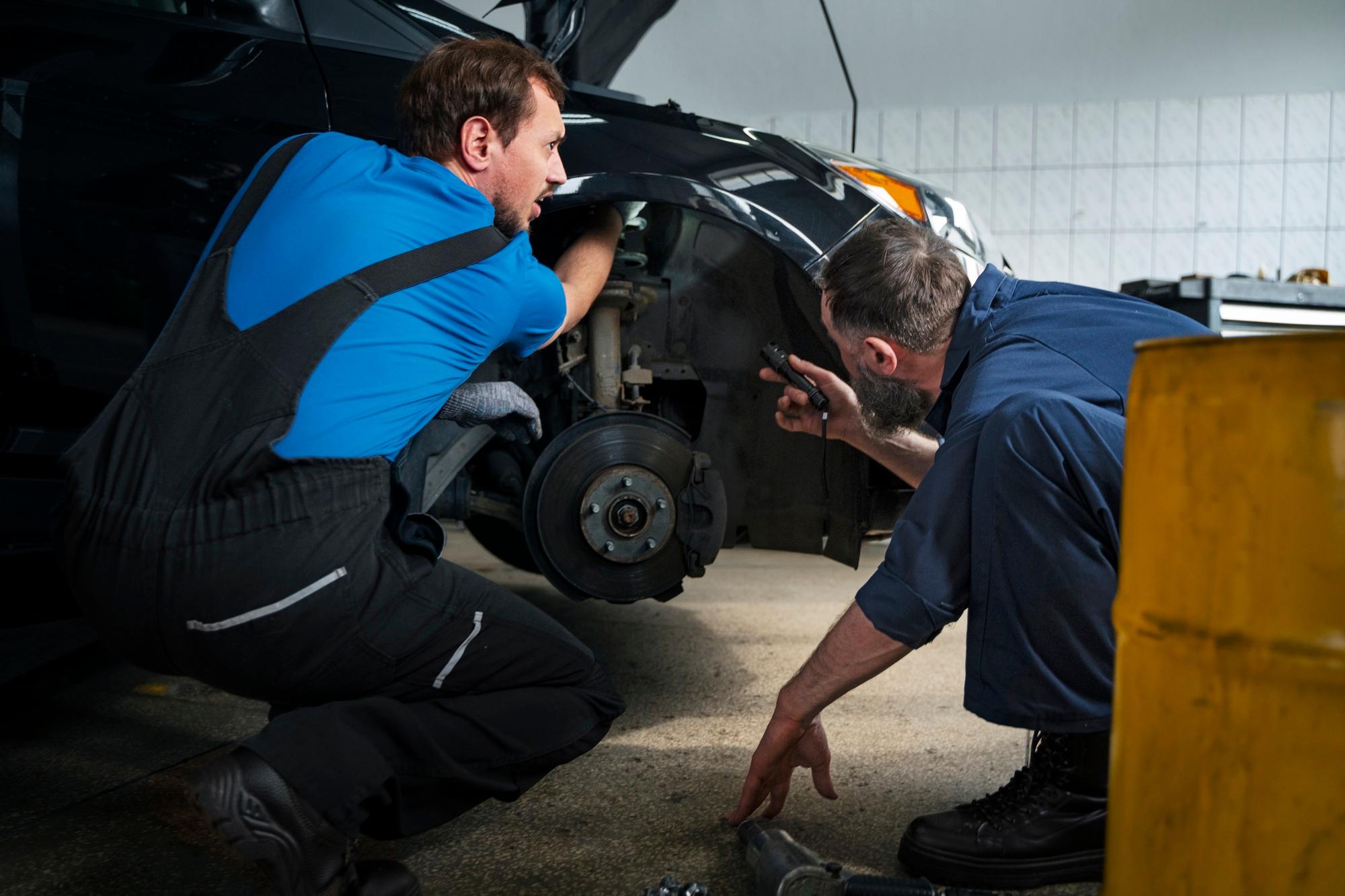
Your brake pedal should feel firm and responsive every time you press it. If it suddenly feels soft, spongy, or sinks farther than usual, it's a sign that your braking system isn't working as it should. A soft or spongy brake pedal can reduce your vehicle's stopping power and make driving unsafe. If you notice this problem, scheduling a brake inspection promptly is the best way to identify the cause and prevent more serious brake issues.
A soft brake pedal usually means there is a problem with the hydraulic braking system. Modern vehicles rely on brake fluid to transfer the force from your foot to the brakes at each wheel. If something interrupts that pressure, the brake pedal may feel soft or require more effort to stop the vehicle.
Although the issue may start gradually, it should never be ignored because braking performance can worsen over time.
One of the most common causes is trapped air in the brake lines. Unlike brake fluid, air compresses when pressure is applied, making the brake pedal feel soft instead of firm.
Bleeding the brake system removes trapped air and restores proper brake pressure.
Brake fluid is essential for transferring braking force. If the fluid level drops because of a leak or normal wear, the brake pedal may become spongy.
Checking the brake fluid reservoir is a simple first step, but low fluid should always be investigated to determine why it's happening.
Leaks can develop in brake hoses, brake lines, calipers, or wheel cylinders. Even a small leak can reduce hydraulic pressure and affect braking performance.
Signs of a brake fluid leak may include:
A soft brake pedal
Brake warning light
Fluid beneath the vehicle
Reduced braking ability
Excessively worn brake pads or damaged brake rotors can sometimes contribute to changes in brake pedal feel. While they aren't always the direct cause, they can affect overall braking performance.
Routine inspections help identify worn parts before they become a larger problem.
The master cylinder creates hydraulic pressure for the entire braking system. If it begins to fail, it may not maintain proper pressure, causing the brake pedal to sink or feel unusually soft.
A failing master cylinder should be repaired immediately because it directly affects braking safety.
No. A soft brake pedal usually indicates that your braking system isn't operating correctly. Because your stopping distance may increase, continuing to drive can put you and others at risk.
If the brake pedal suddenly feels much softer than normal or sinks to the floor, avoid driving the vehicle until it has been inspected.
The correct repair depends on the underlying cause. A technician may recommend:
Bleeding the brake lines
Repairing a brake fluid leak
Replacing worn brake pads or rotors
Performing a brake fluid flush
Replacing a faulty master cylinder
A complete brake inspection ensures that every part of the braking system is working properly before you return to the road.
Regular maintenance is the best way to keep your braking system reliable.
Here are a few simple tips:
Check brake fluid during routine maintenance.
Schedule regular brake inspections.
Replace brake fluid according to your vehicle manufacturer's recommendations.
Pay attention to warning lights or unusual brake pedal feel.
Address brake noises or leaks immediately.
Preventive maintenance often catches small problems before they become major repairs.
A soft or spongy brake pedal is not something to ignore. Whether it's caused by air in the brake lines, low brake fluid, a leak, worn components, or a faulty master cylinder, the issue can affect your ability to stop safely. Having your braking system inspected as soon as you notice the problem helps protect your safety, reduces repair costs, and keeps your vehicle performing at its best.
Short Summary
A soft or spongy brake pedal is often a warning sign that something is wrong with your braking system. This guide explains the most common causes, potential risks, and easy solutions while highlighting why scheduling a brake inspection as soon as possible can help keep you safe on the road.
The most common causes include air in the brake lines, low brake fluid, brake fluid leaks, a failing master cylinder, or worn brake components.
Yes. Low brake fluid reduces hydraulic pressure, which can cause the brake pedal to feel soft or spongy.
No. A spongy brake pedal can reduce braking performance and increase stopping distance. The vehicle should be inspected as soon as possible.
Depending on the cause, repairs may include bleeding the brake lines, repairing leaks, replacing brake components, performing a brake fluid flush, or replacing the master cylinder.
It's a good idea to have your brakes inspected at least once a year or whenever you notice changes in pedal feel, unusual noises, warning lights, or reduced braking performance.