English
 Arabic
 French
 Spanish
 Portuguese
 Deutsch
 Turkish
 Dutch
Dutch
 Italiano
 Russian
 Romaian
 Portuguese (Brazil)
 Greek
Greek
Boot Market Benefits From Premium Craftsmanship Trends
Other |
2026-08-14 13:12:56
 Advertise With Us
 About Us
 Terms And Conditions
 Privacy Policy
See All
Privacy Policy
See All

Upgrade to Pro
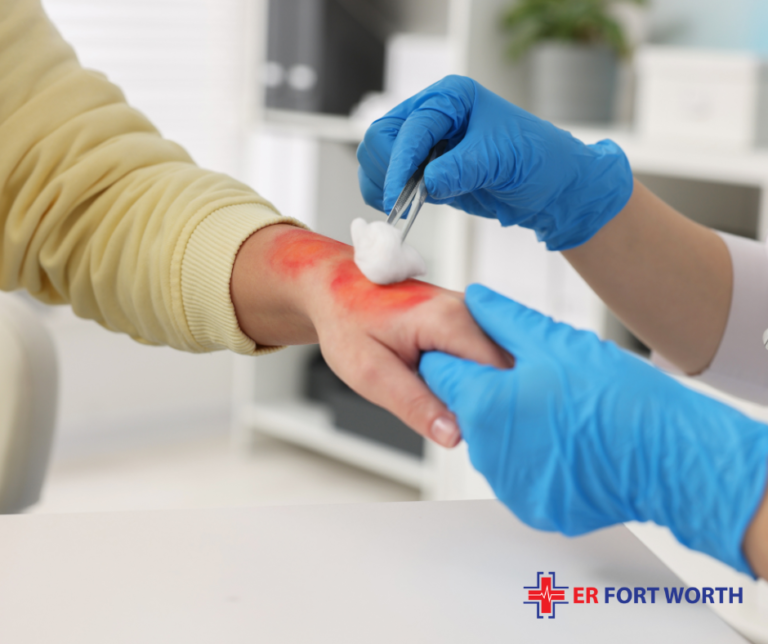
Burn injuries are among the most common medical emergencies and can affect people of all ages. Whether caused by fire, hot liquids, chemicals, electricity, or the sun, getting the right care quickly is important. Understanding burn treatment helps reduce pain, prevent infection, and support faster healing. At ER of Forthworth, experienced emergency professionals evaluate burn injuries, provide immediate medical care, and help patients begin recovery with confidence.
A burn is damage to the skin or deeper tissues caused by heat, chemicals, electricity, radiation, or friction. Some burns are minor and heal at home, while others require emergency medical attention.
The severity of a burn depends on:
Early evaluation helps determine the best course of treatment.
Burn injuries happen in many different situations.
Some of the most common causes include:
Understanding these risks can help prevent serious injuries.
Medical professionals classify burns based on how deeply the skin is damaged.
These burns affect only the outer layer of skin.
Common symptoms include:
These burns usually heal within several days without permanent scarring.
Second-degree burns damage both the outer and underlying skin layers.
Symptoms include:
Some second-degree burns may require medical treatment to reduce infection risk.
These burns destroy multiple skin layers and sometimes affect muscles or nerves.
Signs include:
Third-degree burns always require emergency medical care.
Not every burn requires an emergency visit, but some injuries should never be ignored.
Seek emergency care if:
Prompt evaluation reduces the chance of long-term complications.
Quick action immediately after a burn can improve healing.
Follow these steps:
Avoid:
Improper home remedies may worsen tissue damage.
Emergency physicians carefully assess every burn before beginning treatment.
The evaluation includes:
Accurate assessment helps guide the right treatment plan.
Treatment depends on the severity of the injury.
Emergency care may include:
Burn injuries can be extremely painful.
Doctors may provide:
The wound is gently cleaned to remove debris and reduce infection risk.
This step supports healthier healing.
Special medical dressings help:
Dressings are changed regularly as healing progresses.
Large burns may cause significant fluid loss.
Intravenous fluids help:
Burned skin cannot protect the body effectively.
Doctors monitor for infection and provide treatment when necessary.
Serious burns may require:
Early treatment offers several important benefits.
These include:
Delaying treatment can increase complications.
Healing continues after leaving the emergency department.
Helpful recovery habits include:
Consistent care supports better outcomes.
Many burns can be prevented through simple safety habits.
Helpful prevention tips include:
Small precautions can prevent serious emergencies.
When burn injuries require immediate attention, ER of Forthworth provides fast emergency evaluation and compassionate care.
Patients benefit from:
The goal is to stabilize injuries quickly and support the best possible recovery.
Burn injuries can range from minor accidents to life-threatening emergencies. Knowing the severity of a burn, providing proper first aid, and seeking timely medical attention can make a significant difference in healing and recovery. Serious burns should never be ignored because early treatment helps reduce complications, control pain, and protect damaged skin. If you or a loved one experiences a severe burn, ER of Forthworth is prepared to provide rapid emergency evaluation and quality care when every minute matters.
For more information visit:https://eroffortworthtx.com/services/burns-treatment/