English
 Arabic
 French
 Spanish
 Portuguese
 Deutsch
 Turkish
 Dutch
Dutch
 Italiano
 Russian
 Romaian
 Portuguese (Brazil)
 Greek
Greek
What Are the Most Common Summer Cooling Problems Homeowners Face?
Other |
2026-07-10 14:17:39
 Advertise With Us
 About Us
 Terms And Conditions
 سياسة الخصوصية
عرض كل النتائج
سياسة الخصوصية
عرض كل النتائج

ترقية الحساب
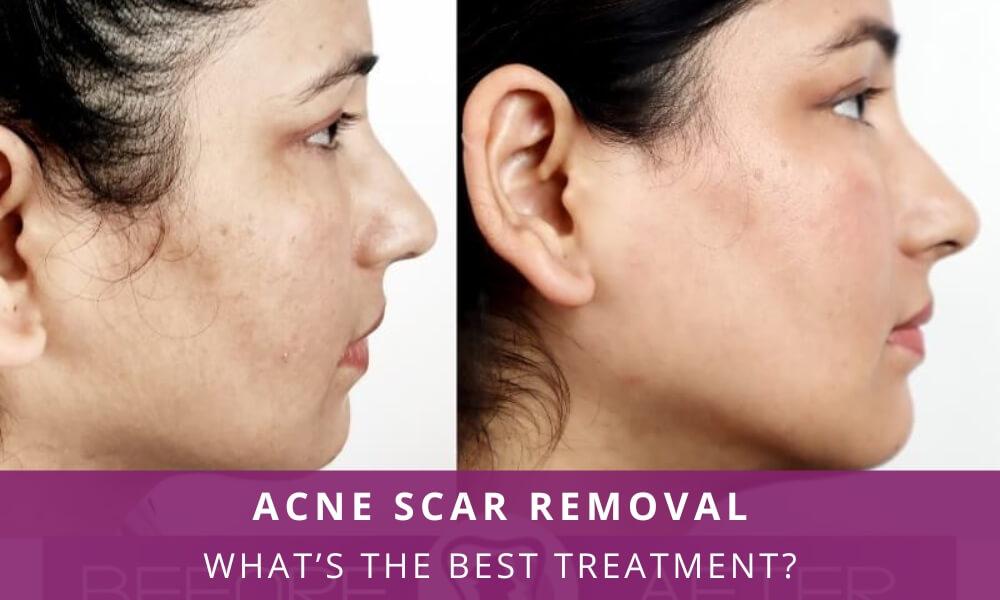
Acne scars can be a persistent reminder of past breakouts, affecting not just your skin's texture but also your self-confidence. For residents and visitors looking to restore smooth, clear skin, Acne Scar Removal in Jeddah offers advanced dermatological solutions tailored to various skin types and scar severities. Modern aesthetic clinics in the region utilize state-of-the-art technology, ranging from laser resurfacing and microneedling to chemical peels and dermal fillers, helping individuals achieve long-lasting, visible improvements. Understanding the causes of scarring, available treatment modalities, and proper aftercare is essential for anyone embarking on their skin-resurfacing journey.
Atrophic scars are the most common type of textural irregularity resulting from inflammatory acne lesions. They occur when the skin undergoes a net loss of collagen and subcutaneous tissue during the natural wound-healing process.
These are narrow, deep, and sharply marginated pits that extend vertically into the dermis. Because they resemble small puncture wounds, they often do not respond well to broad-surface treatments and require specialized focal interventions like chemical reconstruction.
Boxcar scars feature steep, vertical sidewalls with a broad, flat base, whereas rolling scars present as shallow, wavy depressions created by fibrous bands pulling the skin downward toward the subcutaneous layer. Both types respond favorably to treatments that stimulate collagen production or release underlying tethered tissue.
In contrast to atrophic depressions, raised scars occur when the body produces an excess of collagen while attempting to heal severe inflammatory skin damage.
Hypertrophic Scars: These firm, raised lesions remain strictly within the boundaries of the original acne wound. Over time, they may flatten slightly on their own, though professional interventions like corticosteroid injections or laser therapy can accelerate the flattening process.
Keloid Scars: Keloids represent a more aggressive healing response where fibrous tissue continues to grow well beyond the original margins of the breakout. These require specialized medical management, as standard surgical removal without adjunctive therapy can lead to recurrence.
Because different scar morphologies require distinct physiological responses, a successful treatment protocol relies on precise architectural diagnosis.
Targeting Depressions: Fractional lasers, microneedling, and dermal fillers work synergistically to elevate atrophic valleys and stimulate new extracellular matrix proteins.
Managing Elevated Tissue: Raised scars require modalities focused on breaking down excessive collagen fibers rather than building new ones, highlighting the importance of a customized dermatological assessment prior to starting any procedure.