English
 Arabic
 French
 Spanish
 Portuguese
 Deutsch
 Turkish
 Dutch
Dutch
 Italiano
 Russian
 Romaian
 Portuguese (Brazil)
 Greek
Greek
Aluminum Foam Market Scope and Strategic Outlook Through 2034
Networking |
2026-08-24 15:19:21
 Advertise With Us
 About Us
 Terms And Conditions
 Политика конфиденциальности
Смотреть все
Политика конфиденциальности
Смотреть все

Обновить до Про
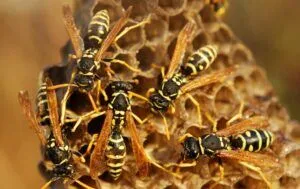
A wasp sting can happen unexpectedly while gardening, enjoying a barbecue, or simply walking around your property. For most people, a sting causes immediate pain and temporary swelling. However, in some situations, a wasp sting can trigger a severe allergic reaction that requires urgent medical attention. Knowing what a normal reaction looks like—and recognising the warning signs of a serious one—can help you respond quickly and appropriately.
While treating a sting is important, preventing future stings is even more essential. If you notice increased wasp activity or discover a nest near your home, professional wasp control Melbourne services can safely remove the source of the problem before someone else gets injured.
Unlike bees, wasps are naturally defensive and may sting when they believe their nest is threatened. They can also sting if they feel trapped or disturbed.
Common situations that may lead to a sting include:
Because wasps can sting multiple times, disturbing a nest can result in several stings within seconds.
A wasp sting is usually felt immediately and is often described as a sharp, burning pain.
Typical symptoms include:
For most healthy individuals, these symptoms gradually improve over several hours or days.
A mild reaction is the most common outcome following a single wasp sting.
You may experience:
These symptoms usually settle with basic first aid and do not require emergency medical treatment.
Some people develop a larger local reaction even if they are not allergic.
This may include:
Although uncomfortable, these reactions are usually not life-threatening. However, if symptoms continue to worsen, it is advisable to seek medical advice.
In rare cases, a wasp sting can trigger a serious allergic reaction known as anaphylaxis.
Warning signs include:
These symptoms require immediate emergency medical attention.
If you are stung by a wasp, staying calm can help prevent further stings.
Basic first aid includes:
If you were stung near an active nest, leave the area promptly, as other wasps may continue to defend the colony.
The best way to avoid future wasp stings is to reduce exposure to active nests and areas with heavy wasp activity.
If you notice frequent wasps around your home, avoid attempting DIY removal. Professional wasp control Melbourne specialists can safely inspect your property, locate hidden nests, and eliminate the infestation before it becomes a greater safety risk.
Although it isn't always possible to avoid wasps, a few simple precautions can greatly reduce your chances of being stung.
Helpful prevention tips include:
Taking these preventative measures can help protect your family, visitors, and pets throughout the warmer months.
If wasps are regularly appearing around your property, there may be an active nest nearby. Attempting to remove the nest yourself can provoke the colony and increase the likelihood of multiple stings.
Professional wasp control Melbourne services offer:
Early intervention is the safest way to eliminate the source of the problem before someone is injured.
Wasp activity is common across Melbourne, particularly during spring and summer when colonies are expanding. Homeowners needing reliable wasps removal Tullamarine services can rely on experienced technicians who understand local nesting behaviours and provide prompt, safe, and effective treatments.
Likewise, residents searching for professional wasp control North Melbourne services benefit from thorough inspections and tailored solutions for residential and commercial properties. Property owners looking for dependable wasps removal Glen Waverley services receive customised treatments designed to eliminate active nests while minimising the risk of future infestations. Families and businesses requiring trusted wasp control East Melbourne services can expect expert advice, safe removal methods, and preventative recommendations to keep their properties protected.
Arrange a professional inspection if:
Prompt professional treatment helps minimise safety risks and prevents the colony from becoming more established.
A wasp sting is usually painful but temporary, causing symptoms such as burning pain, redness, and swelling that improve within a few days. However, severe allergic reactions require immediate medical attention and should never be ignored. Understanding the difference between a normal reaction and an emergency can help you respond appropriately and protect yourself and your family.
If you notice increased wasp activity or suspect there is a nest on your property, avoid disturbing it. Professional wasp control Melbourne services provide safe inspections, effective nest removal, and practical prevention advice to reduce the risk of future stings and keep your property safe all year round.