English
 Arabic
 French
 Spanish
 Portuguese
 Deutsch
 Turkish
 Dutch
Dutch
 Italiano
 Russian
 Romaian
 Portuguese (Brazil)
 Greek
Greek
RCM Services Texas and Florida: Optimizing Healthcare Revenue
Other |
2026-06-10 13:28:43
 Advertise With Us
 About Us
 Terms And Conditions
 Privacy Policy
See All
Privacy Policy
See All

Upgrade to Pro
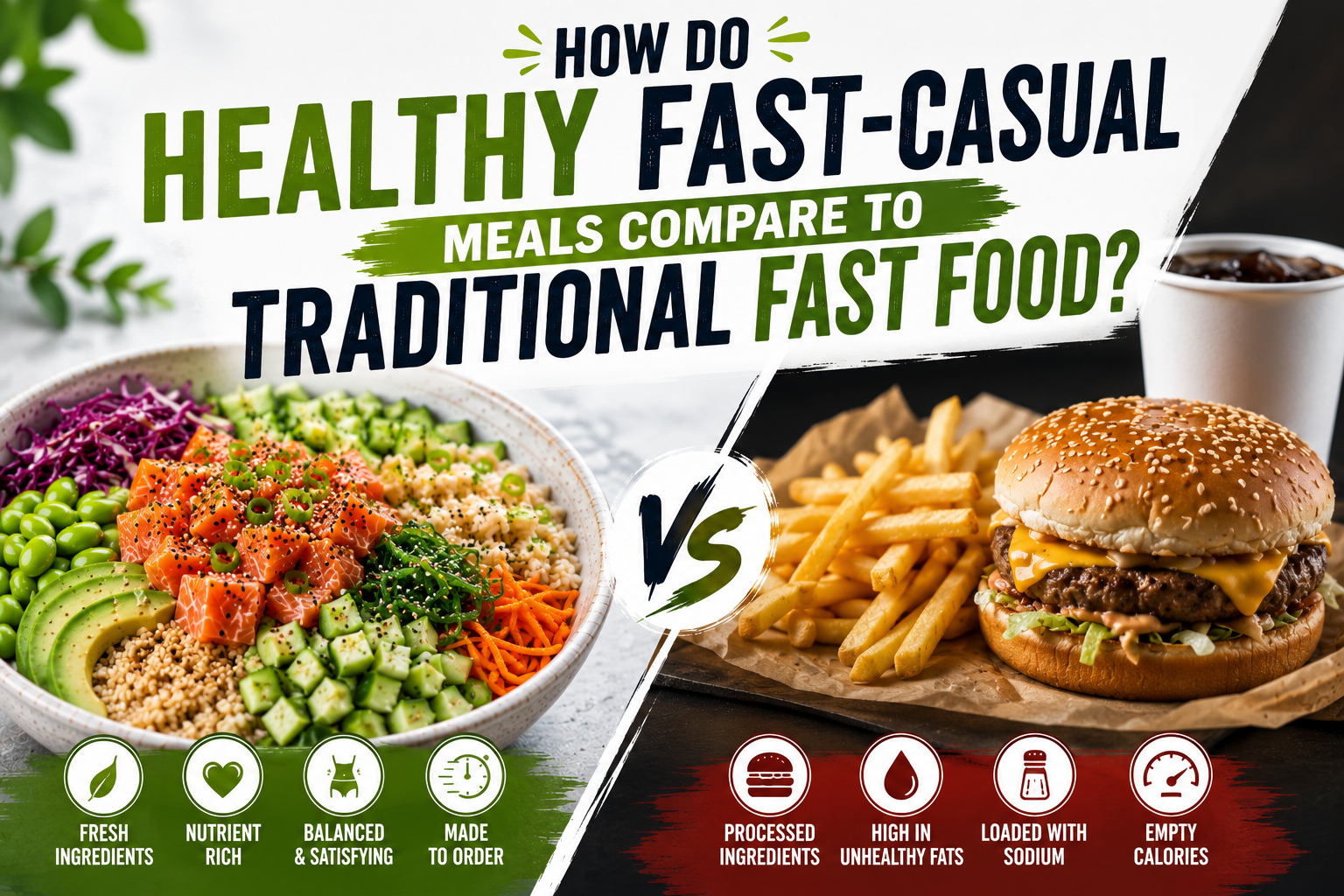
Many people today are looking for meals that are quick, tasty, and better for their health. This shift has helped the poke restaurant concept become one of the fastest-growing choices in the fast-casual dining industry. Unlike traditional fast food, these restaurants focus on fresh ingredients, balanced nutrition, and meals that customers can customise. While both options are designed for convenience, they offer very different experiences when it comes to quality, nutrition, and long-term health.
The biggest difference between healthy fast-casual meals and traditional fast food is the quality of ingredients. Traditional fast food often includes heavily processed meats, refined carbohydrates, fried foods, and sauces that are high in sugar, salt, and unhealthy fats. Healthy fast-casual meals usually include fresh vegetables, lean proteins, whole grains, and natural toppings that provide more nutrients while still delivering satisfying flavours. This allows people to enjoy a quick meal without sacrificing nutrition.
Another important advantage is meal flexibility. At a poke restaurant, customers can build a meal that suits their personal preferences and dietary needs. Whether someone prefers extra vegetables, brown rice, seafood, tofu, or lighter sauces, they can create a balanced meal that matches their health goals. This level of customisation is rarely available with traditional fast food, where menu items are generally fixed and often contain hidden calories.
Fresh Ingredients Make a Noticeable Difference
Fresh ingredients affect both taste and nutrition. Vegetables that are prepared daily retain more vitamins and minerals than heavily processed alternatives. Fresh fish, lean chicken, tofu, and colourful vegetables provide protein, fibre, healthy fats, and essential nutrients that support overall wellbeing.
Traditional fast food often relies on frozen ingredients, preservatives, and deep-frying methods to improve shelf life and consistency. Although these foods may taste appealing, frequent consumption can contribute to excessive calorie intake without providing enough nutritional value.
Choosing meals made from fresh ingredients also allows people to feel fuller for longer. Foods rich in fibre and protein digest more slowly, helping maintain steady energy levels throughout the day.
Better Portion Control Supports Healthier Eating
Portion size plays a major role in maintaining a balanced diet. Traditional fast-food meals often encourage customers to purchase larger portions through value deals and meal upgrades. This can easily lead to consuming more calories than needed.
Healthy fast-casual restaurants usually allow customers to choose their own portion sizes. They can decide how much rice, vegetables, protein, and toppings they want, making it easier to create meals that fit their nutritional requirements rather than oversized standard portions.
This flexibility also helps reduce food waste because customers select only the ingredients they actually want.
More Balanced Nutrition in Every Meal
A balanced meal includes protein, healthy fats, complex carbohydrates, vitamins, and minerals. Healthy fast-casual dining focuses on combining these nutrients into one meal.
Lean proteins such as salmon, tuna, chicken, shrimp, or tofu help support muscle maintenance and keep people satisfied. Whole grains and fresh vegetables provide fibre, while healthy fats from avocado, nuts, and seeds contribute to heart health.
Traditional fast food often contains higher levels of saturated fat, sodium, and refined carbohydrates while offering fewer vegetables and whole-food ingredients. Although occasional fast-food meals can fit into a balanced diet, relying on them regularly may not provide the variety of nutrients the body needs.
Customisation Helps Meet Different Dietary Needs
Every person has different dietary preferences and nutritional goals. Some people need gluten-free meals, while others may follow vegetarian, vegan, or high-protein diets.
One reason many customers choose a poke restaurant is the ability to customise nearly every ingredient. They can replace white rice with greens, choose plant-based proteins, reduce sauces, or increase vegetables depending on their lifestyle.
Traditional fast-food menus often offer fewer customisation options, making it more difficult for people with specific dietary requirements to find suitable meals.
Energy Levels Throughout the Day
The type of food people eat affects how they feel after a meal. Meals that are high in refined carbohydrates, sugar, and unhealthy fats may cause energy spikes followed by tiredness.
Meals prepared with lean proteins, vegetables, and whole grains release energy more gradually. This can help people remain productive at work, school, or during physical activities.
Many people also notice they feel lighter and less sluggish after eating fresh meals compared with heavily fried foods.
Supporting Long-Term Healthy Habits
Healthy eating is not about avoiding every treat. Instead, it focuses on making better choices consistently over time.
Fast-casual restaurants that prioritise fresh ingredients make it easier for busy individuals and families to include nutritious meals in their regular routine. Having healthier options available encourages better eating habits without requiring hours of meal preparation at home.
Choosing fresh meals more often can contribute to improved overall wellness while still providing the speed and convenience people expect from modern dining.
Convenience Without Compromising Quality
One reason traditional fast food became popular is convenience. However, healthy fast-casual dining now offers similar speed while placing greater emphasis on ingredient quality and freshness.
Customers no longer have to choose between eating quickly and eating well. Modern preparation methods allow fresh meals to be assembled efficiently while maintaining high standards for food quality and flavour.
As consumer demand continues to grow, many restaurants are investing in fresher ingredients, sustainable sourcing, and transparent menu information.
Conclusion
Healthy fast-casual meals and traditional fast food both provide convenience, but they differ significantly in nutritional value, ingredient quality, and customisation. Fresh vegetables, lean proteins, balanced portions, and flexible meal options make healthier dining a practical choice for many people. Visiting a poke restaurant allows customers to enjoy a meal that supports both convenience and better nutrition without giving up great taste. For those looking to develop healthier eating habits while maintaining a busy lifestyle, fast-casual dining offers a smart and sustainable alternative to traditional fast food.
Fresh ingredients do much more than improve the nutritional value of a meal. They also have a direct impact on taste, texture, appearance, and the overall dining experience. Many customers choose healthy fast-casual meals because they can easily see the difference between freshly prepared ingredients and highly processed foods. Bright vegetables, high-quality proteins, and freshly prepared toppings create meals that look more appealing and often taste more natural.
Fresh produce usually retains its crisp texture and natural flavour when prepared properly. Vegetables such as cucumber, carrots, cabbage, and leafy greens add colour and crunch that processed ingredients cannot match. Fresh proteins like salmon, tuna, chicken, or tofu also maintain better texture when handled carefully. These qualities help create meals that are enjoyable from the first bite to the last.
Another important benefit is transparency. Many fast-casual restaurants prepare meals in front of customers, allowing them to watch each ingredient being added. This open preparation process helps build confidence because customers know exactly what they are eating. They can also ask questions about ingredients, allergens, or portion sizes before placing an order.
Fresh ingredients also provide greater flexibility for seasonal menus. Restaurants can introduce new vegetables, fruits, sauces, and toppings throughout the year, giving returning customers something different to enjoy. Seasonal variety keeps menus interesting while encouraging people to explore healthier food options they may not have tried before.
Food quality also affects customer trust. When meals consistently taste fresh and ingredients remain high in quality, customers are more likely to return. Consistency creates positive experiences that encourage repeat visits and recommendations to family and friends. Word-of-mouth remains one of the strongest ways for restaurants to build a loyal customer base.
Many consumers today also pay attention to where their food comes from. Restaurants that use responsibly sourced seafood, fresh vegetables, and quality ingredients often appeal to people who value sustainability and ethical food practices. Although convenience remains important, customers increasingly want meals that align with their personal values.
Fresh preparation can also reduce the need for excessive flavour enhancers. Natural herbs, vegetables, quality proteins, and carefully prepared sauces often provide enough flavour without relying heavily on artificial additives. This creates meals that feel lighter while still being satisfying.
As healthy eating becomes a larger priority for many households, restaurants that maintain high standards for freshness are likely to continue attracting customers. Fresh ingredients support better taste, improved nutrition, greater transparency, and stronger customer satisfaction, making them an important part of the modern fast-casual dining experience.
Busy lifestyles have changed the way many people think about food. Long working hours, family responsibilities, commuting, and social commitments leave less time for preparing meals at home. As a result, consumers increasingly look for dining options that offer both convenience and good nutrition without requiring long waiting times.
Traditional fast food became popular because it provided quick service at affordable prices. However, many customers now expect more than speed alone. They want meals that include fresh vegetables, quality proteins, whole grains, and balanced portions while still fitting into their busy schedules.
Healthy fast-casual dining has responded to these changing expectations by combining efficient service with fresh meal preparation. Customers can enjoy meals that are prepared quickly while still having the opportunity to personalise their selections according to their dietary preferences and nutritional goals.
Convenience also extends beyond restaurant visits. Many fast-casual businesses now offer online ordering, mobile applications, delivery services, and pickup options that simplify the entire dining process. These services make it easier for customers to access healthier meals without interrupting their daily routines.
Workplaces have also influenced changing dining habits. Employees often have limited lunch breaks and need meals that provide sustained energy throughout the afternoon. Fresh meals containing protein, vegetables, and complex carbohydrates help many people avoid the heavy feeling that sometimes follows highly processed fast food.
Families are also becoming more aware of the importance of balanced nutrition. Parents often look for restaurants where every family member can choose ingredients that match their personal preferences. Flexible menus allow children, teenagers, and adults to build meals they enjoy while still including nutritious ingredients.
Health awareness continues to grow as more people learn about the relationship between diet and long-term wellbeing. Consumers increasingly read nutrition information, compare ingredient lists, and seek restaurants that provide greater transparency. Businesses that meet these expectations often develop stronger customer loyalty over time.
The popularity of healthier dining is also supported by changing food trends shared through social media, cooking programmes, and online nutrition resources. Attractive meals made with colourful vegetables and fresh ingredients encourage people to explore healthier eating habits without feeling restricted.
As demand continues to evolve, restaurants that successfully combine convenience, quality, freshness, and flexibility are well positioned to meet the needs of modern consumers. This balance allows people to enjoy quick meals that support both busy lifestyles and healthier everyday choices.
Healthy eating is rarely about following strict diets or eliminating favourite foods completely. Instead, long-term wellness is often achieved by making consistent, balanced food choices that provide the body with the nutrients it needs to function effectively every day.
Balanced meals usually include lean protein, healthy fats, complex carbohydrates, fibre, vitamins, and minerals. Each of these nutrients performs an important role in supporting energy production, muscle maintenance, immune function, and overall health. When meals contain a variety of whole foods, they help create a more complete nutritional profile.
Protein supports muscle repair and helps maintain feelings of fullness after eating. Fresh vegetables contribute fibre, antioxidants, vitamins, and minerals that support digestion and immune health. Whole grains provide steady energy, while healthy fats from foods such as avocado, seeds, and nuts support heart and brain function.
One advantage of balanced meals is their ability to promote more stable energy levels throughout the day. Meals containing a combination of protein, fibre, and complex carbohydrates are generally digested more gradually than highly processed foods. This steady digestion may help reduce sudden hunger and improve concentration during work or study.
Balanced eating also encourages greater variety. Including different vegetables, proteins, grains, fruits, and healthy fats helps ensure the body receives a wider range of nutrients. Variety also keeps meals enjoyable, making healthy eating easier to maintain over the long term.
Another benefit is improved portion awareness. When meals contain satisfying amounts of protein and fibre, people often feel comfortably full without needing excessively large portions. This supports healthier eating habits without requiring extreme restrictions.
Long-term wellness also depends on consistency rather than perfection. Enjoying nutritious meals regularly while allowing room for occasional treats creates a realistic approach that many people can maintain. Sustainable habits generally produce better long-term outcomes than temporary diets that are difficult to follow.
Good nutrition also works alongside other healthy lifestyle habits such as regular physical activity, adequate sleep, proper hydration, and stress management. Together, these factors contribute to overall wellbeing and improved quality of life.
Choosing balanced meals regularly allows people to support their health while still enjoying convenient and satisfying dining experiences. Small, consistent improvements in everyday food choices often have a greater positive impact than occasional attempts at dramatic dietary changes, making balanced nutrition a practical approach for long-term wellness.