English
 Arabic
 French
 Spanish
 Portuguese
 Deutsch
 Turkish
 Dutch
Dutch
 Italiano
 Russian
 Romaian
 Portuguese (Brazil)
 Greek
Greek
Recommended Title The Iron Hex (Iron Hex Trilogy, #1) by Victoria S. Walsh
Travel |
2026-06-26 03:38:45
 Advertise With Us
 About Us
 Terms And Conditions
 Privacy Policy
See All
Privacy Policy
See All

Upgrade to Pro
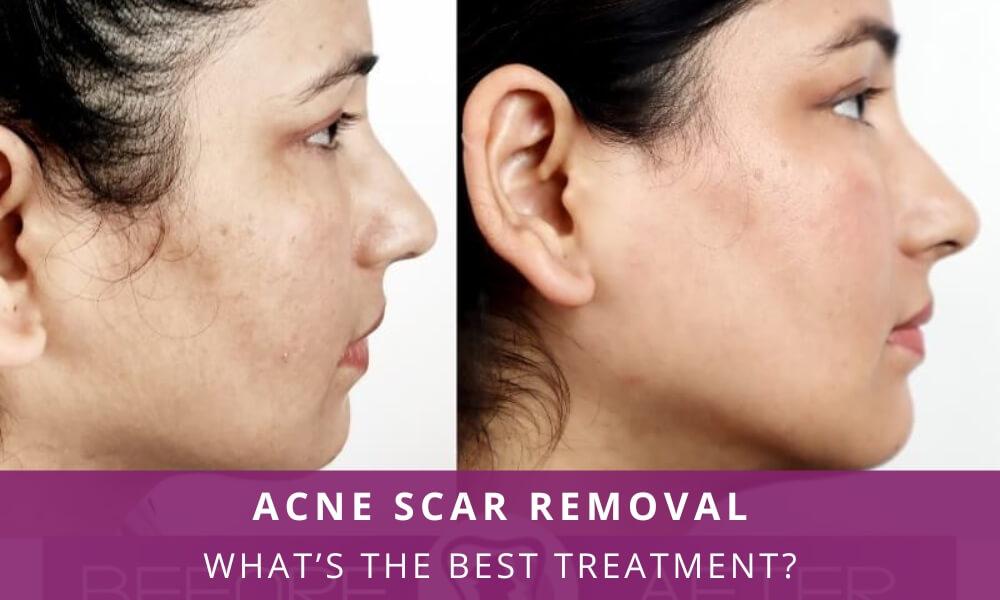
Achieving smooth, clear skin is a universal aspiration, yet many individuals find their confidence undermined by the stubborn textural marks left behind by past breakouts. For those living in or visiting the dynamic coastal hub of the Kingdom, finding effective dermatological solutions is a top priority. Acne Scar Removal in Jeddah provides a comprehensive, medically backed pathway to diminish deep pits, smooth out irregular surfaces, and restore natural skin integrity. Modern aesthetic clinics across the city utilize sophisticated treatment protocols tailored to diverse skin types and scar morphologies. Understanding the underlying science of skin trauma and the various clinical options available empowers individuals to make informed decisions for their long-term aesthetic health.
To fully appreciate why clinical interventions are necessary, it is important to examine how acne alters the skin's architecture. When an inflammatory blemish—such as a deep cyst or nodule—becomes severely engorged, the surrounding pore wall can rupture. This spills bacteria, oil, and cellular debris into the dermis, prompting a significant inflammatory reaction. The body attempts to repair this damage by synthesizing new collagen fibers. However, this natural healing process is rarely seamless.
Depending on the volume of collagen produced during recovery, two primary structural outcomes occur:
Atrophic Scars: Caused by insufficient collagen production during the healing phase, resulting in depressions below the skin surface. Common variants include icepick scars (deep, narrow punctures), boxcar scars (wide depressions with sharp vertical edges), and rolling scars (gentle, undulating slopes).
Hypertrophic Scars: Caused by an overproduction of collagen during recovery, leading to raised, firm lesions that remain within the original boundaries of the wound.
Aesthetic dermatology has transitioned away from aggressive, single-session procedures that involved extended downtime and heightened risks of adverse pigment reactions. Today, modern clinical practice favors a customized, multi-modal approach. Dermatologists tailor their interventions to the specific depth, severity, and skin type of the individual, often combining different technologies over a series of scheduled appointments.
This personalized strategy ensures that both the superficial epidermal layers and the deep dermal architecture are addressed harmoniously. By stimulating the skin's natural healing cascades in a controlled manner, contemporary clinical treatments encourage fresh collagen synthesis, gradually remodeling rigid scar tissue into soft, pliable, and evenly textured skin.
To address the diverse spectrum of skin irregularities, modern clinics utilize an impressive array of technological and procedural solutions. Each method operates on unique biophysical principles designed to reset the skin's architecture.
Fractional laser systems remain a cornerstone of skin revision. By delivering microscopic arrays of thermal energy deep into the dermis while leaving the surrounding tissue intact, these lasers prompt a rapid healing response. The body discards damaged tissue and synthesizes fresh, organized collagen and elastin fibers, enhancing overall texture and firmness.
Microneedling induces controlled micro-traumas across the epidermis, unleashing a cascade of growth factors and healing catalysts. When integrated with radiofrequency energy, the treatment introduces controlled thermal heat directly into the deep dermal matrix. This dual action tightens lax tissue, reduces pore size, and softens the rigid bases of depressed scars from within.
For rolling scars anchored down by stubborn fibrous bands, subcision offers an effective mechanical release. A specialized needle is inserted beneath the skin to sever these tethered bands, instantly lifting the depressed area. Additionally, targeted chemical peels apply medical-grade exfoliating acids to dissolve damaged outer cells, accelerating cellular turnover and revealing a brighter complexion underneath.
Achieving the best possible outcome from any clinical skin revision protocol requires careful preparation. Before undergoing any resurfacing procedure, a thorough skin assessment by a qualified specialist is essential to establish a baseline and map out a customized treatment schedule.
Essential preparation guidelines generally include:
Abstaining from strong topical retinoids, physical scrubs, and chemical exfoliants several days prior to the session to prevent excessive skin sensitivity and irritation.
Strictly avoiding prolonged sun exposure and indoor tanning to minimize the risk of post-inflammatory hyperpigmentation during the healing phase.
Ensuring optimal internal hydration and consuming a nutrient-dense diet rich in vitamins and antioxidants to bolster the body's natural cellular repair mechanisms.
Providing an exhaustive medical history, covering past dermatological treatments, current skincare prescriptions, and any history of abnormal scarring.
The success of any skin restoration journey depends heavily on the diligence applied during the post-procedure recovery window. Because intentional, controlled trauma is introduced to provoke healing, the newly exposed skin requires attentive care to protect its fragile barrier and maximize final results.
Key aftercare practices involve:
Rigorous Sun Protection: Applying a broad-spectrum, high-SPF sunscreen daily is non-negotiable. Freshly remodeled skin is exceptionally vulnerable to ultraviolet radiation, which can easily trigger lasting hyperpigmentation.
Gentle Cleansing and Hydration: Utilizing mild, fragrance-free cleansers and soothing moisturizers enriched with barrier-repairing ingredients like ceramides and hyaluronic acid.
Allowing Natural Exfoliation: Refraining from picking, peeling, or scrubbing flaking skin during the natural cellular turnover cycle.
Maintaining Consistency: Sticking closely to the practitioner's recommended timeline for follow-up sessions to build cumulative, long-lasting improvements in skin smoothness.
Overcoming the lingering physical reminders of severe breakouts is a transformative process that profoundly impacts personal well-being and self-assurance. With sophisticated clinical techniques and advanced medical technology readily accessible, addressing persistent textural irregularities has never been more achievable. By committing to professional guidance, practicing meticulous aftercare habits, and approaching the biological healing process with patience, individuals can look forward to achieving a luminous, beautifully balanced complexion.