English
 Arabic
 French
 Spanish
 Portuguese
 Deutsch
 Turkish
 Dutch
Dutch
 Italiano
 Russian
 Romaian
 Portuguese (Brazil)
 Greek
Greek
Trending on BookTok The May House: A Novel by Jillian Cantor
Party |
2026-06-12 04:50:44
 Advertise With Us
 About Us
 Terms And Conditions
 Privacy Policy
See All
Privacy Policy
See All

Upgrade to Pro
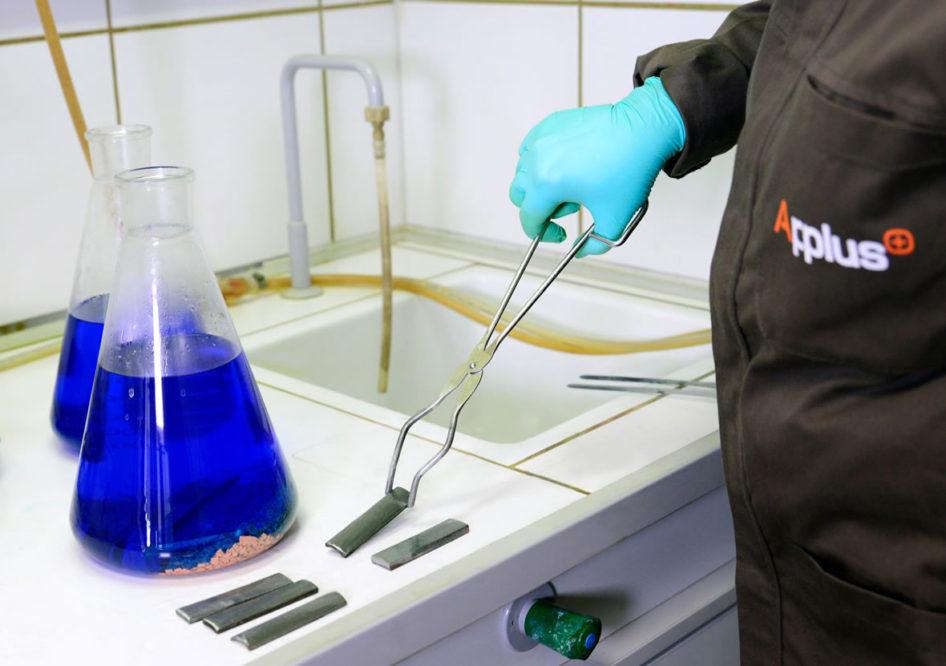
Corrosion is a natural process that gradually damages metals and other materials when they interact with moisture, chemicals, or environmental conditions. If left unchecked, corrosion can lead to equipment failure, production delays, safety hazards, and increased maintenance costs. This is where a corrosion study report becomes invaluable.
A corrosion study report provides detailed insights into how and why corrosion occurs, the extent of material damage, and the most suitable preventive measures. It combines laboratory testing, scientific analysis, and expert interpretation to help industries improve equipment reliability and extend the lifespan of valuable assets. Whether used in manufacturing, construction, power generation, or chemical processing, this report serves as a foundation for making informed maintenance and material selection decisions.
A corrosion study report is a technical assessment prepared after evaluating the condition of materials exposed to corrosive environments. The report helps determine the causes of deterioration and provides recommendations to minimize future damage.
Rather than simply identifying visible rust or surface wear, the report investigates the complete corrosion process using scientific testing methods. This allows engineers and maintenance professionals to understand the root cause instead of treating only the symptoms.
A comprehensive report generally covers:
This detailed information helps organizations make accurate maintenance and replacement decisions.
Corrosion affects almost every industry that uses metal components. Even minor corrosion can gradually weaken structures and reduce operational efficiency.
Conducting corrosion studies helps organizations:
Instead of reacting after equipment fails, industries can take preventive action based on scientific evidence.
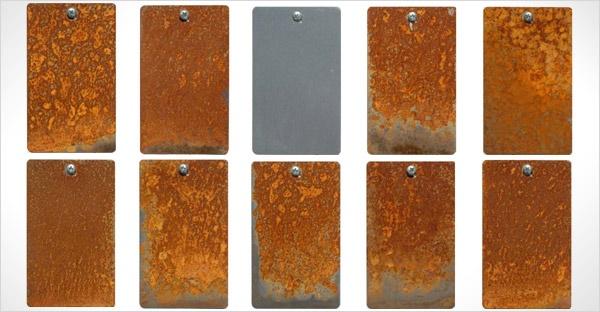
Every corrosion study follows a systematic approach to identify the source of material deterioration.
The first step involves understanding the type, composition, and properties of the affected material.
Experts inspect the damaged component for signs such as:
These observations provide valuable clues about the corrosion mechanism.
Advanced laboratory techniques help evaluate:
These tests improve the accuracy of the final report.
Environmental factors significantly influence corrosion rates. A study may assess:
Understanding these conditions allows experts to recommend suitable preventive measures.
When equipment fails unexpectedly, corrosion studies help determine whether corrosion contributed to the failure and identify the underlying reason.
By identifying corrosion at an early stage, organizations can take corrective measures before severe damage develops.
Preventive maintenance based on corrosion analysis is considerably less expensive than emergency repairs.
Corroded equipment can become structurally weak, increasing the risk of accidents. Regular corrosion studies help maintain safer working environments.
Different environments require different materials. Corrosion reports provide useful information for selecting suitable metals and protective coatings.
Reliable equipment results in fewer production interruptions and improved business efficiency.
Maintenance teams can prioritize repairs and replacements using factual laboratory findings instead of assumptions.
Corrosion affects nearly every industrial sector. A corrosion study report is particularly valuable in the following industries.
Pipelines, storage tanks, offshore platforms, and processing equipment require regular corrosion assessment to prevent leakage and environmental damage.
Steel reinforcement, bridges, buildings, and structural components are continuously exposed to weather conditions that accelerate corrosion.
Corrosive chemicals can rapidly damage processing equipment. Corrosion studies help improve equipment durability and plant safety.
Ships, docks, marine pipelines, and offshore installations experience constant saltwater exposure, making corrosion analysis essential.
Boilers, turbines, condensers, and cooling systems require corrosion monitoring for reliable operation.
Vehicle components are tested for corrosion resistance to improve quality and service life.
Aircraft structures must undergo corrosion evaluation to maintain safety and structural performance.
Pipes, storage systems, and processing equipment are regularly assessed to prevent corrosion-related failures.
Choosing an experienced testing laboratory improves the quality and usefulness of the final report.
Consider the following factors before selecting a service provider.
Look for professionals with experience in corrosion engineering and material science.
Advanced analytical equipment provides more reliable and detailed results.
Testing should follow recognized national or international standards to ensure accuracy.
An effective corrosion study report should explain:
Experience with your specific industry helps generate more practical recommendations.
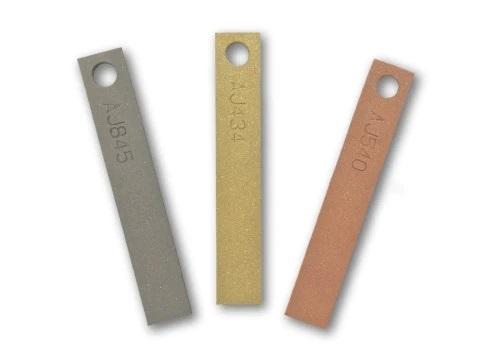
Although corrosion cannot be completely eliminated, it can be significantly controlled through proper maintenance and planning.
Regular inspections help detect early signs of corrosion before major damage occurs.
Choose corrosion-resistant materials suitable for the operating environment.
Paints, galvanization, and specialized coatings create barriers against moisture and chemicals.
Reducing humidity, chemical contact, and standing water minimizes corrosion risks.
Routine cleaning, inspections, and repairs improve long-term equipment performance.
Keeping previous corrosion study reports helps monitor deterioration patterns over time.
Some of the most common corrosion-related issues identified during inspections include:
Each type requires a different investigation method and preventive strategy.
A corrosion study report plays a critical role in protecting industrial assets from premature deterioration. It provides scientific evidence that helps organizations understand corrosion mechanisms, identify contributing factors, and implement effective prevention strategies.
By investing in regular corrosion assessments, industries can improve equipment reliability, reduce maintenance costs, enhance workplace safety, and extend the service life of valuable materials. Whether for infrastructure, manufacturing, marine applications, or process industries, corrosion studies remain an essential part of modern asset management and quality assurance.