English
 Arabic
 French
 Spanish
 Portuguese
 Deutsch
 Turkish
 Dutch
Dutch
 Italiano
 Russian
 Romaian
 Portuguese (Brazil)
 Greek
Greek
Phantom Targets Part 2 Arrives With ARC Raiders Rewards U4N
Games |
2026-08-17 02:55:14
 Advertise With Us
 About Us
 Terms And Conditions
 Política de privacidade
Ver todos
Política de privacidade
Ver todos

Atualizar para Plus
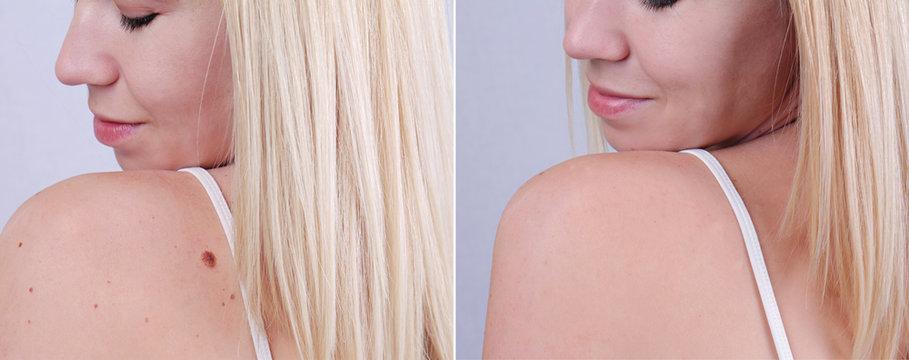
Congenital melanocytic nevi are pigmented skin lesions present at birth or appearing very shortly afterward. Ranging from small spots to extensive, highly visible formations, these birthmarks often prompt individuals to seek aesthetic and medical clarification. For those pursuing skin refinement, Birthmark removal in Jeddah provides access to advanced dermatological clinics equipped to evaluate and safely treat congenital moles with precision and care.
Unlike ordinary acquired moles that develop later in life due to sun exposure or aging, congenital nevi originate from an abnormal proliferation of melanocytes during embryonic development.
Size Classification: Medical professionals typically categorize these nevi based on their projected adult size—small (under 1.5 cm), medium (1.5 to 20 cm), and large or giant (exceeding 20 cm).
Texture and Appearance: These lesions can be flat, raised, smooth, or bumpy, and they frequently feature coarse terminal hair growth sprouting from the surface.
Biological Behavior: While the vast majority are benign, larger congenital nevi carry a small lifetime risk of evolving into more complex skin conditions, making professional evaluation essential.
Before any removal or reduction strategy is initiated, a meticulous dermatological examination is mandatory to determine the appropriate course of action.
Dermoscopic Examination: Specialists use specialized magnifying tools to inspect the cellular architecture of the nevus, checking for any irregular pigment patterns or atypical features.
Personalized Planning: Because congenital nevi often extend deeper into the dermis than other pigmented spots, treatment protocols must be carefully customized. While complete surgical excision may be required for deep or large lesions, superficial fractional and Q-switched lasers are frequently utilized for smaller marks or to fade residual discoloration.
Managing congenital melanocytic nevi depends heavily on the depth and volume of the pigment cells nestled within the skin layers.
Laser Light Therapy: Advanced picosecond and Q-switched lasers target superficial melanin clusters, effectively lightening the overall color of the nevus and blending it more harmoniously with the surrounding skin tone.
Surgical Techniques: For raised or deep-seated nevi that do not respond entirely to light-based therapies, precision surgical excision or serial excision (removing the lesion in stages) remains a reliable clinical option.
Post-treatment care for congenital nevi requires patience and strict adherence to specialist guidelines to ensure optimal healing.
Healing and Regeneration: Treated areas undergo a natural shedding and renewal phase over several weeks, during which gentle cleansing and prescribed soothing ointments are applied.
Sun Protection: Protecting healing skin from ultraviolet radiation is critical to prevent post-inflammatory hyperpigmentation.
Ongoing Surveillance: Regular follow-up appointments allow dermatologists to monitor the skin's long-term health and ensure lasting, aesthetically pleasing results.