English
 Arabic
 French
 Spanish
 Portuguese
 Deutsch
 Turkish
 Dutch
Dutch
 Italiano
 Russian
 Romaian
 Portuguese (Brazil)
 Greek
Greek
Trending Read The Summer of Second Chances by K.L. Walther
Travel |
2026-06-26 03:31:12
 Advertise With Us
 About Us
 Terms And Conditions
 Πολιτική Ιδιωτικότητας
δες τα όλα
Πολιτική Ιδιωτικότητας
δες τα όλα

Upgrade to Pro
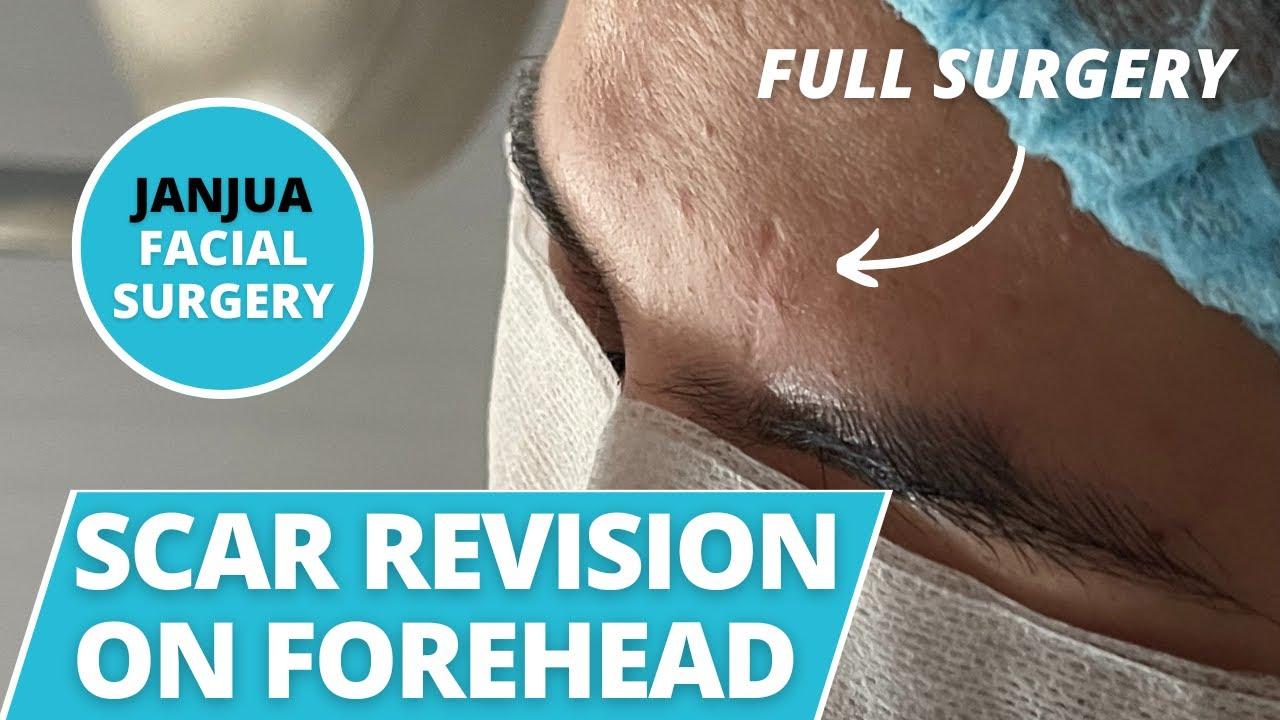
Surgical Scar Revision in Riyadh encounters unique challenges when scars are located near joints—such as the knees, elbows, or ankles—or across areas of high skin tension, like the shoulders or upper back. These areas are physiologically dynamic; they are constantly moving, which places significant, repetitive mechanical stress on the skin. Because motion is the enemy of a quiet, thin, and flat scar, managing these revisions requires a specialized approach that focuses on both surgical technique and rigid long-term physical management.
A scar’s appearance is directly influenced by the amount of tension it experiences during the healing process.
The "Widening" Effect: Even if a surgeon achieves a perfect, hair-thin closure, the natural movement of a joint acts like a force pulling the edges of the incision apart. Over months of healing, this tension often causes the scar to "stretch" or widen, resulting in a broader, more noticeable line.
Hypertrophic Response: The body often interprets constant mechanical tension as a sign that the wound is under stress and needs extra support. In response, it may produce excessive, disorganized collagen, leading to a raised, firm, or thickened scar that is more prominent than the surrounding skin.
To mitigate the effects of tension, surgeons utilize techniques that either offload the pressure or reorient the scar to be more compatible with the body’s movement:
Z-Plasty and W-Plasty: As previously discussed, these geometric closures break up the linear tension. By reorienting the scar so that it does not run parallel to the lines of tension created by joint movement, the force is dispersed.
Tension-Reducing Sutures: Surgeons may place deep, internal, dissolvable sutures that hold the structural integrity of the incision for a longer period, "offloading" the tension from the surface skin.
Subdermal Anchoring: In select cases, the skin edges may be anchored more deeply into the subcutaneous tissue to ensure that surface movement does not directly pull on the wound margins.
When the revision site is near a joint, surgery is only half the battle. The patient’s commitment to limiting movement is the other half.
Splinting and Immobilization: In some cases, surgeons may recommend the temporary use of a splint or a support garment to intentionally limit the range of motion of the joint during the first few weeks of healing. While inconvenient, this is often the only way to ensure the incision stays undisturbed while it gains initial strength.
Activity Modification: Patients must strictly avoid exercises or daily movements that specifically stretch the area. For example, if a scar is on the elbow, overhead reaching or heavy lifting must be restricted until the tissue has adequately remodeled.
Extended Tape Support: After the sutures are removed, the use of medical-grade adhesive tape or "tapering" over the scar is strongly encouraged for several months. This provides a constant, gentle physical barrier that helps counteract the pull of the skin during everyday movement.
Patients should be aware that scars near joints often require a longer maturation time and may be more prone to minor widening than scars in "quiet" areas of the body, such as the back or abdomen. The clinical objective is not necessarily to achieve a scar that is invisible, but to ensure it is functional, comfortable, and aesthetically acceptable.
By understanding the biomechanical forces at play and adhering strictly to the surgeon’s recommendations for movement limitation and support, patients can significantly minimize the impact of joint-related tension. This proactive, disciplined approach transforms a high-risk area into a successful, refined revision.
This is the 24th of 37 articles. Please let me know when you are ready for the next one.