English
 Arabic
 French
 Spanish
 Portuguese
 Deutsch
 Turkish
 Dutch
Dutch
 Italiano
 Russian
 Romaian
 Portuguese (Brazil)
 Greek
Greek
Ear Reshaping in Riyadh: When Can I Return to Work or School?
Health |
2026-07-08 21:24:39
 Advertise With Us
 About Us
 Terms And Conditions
 Πολιτική Ιδιωτικότητας
δες τα όλα
Πολιτική Ιδιωτικότητας
δες τα όλα

Upgrade to Pro
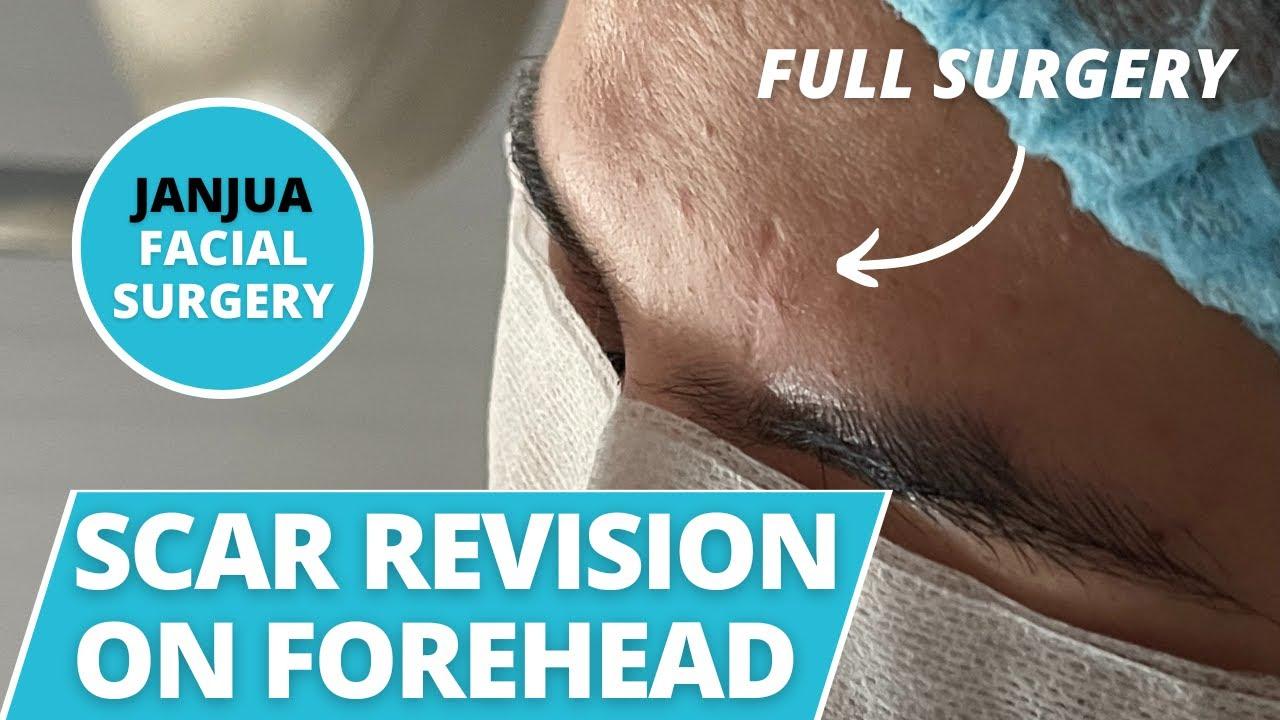
Surgical Scar Revision in Riyadh is an evolving medical discipline that benefits significantly from a multidisciplinary approach. While the initial surgical procedure is essential for correcting the physical structure of a scar, the subsequent integration of clinical dermatological care is what often differentiates a good result from an excellent one. By combining structural correction with targeted non-surgical therapies, clinicians can optimize the texture, color, and suppleness of the healing skin.
Many patients seeking revision have scars that present complex challenges, such as a combination of deep depression and uneven pigmentation. In such cases, a single surgical intervention may not be sufficient to achieve the desired aesthetic outcome. Modern clinical protocols often involve a structured "phase-based" treatment plan:
Phase 1: Structural Revision: This involves the primary surgical procedure—such as excision, Z-plasty, or subcision—to reset the scar’s architecture, reduce tension, and create a clean, thin foundation.
Phase 2: Remodeling and Texture Refinement: Once the surgical site has fully healed, the focus shifts to texture. Fractional laser resurfacing or microneedling is often introduced to stimulate the production of healthy collagen, further smoothing the scar's surface and blending it with the surrounding skin.
Phase 3: Color Correction: For scars that retain residual redness or hyperpigmentation, specialized vascular lasers or topical pigment-regulating agents are used. This ensures the scar does not stand out due to its color, effectively camouflaging the site.
As noted previously, skin tone plays a significant role in how a scar matures. In a clinical setting, managing the risk of post-inflammatory hyperpigmentation (PIH) is a standard priority. Clinicians may implement a "pre-conditioning" phase for patients at higher risk, utilizing specific topical skincare to stabilize the melanocytes (pigment-producing cells) before and after the surgical intervention. This proactive approach helps ensure that the healing process does not trigger an unwanted darkening of the scar line.
The efficacy of these combined treatments relies heavily on the patient's adherence to the recommended post-procedure regimen. A common failure point in scar management is the premature abandonment of aftercare once the surface appears healed.
Long-Term Sun Management: Even after the scar appears settled, UV exposure remains the primary threat to the stability of the result. Diligent application of medical-grade, broad-spectrum sunscreen is the simplest yet most effective way to prevent the recurrence of pigment-related issues.
Consistent Silicone Use: Research continues to show that the hydration and regulation provided by silicone gel or sheets are instrumental in preventing the "rebirth" of hypertrophic tendencies. Compliance with these products for several months is frequently linked to superior final outcomes.
Follow-Up Monitoring: Regular assessments during the first year allow the medical team to intervene quickly if signs of thickening or color instability appear. Early intervention with a quick steroid injection or a targeted laser session can often prevent a minor issue from becoming a significant aesthetic concern.
For individuals in the city, the path to successful scar revision is characterized by a partnership between patient and professional. By choosing a comprehensive strategy that prioritizes surgical precision and complements it with evidence-based dermatological refinement, patients can achieve a level of aesthetic integration that feels both natural and permanent. This methodical, evidence-driven approach ensures that the final result not only improves the physical appearance of the scar but also restores the patient’s overall confidence and comfort.
This is the 6th of 37 articles. Please let me know when you are ready for the next one.