English
 Arabic
 French
 Spanish
 Portuguese
 Deutsch
 Turkish
 Dutch
Dutch
 Italiano
 Russian
 Romaian
 Portuguese (Brazil)
 Greek
Greek
Fine Dining, Luxury Architecture, and Social Etiquette in Modern Lahore
Other |
2026-06-13 10:09:57
 Advertise With Us
 About Us
 Terms And Conditions
 Privacy Policy
See All
Privacy Policy
See All

Upgrade to Pro
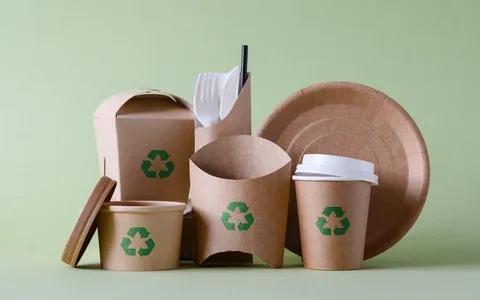
Sustainability in packaging has crossed a line. For years it was a differentiator — a way for values-led brands to stand apart. Increasingly, it's becoming a baseline expectation, and the brands that treat it as optional are the ones starting to look out of step. For online businesses in particular, where every order ships in a physical container, the pressure and the opportunity are both growing.
The question is no longer whether to move toward sustainable packaging, but how to do it in a way that's genuine, affordable, and future-proof. Here's where things are heading.
A generation of shoppers now factors environmental impact into buying decisions, and that expectation only rises with each cohort. Excessive plastic, oversized boxes, and mountains of non-recyclable filler no longer read as normal — they read as careless. Customers increasingly notice packaging waste, comment on it, and remember which brands respected their values and which ignored them.
This shift is durable, not a passing trend. Brands planning for the next several years should assume that sustainability expectations will keep tightening, and that packaging is one of the most visible places those expectations get tested.
The materials landscape is evolving quickly. The clearest direction of travel is away from mixed and plastic-heavy packaging and toward mono-material, paper-based, and recyclable-by-default solutions.
Corrugated and kraft materials sit at the centre of this shift because they're already widely recyclable, made from renewable fibre, and increasingly produced with high recycled content. They're also compatible with the existing recycling infrastructure most customers already have access to — which matters, because a package is only as sustainable as the customer's ability to actually dispose of it responsibly.
For most online brands, the practical near-term move isn't chasing exotic new materials — it's shifting to well-designed, recyclable fibre-based packaging like eco-friendly mailer boxes that customers can recycle without a second thought.
There's a temptation to think of sustainable packaging purely in terms of materials. But one of the largest environmental improvements available is simply using less packaging in the first place.
Oversized boxes waste material, waste the fuel required to ship air, and generate more waste at the customer's end. Right-sizing packaging to the product reduces all three at once. It's the rare sustainability improvement that also saves money — smaller, lighter parcels cost less to ship under dimensional-weight pricing. Expect right-sizing, aided by better data and design tools, to become a standard practice rather than a nice-to-have.
The future of packaging design starts with the question, "what happens to this after the customer is done with it?" Increasingly, packaging is being designed backward from its end of life:
Recyclable by default, using single materials that don't need to be separated.
Reusable where possible, so the package has a second life instead of an immediate trip to the bin.
Free of unnecessary coatings and laminates that complicate recycling.
Designing for disposal isn't just good ethics — it's good experience. Customers feel better about packaging they can deal with easily, and that good feeling attaches to the brand.
As sustainability claims multiply, so does scrutiny. Vague, unverifiable environmental language is losing its power, and customers are getting better at spotting the gap between claim and reality. The brands that win trust will be the ones that are specific and honest: what the packaging is made of, what recycled content it contains, and how to dispose of it properly.
The safest path forward is to under-claim and over-deliver. A brand that says exactly what its packaging is and quietly does the right thing will build more trust than one making sweeping green claims it can't fully back up.
An important shift is that sustainable packaging is no longer a compromise on brand experience. It used to be assumed that "eco" meant plain, brown, and basic. That's no longer true. Recyclable fibre-based materials can be printed, structured, and finished to look and feel genuinely premium.
This convergence matters because it removes the old trade-off. Brands no longer have to choose between packaging that looks good and packaging that does good. The future belongs to packaging that does both — visually distinctive, on-brand, and responsible at the same time.
There's a common worry that sustainable packaging is a big-brand luxury. In practice, the opposite is increasingly true. Smaller brands are often more nimble, able to switch to responsible materials without the inertia of huge existing contracts. And because sustainability is so visible to customers, it's a place where a small brand can punch well above its weight in perceived values and care.
Practical, affordable starting points for a smaller online business:
Switch to recyclable fibre-based packaging as your default rather than plastic-based options.
Right-size your most-shipped products to cut material and shipping impact immediately.
Cut unnecessary filler and coatings that complicate recycling.
Be specific and honest about what your packaging is and how to dispose of it.
Design the experience, so responsible packaging still feels considered and on-brand.
The direction is clear even where the specifics are still evolving. Regulations around packaging waste are tightening in many markets. Customer expectations are rising. Material technology is improving. The brands best positioned for the next few years are the ones building sustainable thinking into their packaging decisions now, while it's still a competitive advantage rather than a scramble to comply.
Sustainable packaging is shifting from a marketing angle to an operational and ethical baseline. The future favours packaging that's recyclable by design, right-sized to reduce waste, honest in its claims, and still capable of delivering a strong brand experience. For online brands, the smart move isn't to wait until sustainability is mandatory — it's to treat it as an opportunity to build trust and stand out while doing genuine good.