English
 Arabic
 French
 Spanish
 Portuguese
 Deutsch
 Turkish
 Dutch
Dutch
 Italiano
 Russian
 Romaian
 Portuguese (Brazil)
 Greek
Greek
Kheloyar App Betting Tips & Tricks to Win Real Money Every Day
Games |
2026-08-01 09:07:23
 Advertise With Us
 About Us
 Terms And Conditions
 Privacy Policy
Hepsini Gör
Privacy Policy
Hepsini Gör

Upgrade to Pro
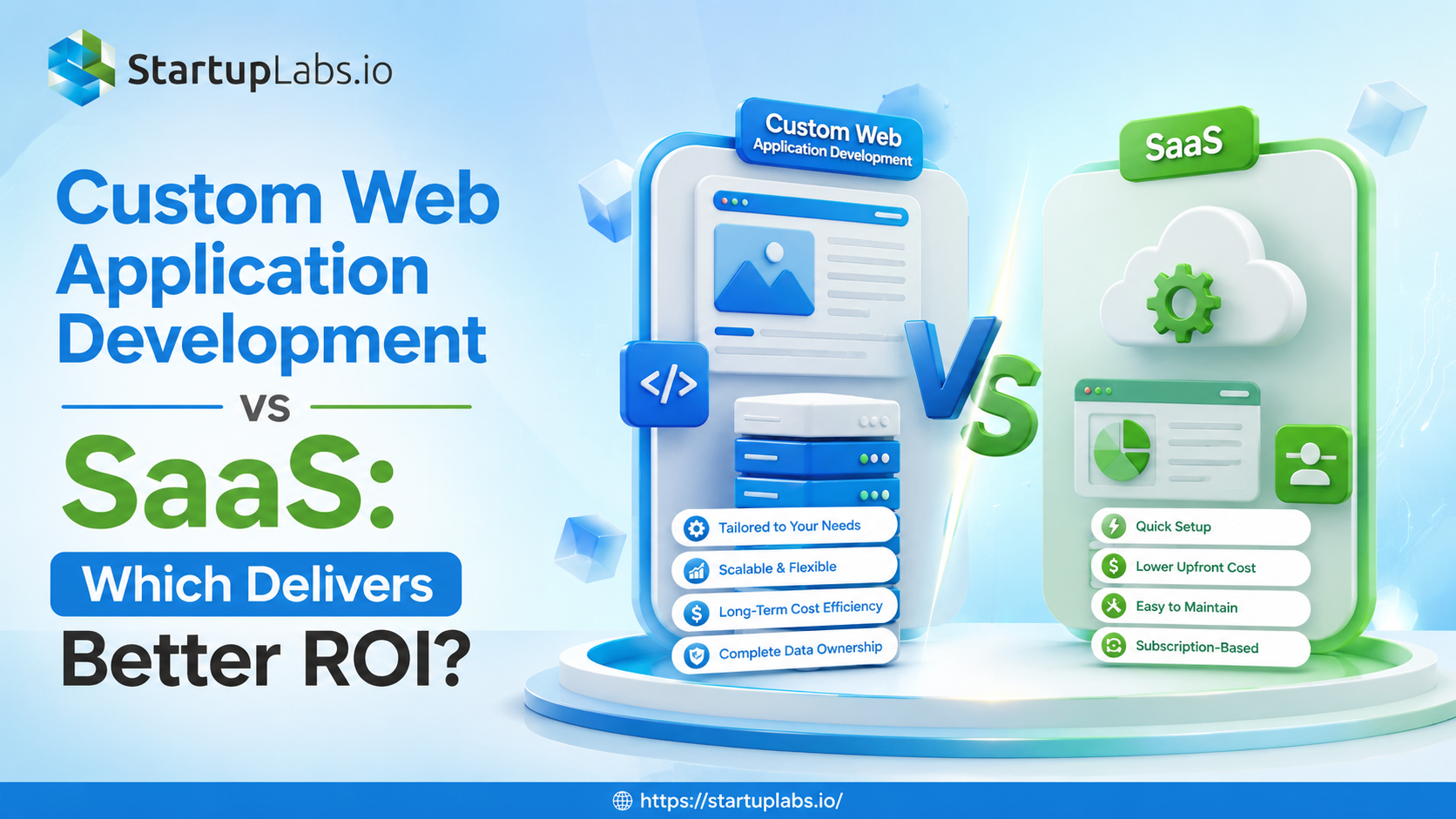
In today's digital-first economy, businesses rely on software to streamline operations, improve customer experiences, and stay competitive. One of the biggest decisions organizations face is whether to invest in a custom web application or subscribe to a Software as a Service (SaaS) solution. While both options offer unique advantages, the right choice depends on your business goals, budget, scalability needs, and long-term strategy.
A common question among startups, small businesses, and enterprises is: Which option delivers a better return on investment (ROI)? The answer isn't the same for every business. This guide compares custom web application development and SaaS across key factors such as cost, flexibility, scalability, security, and long-term value to help you make an informed decision.
Software as a Service (SaaS) refers to cloud-based software that users access through a web browser. Instead of purchasing software outright, businesses pay a monthly or annual subscription fee.
Popular SaaS platforms include customer relationship management (CRM), project management, accounting, communication, and marketing automation tools.
SaaS works well for organizations that need proven functionality without investing significant time or resources in software development.
A custom web application is software built specifically for your organization's workflows, business model, and objectives. Unlike SaaS, which serves thousands of businesses with similar features, a custom application is designed around your exact requirements.
A custom web application can include:
Because the application is purpose-built, businesses gain greater control over features, integrations, security, and future enhancements.
SaaS has a clear advantage when it comes to upfront costs.
Businesses can start using most SaaS platforms immediately after purchasing a subscription, making them attractive for startups or companies with limited budgets.
Custom web applications require planning, design, development, testing, and deployment, resulting in a higher initial investment.
Winner: SaaS (Short-Term)
Although SaaS appears affordable initially, subscription fees continue indefinitely.
As your business grows, additional users, premium features, storage, and integrations often increase monthly expenses.
A custom web application typically requires a one-time development investment followed by maintenance and enhancements. Over several years, ownership often becomes more cost-effective than paying recurring SaaS subscriptions.
Winner: Custom Web Application (Long-Term)
SaaS platforms are built for mass adoption, meaning customization options are often limited.
Businesses frequently need to change their processes to fit the software rather than the other way around.
Custom web applications are designed around existing workflows, allowing organizations to automate unique business processes without compromise.
Benefits include:
Winner: Custom Web Application
Growing businesses need software that evolves alongside them.
Most SaaS solutions support business growth but may impose pricing tiers, usage restrictions, or feature limitations.
A custom application allows businesses to:
Because you control the application, scalability becomes much more flexible.
Winner: Custom Web Application
Modern businesses use multiple tools for accounting, marketing, CRM, analytics, payments, and customer support.
While SaaS platforms often provide APIs, integrations can be limited or require premium plans.
Custom applications can integrate with virtually any business software, creating a centralized ecosystem that improves efficiency and reduces manual work.
Examples include:
Winner: Custom Web Application
Security is increasingly important as businesses handle sensitive customer information.
SaaS vendors generally implement strong security standards, but organizations must trust third-party providers with their data.
Custom applications allow businesses to implement security measures tailored to their compliance requirements, including:
Organizations in healthcare, finance, legal services, and government often benefit from greater control over security.
Winner: Custom Web Application
One major limitation of SaaS is that competitors can access the same software.
A custom web application creates unique capabilities that competitors cannot easily replicate.
Businesses can develop:
These advantages contribute directly to improved productivity, customer satisfaction, and business growth.
Winner: Custom Web Application
SaaS is an excellent choice when:
Many startups begin with SaaS products before investing in custom software as they grow.
Custom development provides stronger long-term value when:
Although development requires greater upfront investment, businesses often recover those costs through improved efficiency, reduced licensing expenses, higher productivity, and stronger customer retention.
| Factor | SaaS | Custom Web Application |
|---|---|---|
| Initial Cost | Low | High |
| Long-Term Cost | Higher over time | More cost-effective |
| Customization | Limited | Fully customizable |
| Scalability | Moderate | Excellent |
| Integrations | Limited | Extensive |
| Security Control | Shared | Full control |
| Competitive Advantage | Low | High |
| Ownership | Subscription-based | Business-owned |
There is no universal answer because every organization has different priorities.
If your business needs a fast, affordable solution with standard features, SaaS can deliver excellent short-term value.
However, if your organization plans to scale, automate complex workflows, improve customer experiences, or build a long-term digital asset, investing in a custom web application typically provides a significantly higher return on investment.
Custom software gives businesses complete ownership, greater flexibility, enhanced security, and the freedom to innovate without being limited by third-party platforms.
Choosing between SaaS and custom web application development is ultimately a strategic business decision rather than just a technical one. While SaaS offers speed, convenience, and lower upfront costs, recurring subscription fees and limited customization can reduce long-term value as your business grows.
A custom web application requires a larger initial investment, but it often delivers superior ROI through tailored functionality, greater operational efficiency, stronger security, and unlimited scalability. For organizations looking to create sustainable competitive advantages and support future growth, custom software is frequently the smarter long-term investment.
If you're evaluating whether a custom solution is the right fit for your business, partnering with an experienced development team such as StartUpLabs can help you design and build a scalable web application that aligns with your business goals while maximizing long-term return on investment