English
 Arabic
 French
 Spanish
 Portuguese
 Deutsch
 Turkish
 Dutch
Dutch
 Italiano
 Russian
 Romaian
 Portuguese (Brazil)
 Greek
Greek
Advertising Agency in India: A Complete Guide for Modern Businesses
Other |
2026-07-21 10:11:57
 Advertise With Us
 About Us
 Terms And Conditions
 سياسة الخصوصية
عرض كل النتائج
سياسة الخصوصية
عرض كل النتائج

ترقية الحساب
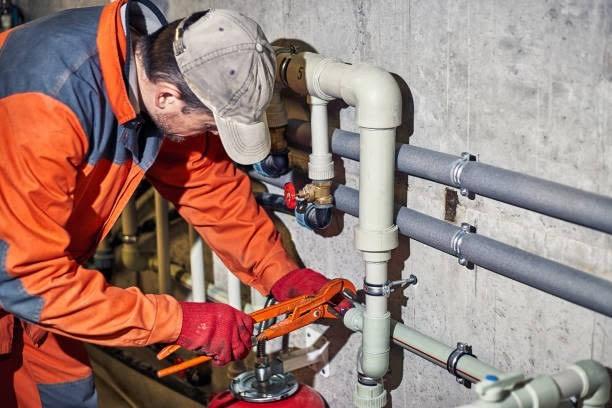
Plumbing is one of the most important systems in any home, yet it is often overlooked until something goes wrong. A leaking tap, blocked drain, or burst pipe can quickly turn into a costly repair if it is not addressed early. The good news is that many common plumbing problems can be prevented with regular maintenance and by understanding the warning signs before they become serious.
Knowing what causes these issues and how to avoid them helps homeowners protect their property, reduce repair costs, and keep their plumbing system working efficiently. While some small maintenance tasks can be handled on your own, more complex issues should always be inspected by a qualified Geelong Plumber to ensure the problem is fixed safely and correctly.
Dripping Taps
A dripping tap may seem like a small inconvenience, but over time it can waste a surprising amount of water. Even a slow drip can increase your water bill and put unnecessary strain on your plumbing system.
How to avoid it:
Fixing a small leak early is much easier and cheaper than replacing an entire tap assembly later.
Blocked Drains
Blocked drains are among the most common plumbing problems in kitchens, bathrooms, and laundries. Hair, soap residue, grease, food scraps, and foreign objects gradually build up inside pipes, slowing water flow until a complete blockage occurs.
Prevention tips:
If water begins draining slowly, acting early can prevent a complete blockage.
Running Toilets
A toilet that constantly runs wastes a significant amount of water every day. In many cases, the problem is caused by worn internal components inside the cistern.
Preventive measures:
Ignoring a running toilet can lead to unnecessarily high water bills.
Low Water Pressure
Low water pressure makes everyday tasks such as showering, washing dishes, and filling appliances frustrating. The cause may range from mineral buildup to hidden leaks or damaged pipes.
How to reduce the risk:
Persistent low pressure often requires professional diagnosis to identify the underlying cause.
Leaking Pipes
Pipe leaks are one of the most damaging plumbing issues because they often remain hidden behind walls, under floors, or inside ceilings. By the time visible damage appears, moisture may have already caused mould, timber damage, or structural problems.
Watch for warning signs such as:
Routine inspections by an experienced Geelong Plumber can help identify hidden leaks before they become expensive repairs.
Hot Water System Problems
Many homeowners only think about their hot water system when it suddenly stops working. However, most failures develop gradually over time.
Common signs include:
Regular servicing helps extend the life of your hot water system while reducing the chance of unexpected breakdowns.
Burst Pipes
Burst pipes can cause severe water damage within minutes. They often occur because of aging pipes, corrosion, excessive water pressure, or accidental damage during renovations.
Ways to reduce the risk:
Quick action after discovering a burst pipe can significantly reduce repair costs.
Sewer Line Issues
Problems with sewer lines are less common but usually more serious. Tree roots, ground movement, aging pipes, and accumulated waste can all damage underground sewer systems.
Warning signs include:
Modern camera inspections allow plumbers to identify sewer problems accurately without unnecessary excavation.
Preventive Plumbing Maintenance
Preventive maintenance remains the most effective way to avoid unexpected plumbing emergencies. Small issues rarely stay small when left unattended.
Good maintenance habits include:
Scheduling routine inspections helps identify developing issues before they become major repairs.
Mistakes Homeowners Should Avoid
Many plumbing problems become worse because of well-intentioned DIY fixes. Using the wrong tools or temporary repairs can often increase the damage.
Avoid these common mistakes:
Knowing when to seek professional assistance can save both time and money.
When Should You Call a Professional?
Some plumbing issues require specialised equipment and technical expertise. Attempting major repairs without proper knowledge can lead to further damage and higher repair costs.
You should contact a Geelong Plumber if you notice:
Early professional intervention often prevents minor problems from becoming major emergencies.
Final Thoughts
Most home plumbing problems develop gradually rather than appearing overnight. Small leaks, slow drains, unusual noises, or changing water pressure are often early warning signs that should never be ignored. Regular maintenance, responsible everyday habits, and prompt repairs all play an important role in keeping your plumbing system reliable and efficient.
By understanding the most common plumbing issues and taking simple preventive steps, homeowners can reduce repair costs, conserve water, and avoid unnecessary disruptions. When problems go beyond basic maintenance, working with a trusted Geelong Plumber ensures your home's plumbing remains safe, efficient, and built to last.