English
 Arabic
 French
 Spanish
 Portuguese
 Deutsch
 Turkish
 Dutch
Dutch
 Italiano
 Russian
 Romaian
 Portuguese (Brazil)
 Greek
Greek
Recommended Title The Wicked Sea by Jordan Stephanie Gray
Sports |
2026-06-23 06:47:49
 Advertise With Us
 About Us
 Terms And Conditions
 Политика конфиденциальности
Смотреть все
Политика конфиденциальности
Смотреть все

Обновить до Про
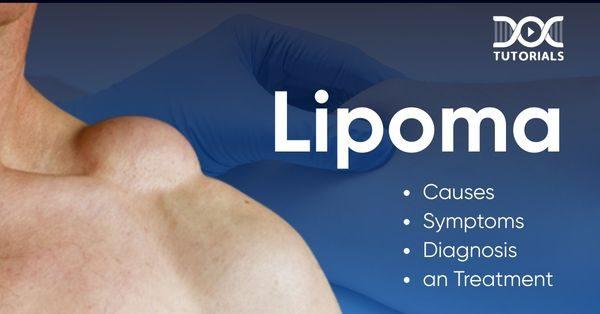
Lipoma Treatment in Riyadh adheres to rigorous safety protocols and clinical standards, ensuring that patients receive high-quality care that minimizes risks while maximizing surgical success. Because the excision of a lipoma is considered a routine procedure, the primary focus of the medical community in this region is the meticulous maintenance of a sterile environment, the precise application of anatomical knowledge, and a structured approach to pre- and post-operative management. Understanding these safety foundations helps patients feel secure and confident throughout their treatment journey.
Safety in any surgical setting begins with the environment. Whether the procedure is performed in an outpatient clinic or a hospital facility, the highest standards of sterilization are employed. All instruments used during the excision are subjected to autoclave sterilization, and the surgical team adheres to strict aseptic techniques. This includes the use of sterile gowns, gloves, and drapes, as well as the thorough preparation of the patient’s skin with antiseptic solutions. By neutralizing the potential for contamination at every step, the risk of post-operative infection—which is the most common concern in minor skin surgery—is kept to an absolute minimum.
Clinical safety is also intrinsically linked to the appropriate administration of anesthesia. In the Riyadh medical landscape, local anesthesia is the standard for most lipoma excisions, providing a safe, effective way to numb the area while the patient remains awake and alert. For larger, deeper, or more complex lipomas that might require a more extensive dissection, sedation or general anesthesia may be offered in a hospital setting. The decision is always made following a thorough medical review to determine the safest and most comfortable option for the individual. The use of local anesthetic agents containing epinephrine is also standard practice; this helps constrict blood vessels, which reduces bleeding during the procedure and provides a clearer visual field for the surgeon to ensure the entire fatty mass and its capsule are removed.
A key component of safety is the surgeon’s mastery of the procedure. Standardized protocols favor a longitudinal incision, often designed to align with natural skin tension lines (Langer’s lines) to ensure the smallest possible scar. The "gold standard" involves the complete removal of the lipoma capsule, as leaving any fatty tissue behind is the primary driver of recurrence. Surgeons utilize blunt dissection, spreading the tissue carefully to separate the lipoma from surrounding muscles and nerves. This technique avoids the use of excessive heat (electrocautery) near sensitive structures, preventing accidental thermal injury and ensuring a cleaner healing process for the patient.
Safety protocols extend beyond the operating table. In professional facilities across Riyadh, every specimen removed—regardless of how "typical" the lipoma appears—is routinely sent for histopathological examination. This laboratory analysis provides an objective, scientific confirmation that the mass was indeed a benign lipoma, protecting the patient from any ambiguity. Furthermore, the closure of the wound is treated with equal importance. By using multi-layered suturing—closing the deep dermal layers first to eliminate "dead space" under the skin—surgeons significantly reduce the risk of seroma (fluid accumulation) or hematoma (blood collection) formation.
The final pillar of safety is a clear communication channel between the patient and the medical team. Post-operative safety depends on the patient understanding their recovery instructions: when to keep the wound dry, how to monitor for signs of infection, and when to return for suture removal. A structured follow-up appointment is standard, allowing the surgeon to inspect the healing site, assess the scar’s maturation, and provide ongoing guidance. If at any point the patient notices increasing pain, spreading redness, or unexplained swelling, they are encouraged to contact their clinical team immediately. This open, responsive approach to patient care is a hallmark of the medical services in the region.
Ultimately, Lipoma Treatment in Riyadh is defined by a commitment to evidence-based safety. By integrating advanced anatomical knowledge, high-standard sterilization, and patient-centered monitoring, medical professionals ensure that the path to wellness is as safe and predictable as possible. For the patient, this rigorous focus on safety means that they can focus entirely on their recovery, confident in the knowledge that their care is being handled with the highest level of professional diligence and integrity.