English
 Arabic
 French
 Spanish
 Portuguese
 Deutsch
 Turkish
 Dutch
Dutch
 Italiano
 Russian
 Romaian
 Portuguese (Brazil)
 Greek
Greek
Rotational Molding Machine Market Registering a CAGR of 6.2% Through 2036 as Industrial Equipment Manufacturers Invest in Production Efficiency
Networking |
2026-06-22 14:44:58
 Advertise With Us
 About Us
 Terms And Conditions
 Datenschutzbestimmungen
Alle anzeigen
Datenschutzbestimmungen
Alle anzeigen

Upgrade auf Pro
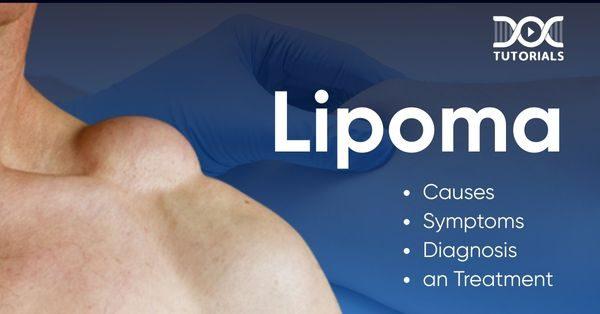
Following a surgical procedure like lipomatic treatment in riyadh removal, the way you manage your incision during the recovery phase is one of the most important factors in determining your final cosmetic result. While scars are a natural part of the healing process, diligent care can significantly minimize their appearance, texture, and pigmentation.
Understanding that scar healing is a long-term process helps manage expectations. A scar typically takes 12 to 18 months to fully mature.
Inflammatory Phase (Weeks 0–2): Your primary goal is to keep the wound clean and dry to prevent infection, which is a major cause of thickened scarring.
Proliferative Phase (Weeks 2–8): As the wound closes, the body works to reinforce the area. This is when consistency in your scar management routine begins to pay off.
Remodeling Phase (Months 2–18): Your body replaces initial collagen with more organized, stronger tissue. This is the stage where the scar begins to flatten, soften, and fade.
To support the best possible outcome, follow these evidence-based steps once your surgeon confirms your wound is fully closed (typically around the 2–3 week mark):
Silicone Therapy (The Gold Standard): Medical-grade silicone is the most highly recommended non-invasive treatment. It creates an "occlusive" barrier that traps moisture, signaling the body to regulate collagen production, which prevents the scar from becoming raised or thickened.
How to use: Apply silicone gel twice daily or wear silicone sheets for 12+ hours per day. Aim for at least 3 to 6 months of consistent use.
Scar Massage: Once the wound is fully closed and stable, gentle massage can help break up internal adhesions and improve the scar's flexibility.
How to do it: Using clean hands and a non-perfumed moisturizer, apply firm, circular pressure for 5–10 minutes, 2–3 times daily. This improves blood flow and softens the tissue.
Sun Protection: This is perhaps the most critical step for the first year. UV exposure can cause permanent hyperpigmentation (darkening) of the new, sensitive scar tissue.
Best practice: Use a broad-spectrum SPF 30+ sunscreen daily on the scar. If the scar is in a location where it can be covered by clothing or a hat, that is even more effective.
Minimize Tension: Avoid strenuous activity or heavy lifting for the first 3–6 weeks. Excessive tension on the healing skin can cause the scar to stretch or widen.
Picking at Scabs: Let scabs fall off naturally. Picking at them can disrupt the healing tissue and increase the risk of infection or scarring.
Harsh Chemicals: Do not use hydrogen peroxide, alcohol, or exfoliating scrubs on the incision, as these can irritate and damage delicate, healing skin.
Smoking and Nicotine: These substances significantly impair blood flow and oxygen delivery to the skin, which is scientifically linked to poorer healing and more prominent scarring.
While some redness, itching, and tenderness are normal in the first few weeks, you should reach out to your clinical team if you notice signs of complications:
Signs of Infection: Increasing redness, spreading warmth, discharge, or fever.
Excessive Bleeding: Bright red blood that does not stop with firm, constant pressure.
Wound Separation: If the edges of the incision begin to pull apart.
By staying disciplined with your routine—particularly regarding sun protection and silicone therapy—you give your body the best environment to heal smoothly and imperceptibly. Remember, consistency is your most powerful tool in achieving a great cosmetic result.