English
 Arabic
 French
 Spanish
 Portuguese
 Deutsch
 Turkish
 Dutch
Dutch
 Italiano
 Russian
 Romaian
 Portuguese (Brazil)
 Greek
Greek
Biomarkers Market: Strategic Insights and Future Potential
Other |
2026-08-21 13:12:05
 Advertise With Us
 About Us
 Terms And Conditions
 Privacy Policy
TOON ALLES
Privacy Policy
TOON ALLES

Upgrade to Pro
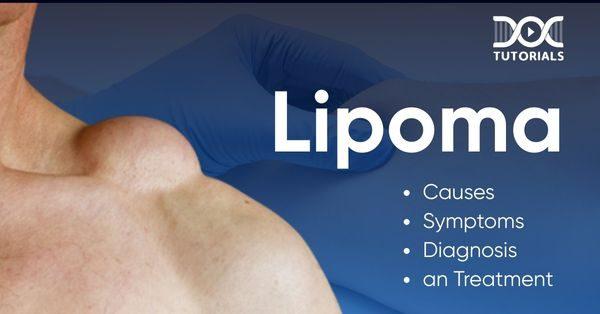
Lipoma Treatment in Riyadh is a topic often surrounded by misunderstandings and unnecessary anxiety, particularly regarding the nature of these fatty growths and the necessity of medical intervention. Many patients seeking care in the capital often arrive with preconceived notions about what a lipoma is, how it should be treated, and whether it poses a long-term threat to their health. By consulting with qualified medical professionals in the region, patients can separate medical fact from common myths, ensuring they make informed decisions about their health. Understanding that these growths are benign and often require no treatment at all can significantly alleviate the stress associated with discovering a new lump under the skin.
One of the most pervasive myths encountered during consultations for Lipoma Treatment in Riyadh is the fear that a lipoma is a form of cancer or that it will inevitably transform into a malignancy. In reality, a lipoma is a benign, soft tissue tumor composed strictly of mature fat cells. It does not possess the biological characteristics of cancerous tissue; it does not metastasize, nor does it invade surrounding structures. While there is a rare, unrelated condition known as liposarcoma, it is distinct from a standard lipoma in its presentation—often feeling firmer, growing much more rapidly, and remaining fixed to the surrounding tissue rather than moving easily. Regular professional evaluation ensures that any lump is correctly identified, providing the peace of mind that a benign lipoma remains just that.
There is a widespread belief that once a lipoma is detected, it must be excised immediately. This is far from the truth. In most clinical cases, a lipoma that is small, painless, and not causing any cosmetic or functional impairment does not require any active treatment. Many residents in Riyadh choose the "watch and wait" approach, where they simply monitor the lump for any significant changes in size, texture, or sensitivity. Medical intervention is generally reserved for situations where the lipoma causes physical pain, restricts movement by pressing on a nerve or joint, grows rapidly, or presents a significant aesthetic concern to the patient.
In the age of internet information, many patients inquire about non-surgical, "natural" ways to shrink or eliminate lipomas. From herbal supplements and specialized diets to topical creams and massage techniques, there are countless anecdotal claims. However, it is essential to emphasize that there is no scientific evidence to support the efficacy of these methods. Lipomas are encapsulated growths; they cannot be dissolved by dietary changes or external applications. Relying on unproven home remedies can lead to delayed diagnosis of other, more serious conditions and may waste valuable time. Professional medical treatment remains the only reliable way to safely and permanently remove these growths.
While some patients worry that surgery is futile because the lump will simply return, the reality is more nuanced. When a lipoma is properly removed via surgical excision—a procedure that includes the removal of the fibrous capsule surrounding the fat cells—the recurrence rate at that specific site is extremely low. If a patient does experience the return of a lump, it is often a new lipoma developing nearby rather than a regrowth of the original one. Genetic predisposition plays a significant role in the development of these growths, which explains why some individuals may be prone to developing multiple lipomas over their lifetime.
Patients often feel a sense of guilt, believing that their diet, lack of exercise, or other lifestyle habits caused their lipomas. It is vital to clarify that lipomas are not caused by obesity, poor nutrition, or lack of physical activity. They are largely related to genetic factors and individual metabolic processes. While maintaining a healthy lifestyle is always recommended for general well-being, it will not prevent the development of lipomas in those who have a genetic tendency toward them. Understanding this helps remove the stigma and self-blame that can sometimes accompany a diagnosis.
Because of the myths surrounding these lumps, professional assessment is the cornerstone of effective Lipoma Treatment in Riyadh. A healthcare provider can distinguish between a standard lipoma and other conditions, such as cysts, lymph nodes, or deeper tissue masses that may require different approaches. Through clinical examination and, if necessary, diagnostic imaging like an ultrasound or MRI, doctors provide a clear path forward. Whether the conclusion is to observe the growth or proceed with a straightforward outpatient excision, the care provided in Riyadh is geared toward patient safety and clinical precision.
By clearing up these misconceptions, patients can move forward with confidence. Knowing that most lipomas are harmless and that safe, proven medical options are available allows individuals to address their concerns without unnecessary fear.