English
 Arabic
 French
 Spanish
 Portuguese
 Deutsch
 Turkish
 Dutch
Dutch
 Italiano
 Russian
 Romaian
 Portuguese (Brazil)
 Greek
Greek
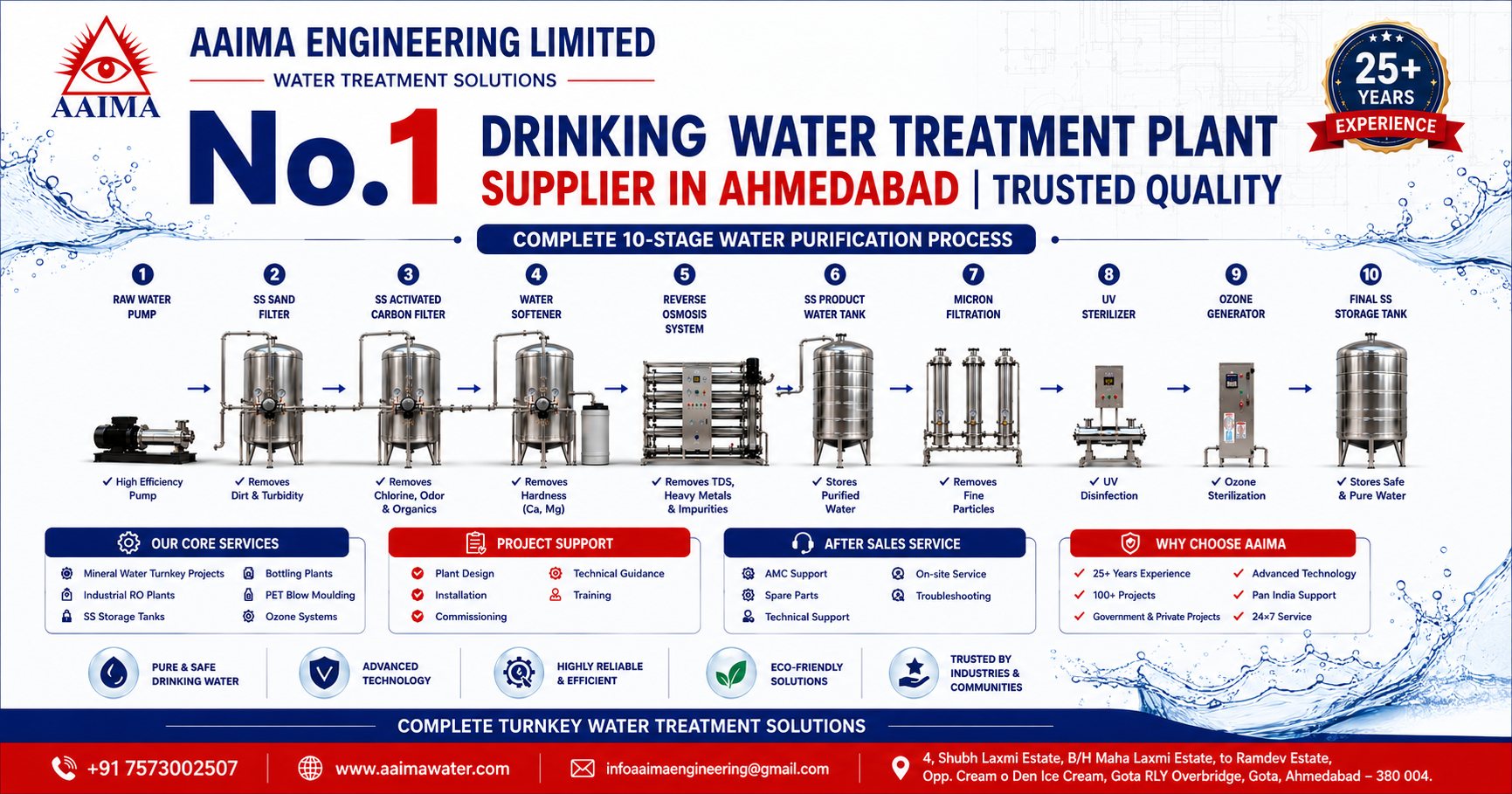
No. 1 Drinking Water Treatment Plant Supplier in Ahmedabad | AAIMA Engineering
Other |
2026-07-03 10:21:48
 Advertise With Us
 About Us
 Terms And Conditions
 Privacy Policy
See All
Privacy Policy
See All

Upgrade to Pro
How Data-Driven Decision-Making Strengthens Modern EHS Programs
An Environmental, Health, and Safety (EHS) program is only as effective as the decisions employees make every day. Policies, procedures, and documented guidelines establish an important foundation, but they cannot improve workplace safety if decisions are based on assumptions, outdated records, or incomplete information. Organizations achieve better results when every action is supported by accurate, timely data that reflects current workplace conditions.
This is why data-driven decision-making has become a core element of modern EHS management. Rather than relying solely on experience or instinct, organizations use information collected through inspections, audits, incident investigations, workplace observations, and training activities to guide operational choices. When reliable data supports every decision, businesses can identify risks earlier, improve compliance, and enhance safety performance across departments and multiple operating locations.
Understanding Data-Driven Decision-Making in EHS
Within an EHS management system, data-driven decision-making means using verified information to support planning, prioritize safety initiatives, distribute resources effectively, and control workplace risks. Instead of reacting after problems occur, organizations use measurable information to determine where improvements are needed, identify the most critical issues, evaluate investment priorities, and measure whether safety efforts are delivering meaningful results.
Simply collecting information is not enough to create value. The greatest benefits come from managing data throughout its entire lifecycle. Information must be captured consistently, organized using standardized formats, verified for accuracy, analyzed for trends, and converted into practical actions that improve environmental performance and workplace safety.
The goal is not to produce more reports or fill dashboards with numbers. Instead, organizations focus on using meaningful information to make better operational decisions that support safer workplaces, stronger environmental performance, and more effective business operations.
Why a Data-Driven EHS Strategy Delivers Better Results
Organizations that make decisions using dependable information gain a much clearer understanding of their overall operations. They can recognize successful practices, uncover areas needing attention, and identify emerging risks before they develop into larger incidents. Early visibility allows corrective action to be taken before problems escalate into costly disruptions or safety events.
A data-focused approach also encourages greater accountability throughout the business. When executives, managers, supervisors, employees, and contractors evaluate performance using the same measurements, expectations become clearer and decision-making remains consistent across every level of the organization.
Another significant advantage is improved regulatory preparedness. Organized documentation and standardized reporting simplify audits and inspections while reducing the effort required to demonstrate compliance with both internal standards and external regulations.
The benefits extend well beyond regulatory obligations. Organizations that rely on accurate information often experience fewer operational delays, reduced near-miss occurrences, faster approval processes, and more efficient workflows. Together, these improvements strengthen productivity, increase workforce confidence, and enhance the organization's overall reputation.
Measuring the Right EHS Performance Indicators
A successful EHS program evaluates performance using both leading and lagging indicators. Leading indicators help identify potential risks before incidents happen, while lagging indicators measure actual outcomes after events occur. Combining both perspectives provides a more complete understanding of workplace safety performance and the effectiveness of existing controls.
Leading Indicators That Support Prevention
Leading indicators help organizations recognize weaknesses early enough to prevent larger problems from developing.
Near-miss reporting is one of the most valuable sources of operational insight. Events that almost resulted in an incident often reveal unsafe behaviors, procedural weaknesses, or hazardous conditions that could eventually lead to injuries or operational interruptions. Encouraging employees to report these events provides valuable opportunities to strengthen workplace controls before serious incidents occur.
Behavior-Based Safety (BBS) observations also contribute valuable information. Their effectiveness is determined less by the number of observations completed and more by the quality of those observations and the improvements implemented afterward.
Training performance should be evaluated beyond attendance records alone. Organizations gain a better understanding of workforce readiness by assessing employee competency, reviewing knowledge retention, monitoring refresher training participation, and observing how employees apply new skills during everyday work.
Permit-to-work activities provide additional insight into operational discipline. Measurements such as permit approval times, processing efficiency, and deviations identified during work execution help organizations evaluate planning effectiveness and strengthen operational controls.
Inspection results and corrective action progress also play an important role. Monitoring both the seriousness of identified issues and the speed at which corrective actions are completed helps determine whether risks are being effectively managed or repeatedly overlooked.
Lagging Indicators That Measure Outcomes
While leading indicators focus on prevention, lagging indicators evaluate incidents that have already occurred. These measurements help organizations understand how well existing controls performed and where improvements are still needed.
Metrics such as Total Recordable Incident Rate (TRIR) and Lost Time Injury Frequency Rate (LTIFR) continue to provide valuable benchmarks because they allow organizations to compare safety performance across departments, worksites, and contractor groups using consistent standards.
Environmental performance should also be assessed using more than the number of compliance violations alone. Organizations benefit from reviewing how quickly environmental issues are resolved and whether similar problems continue to occur over time.
Equipment reliability provides another important measure of operational performance. Repeated equipment failures, delayed maintenance activities, and recurring asset-related issues can affect both productivity and workplace safety.
Financial measurements further strengthen EHS evaluations by connecting safety performance with business outcomes. Costs related to medical treatment, insurance claims, operational downtime, lost productivity, and incident recovery provide leadership with a broader understanding of the organizational impact of safety performance.
Building a Data-Driven EHS Program
Creating a data-driven EHS program is an ongoing process that delivers the best results through a practical and structured approach rather than attempting to improve everything at once.
The first step is establishing a limited number of well-defined objectives. Whether the focus is reducing incident escalation, improving permit-to-work efficiency, or completing overdue corrective actions, concentrating on a small number of priorities allows organizations to achieve measurable progress more effectively.
Consistency across the organization is equally important. Standardizing reporting formats, classifications, terminology, severity ratings, and documentation improves data quality while making comparisons between different sites more accurate and meaningful.
Improving data quality during collection also reduces future problems. Mandatory information fields, predefined selections, and built-in validation rules help ensure that complete and accurate information enters the system from the beginning.
Once dependable information has been collected, organizations benefit from consolidating data from inspections, incidents, training activities, permits, and asset management into a centralized platform. Combining multiple information sources creates a broader operational view and supports more informed decision-making.
Dashboards should also be designed around the needs of different users. Managers and supervisors require clear visibility into performance trends, emerging risks, and critical operational indicators so they can respond before issues become more serious.
Every identified issue should be supported by a structured corrective and preventive action process. Clearly assigned responsibilities, achievable deadlines, and verification activities help ensure improvements are completed and maintained over time. As programs continue to mature, organizations can expand their performance measurements, include additional operating locations, and introduce predictive capabilities that identify risks even earlier.
Strengthening Governance and Workplace Culture
Technology and analytics provide valuable support for EHS management, but sustainable success depends equally on strong governance and a positive workplace culture.
Clear ownership of data responsibilities helps maintain consistency throughout the organization. Assigned personnel should oversee information collection, validation, review, and approval while following documented procedures that preserve data quality over time.
An open reporting culture is equally important. Employees should feel comfortable reporting hazards, near misses, and workplace concerns without worrying about blame or negative consequences. When reporting declines, the quality of available information suffers, making informed decision-making far more difficult.
Organizations that make reporting simple, recognize employee participation, and communicate the outcomes of safety improvements often experience greater workforce engagement and more reliable information.
Conclusion
Reliable information enables organizations to make confident decisions, respond quickly to emerging challenges, and continuously improve workplace safety. By establishing meaningful objectives, monitoring both leading and lagging performance indicators, and consistently acting on the insights generated, EHS programs become far more than compliance systems.
Instead of reacting after incidents occur, organizations create a proactive approach that supports continuous improvement, strengthens operational performance, reduces long-term risk, and builds a safer, more resilient workplace through informed decision-making.
Book a free demo @ https://toolkitx.com/blogsdetails.aspx?title=Data-driven-decision-making-in-EHS:-what-to-track,-and-where-to-start
Browse More
https://toolkitx.com/blogsdetails.aspx?title=Safety-culture:-what-it-is,-why-it-matters,-and-how-to-build-it
https://toolkitx.com/blogsdetails.aspx?title=Hot-work-permit:-definition,-requirements,-and-practical-guide-to-going-digital
https://toolkitx.com/blogsdetails.aspx?title=Optimizing-the-Permit-to-Work-(PTW)-Process:-A-Practical-Guide