English
 Arabic
 French
 Spanish
 Portuguese
 Deutsch
 Turkish
 Dutch
Dutch
 Italiano
 Russian
 Romaian
 Portuguese (Brazil)
 Greek
Greek
Why Traditional Flooring Preferences Differ: Exploring Wood Use in Homes and the Appeal of Modern Alternatives
Other |
2026-05-07 23:10:51
 Advertise With Us
 About Us
 Terms And Conditions
 Privacy Policy
See All
Privacy Policy
See All

Upgrade to Pro
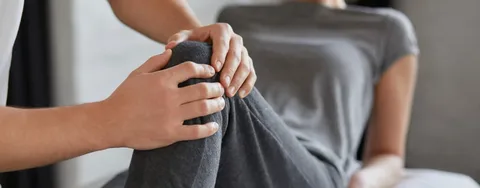
Pain is one of the most debilitating experiences a person can endure. It disrupts sleep, limits movement, and reduces quality of life. Many people assume surgery or medication is the only path forward. This assumption leads to unnecessary risk and long-term dependency. Effective, lasting pain relief is achievable through non-invasive, natural approaches.
Conventional medicine often defaults to pharmaceutical intervention for pain. Opioids, muscle relaxants, and anti-inflammatories are commonly prescribed. These medications provide temporary relief but carry significant long-term risks. Dependency, tolerance, and systemic side effects are well-documented concerns. Many patients find themselves on escalating doses with diminishing results.
Surgery is another common recommendation for persistent pain conditions. However, surgical procedures carry serious risks including infection and nerve damage. Recovery periods are often prolonged and outcomes are not guaranteed. Many surgeries for back and neck pain have poor long-term success rates. Exploring conservative care before surgery is both wise and strongly supported by research.
Public awareness of pharmaceutical risks has grown considerably. Patients are increasingly seeking alternatives that address root causes directly. Natural approaches like manual therapy, exercise, and lifestyle modification are now mainstream. Clinical guidelines from major medical organizations support them as first-line interventions. The evidence base for these natural approaches continues to expand and strengthen.
Most chronic pain has a structural or neurological root cause. Spinal misalignments, joint restrictions, and soft tissue dysfunction are common culprits. These structural problems compress nerves and irritate surrounding tissues. The compressed nerves generate persistent pain signals that medications cannot resolve. Addressing the structural cause is the only path to genuine, lasting relief.
Vertebral subluxations are spinal misalignments that create localized and referred pain. They occur from poor posture, injury, repetitive stress, or even emotional tension. Once present, subluxations trigger muscle spasm and joint inflammation. The surrounding tissues adapt to the dysfunctional position over time. This adaptation makes the problem progressively more difficult to resolve without care.
Nerve roots exit the spinal cord between each pair of vertebrae. When vertebrae are misaligned, these exit points narrow significantly. Narrowed openings compress nerve roots and produce pain, numbness, or tingling. This neurological component of pain is not addressed by medication. Only structural correction removes the source of nerve root compression.
Several evidence-based methods provide effective pain relief without surgery or medication. Manual therapy is among the most well-researched and clinically supported. It involves skilled hands-on techniques applied to the spine and soft tissues. These techniques restore joint alignment and reduce nerve irritation directly. Results are often felt within the first few sessions of care.
Therapeutic exercise is another powerful non-pharmaceutical pain relief strategy. Core strengthening reduces mechanical stress on the lumbar spine and discs. Stretching programs restore flexibility and reduce muscle-generated pain effectively. Aerobic exercise stimulates endorphin release, which naturally modulates pain perception. A tailored exercise program is a cornerstone of sustainable, drug-free pain management.
Soft tissue dysfunction is present in nearly all chronic pain conditions. Tight muscles, fascial adhesions, and trigger points generate and perpetuate pain. Manual soft tissue therapy addresses all of these contributors directly. Myofascial release restores tissue extensibility and reduces pain-generating tension. Trigger point therapy deactivates painful nodules that refer pain to distant body regions.
Lifestyle factors play a powerful and often underestimated role in pain. Sleep deprivation lowers pain tolerance and amplifies perception of discomfort. Poor nutrition promotes systemic inflammation that worsens musculoskeletal conditions. Chronic stress elevates cortisol, a hormone that increases pain sensitivity significantly. Addressing these lifestyle factors enhances and sustains the benefits of manual care.
Patients who engage in regular, guided chiropractic treatment consistently report meaningful, lasting pain reduction. This approach corrects the structural causes that passive interventions cannot reach. It also empowers patients through education and lifestyle guidance. Understanding why pain occurs helps patients make better daily decisions. This combination of manual care and patient education produces the most durable outcomes.
Work and home ergonomics play a significant role in pain development. Poorly designed workstations contribute to postural dysfunction and disc compression. Chiropractors assess and advise on ergonomic setup for daily environments. Simple adjustments to desk height, monitor position, and chair support matter enormously. These changes reduce the daily accumulation of mechanical stress on the spine.
Education is one of the most powerful and accessible pain relief tools. Understanding pain mechanisms reduces fear and catastrophizing significantly. Patients who understand their condition manage it more effectively. They recognize early warning signs and take appropriate preventive action. This self-awareness is fostered through ongoing interaction with skilled practitioners.
Pain education also improves compliance with home exercise programs. Patients who understand why an exercise helps are more likely to perform it. Consistent home exercise reinforces the gains made during clinical sessions. It prevents the gradual return of dysfunction between appointments. Educated, engaged patients consistently achieve better long-term outcomes than passive ones.
The best time to seek non-invasive pain relief is before pain becomes severe. Early intervention consistently produces faster and more complete outcomes. Structural dysfunction develops silently before pain becomes noticeable to the patient. By the time significant pain appears, the problem has often been developing for months. Proactive assessment and care catches these issues at their most correctable stage.
Any persistent discomfort lasting more than two weeks deserves professional evaluation. Radiating pain, numbness, or weakness requires prompt attention from a qualified practitioner. These neurological symptoms indicate nerve involvement that needs skilled assessment. Most non-invasive practitioners will refer promptly when findings exceed their scope. Patients can trust that responsible practitioners prioritize their safety above all else.
The long-term benefits of choosing non-invasive care extend far beyond pain relief. Spinal and joint health are maintained as a direct result of regular care. The nervous system functions more efficiently when structural dysfunction is resolved. Energy levels, sleep quality, and mood all improve alongside pain reduction. Patients discover that pain relief was only the beginning of a broader health transformation.
Non-invasive care also preserves future options. Choosing surgery prematurely can eliminate the possibility of natural recovery. Conservative care allows the body to heal while structural support is provided. Many patients who would have needed surgery recover completely through conservative care. Protecting these future options is one of the most compelling reasons to start naturally.
Effective pain relief does not require surgery or reliance on medication. Natural, evidence-based approaches address the structural and neurological roots of pain. Manual therapy, exercise, lifestyle modification, and patient education work together powerfully. The results are both immediate and durable for the vast majority of patients. Begin your natural pain relief journey today and reclaim a comfortable, active life.